
Medical Disclaimer
The information on this website is for educational purposes only and is not a substitute for professional medical advice, diagnosis, or treatment. Always consult a qualified healthcare provider before starting any hormone therapy. Individual results may vary. TRTmatch does not provide medical services or prescribe medications.
Key Takeaways
- Testosterone levels decline with age, and by their 60s, roughly 20–30% of men have clinically low levels that may warrant medical treatment.
- Clinical trials including the Testosterone Trials (TTrials) and the TRAVERSE study demonstrate that TRT can improve muscle mass, bone density, sexual function, mood, and energy in older men with confirmed hypogonadism.
- Common considerations such as elevated hematocrit, prostate health, and cardiovascular status are well-understood and manageable with proper screening and regular monitoring by a qualified provider.
- Multiple delivery options — injections, gels, pellets, and oral testosterone — allow treatment to be individualized to each man's lifestyle, health history, and preferences.
- Full TRT benefits typically emerge over 3–6 months; consistent monitoring every 3–6 months is standard practice to ensure safety and effectiveness.
- The best outcomes come from combining TRT with healthy lifestyle habits including resistance training, quality sleep, and balanced nutrition.
Disclaimer: This article is for educational purposes only and does not constitute medical advice. Always consult a qualified healthcare provider before starting or changing any hormone therapy.
TRT For Men Over 60 is an important topic for men considering testosterone therapy.
If you're a man in your 60s feeling drained, mentally foggy, struggling to maintain muscle, or noticing a significant drop in drive and motivation, you're not alone — and you're not imagining it. Testosterone levels decline by roughly 1–2% per year after age 30, meaning that by the time many men reach their 60s, their testosterone may be a fraction of what it once was. For men who meet clinical criteria for hypogonadism, TRT for men over 60 is a well-established, FDA-recognized medical treatment that can meaningfully restore quality of life. This guide walks you through the benefits, considerations, and what you can realistically expect.
Not sure whether your symptoms point to low testosterone? Take the free Low T symptom quiz to get a clearer picture before your first appointment.
Why Testosterone Levels Matter More After 60
Testosterone is far more than a sex hormone. It plays a central role in maintaining muscle mass, bone density, red blood cell production, cognitive function, mood regulation, and metabolic health. As levels fall with age, the downstream effects touch nearly every system in the body.
By age 60, studies suggest that approximately 20–30% of men have testosterone levels below the clinical threshold for hypogonadism (generally defined as total testosterone below 300 ng/dL, though optimal ranges vary by lab and symptom picture). Many more fall into the low-normal range where symptoms are present but levels sit just above the cutoff — a zone where individualized clinical judgment matters enormously.
Common signs of low testosterone in older men include:
- Persistent fatigue and low energy despite adequate sleep
- Loss of muscle mass and increased body fat, especially around the abdomen
- Reduced libido and changes in sexual function
- Low mood, irritability, or lack of motivation
- Difficulty concentrating or increased brain fog
- Decreased bone density, raising fracture risk
- Poor sleep quality or disrupted sleep patterns
It's worth noting that some of these symptoms overlap with other age-related conditions — thyroid disorders, sleep apnea, depression, and cardiovascular changes can all produce similar complaints. That's why thorough blood work and evaluation before starting any therapy is essential. A good provider won't just look at one number; they'll review your full hormonal panel, health history, and symptom profile before recommending treatment. If you recognize several of these signs, exploring the signs of low testosterone in more depth is a great starting point.
The Real Benefits of TRT for Men Over 60
When testosterone therapy is appropriately prescribed and monitored, the benefits for older men can be substantial. The landmark Testosterone Trials (TTrials) — a coordinated set of seven placebo-controlled studies conducted across multiple U.S. sites — provided some of the most robust evidence to date on TRT in men 65 and older with confirmed low testosterone.
Key findings from the TTrials and subsequent research include:
Improved Physical Function and Body Composition
Men on testosterone therapy showed significant improvements in lean muscle mass and reductions in fat mass compared to placebo. Walking distance and self-reported physical function also improved. For men in their 60s and beyond who want to stay active, maintain independence, and reduce fall risk, these are meaningful outcomes. TRT and muscle growth go hand in hand when combined with appropriate resistance training.
Enhanced Sexual Health and Libido
The sexual function trial within the TTrials demonstrated that testosterone therapy significantly improved sexual desire, activity, and erectile function in older men with low baseline levels. For men experiencing reduced libido or erectile difficulties, restoring testosterone to a healthy physiological range often makes a noticeable difference.
Mood and Cognitive Benefits
Several TTrials sub-studies found improvements in depressive symptoms and overall mood in men receiving testosterone. Research also suggests potential cognitive benefits, particularly for memory and processing speed, though more long-term data is still emerging. If mood changes are a concern for you, read more about TRT and depression.
Bone Density
The bone trial within the TTrials found that testosterone therapy significantly increased bone mineral density in the spine and hip — a particularly important benefit for men over 60, where osteoporosis and fracture risk are genuine health concerns. Low testosterone and bone loss are closely linked, and TRT offers a targeted way to address this.
Metabolic and Energy Improvements
Many men on TRT report improved energy levels, better sleep quality, and easier weight management. Research supports a relationship between testosterone and insulin sensitivity, meaning that optimizing hormone levels may also support metabolic health. Curious about TRT and weight loss? The connection is real and well-documented.
Understanding the Risks: Context Is Everything
Like any medical treatment, TRT involves considerations that your provider will evaluate carefully. It's important to understand these in context — most are manageable with proper screening and monitoring, and many apply only to men with specific pre-existing conditions.
Cardiovascular Health
Earlier concerns about cardiovascular risk from TRT have been substantially revised by recent evidence. The landmark TRAVERSE trial, published in 2023, found that testosterone therapy in men with hypogonadism and elevated cardiovascular risk did not increase the risk of major cardiovascular events compared to placebo. In fact, some research suggests that optimizing testosterone may support heart health by improving body composition, insulin sensitivity, and energy metabolism. That said, men with uncontrolled heart failure or a recent cardiac event should be carefully evaluated before starting therapy. A qualified provider will assess your cardiovascular baseline and monitor you throughout treatment. Learn more about TRT and heart health.
Prostate Health
Historically, concerns existed about testosterone and prostate cancer risk. Current evidence does not support the idea that TRT causes prostate cancer in men with normal baseline prostate health. TRT is generally contraindicated in men with active or suspected prostate cancer, and a PSA (prostate-specific antigen) test is standard before starting treatment. Men with previously treated, low-risk prostate cancer may be candidates for TRT in some cases, under specialist guidance. Read the full picture on TRT and prostate cancer.
Hematocrit and Red Blood Cell Count
Testosterone stimulates red blood cell production, which can cause hematocrit (the percentage of red blood cells in your blood) to rise. In some men, especially older men or those with certain baseline conditions, elevated hematocrit may require dose adjustment or therapeutic phlebotomy (blood donation). This is a well-understood and manageable aspect of TRT — your provider will monitor it with regular blood work. Learn why hematocrit levels matter on TRT and how they're managed.
Sleep Apnea
TRT may worsen sleep apnea in men who already have the condition. This risk is well understood and manageable — a thorough provider will screen for sleep disorders before starting therapy and adjust the treatment plan accordingly. Men with treated sleep apnea (e.g., using CPAP) can generally still be considered for TRT under appropriate monitoring. For more details, see TRT and sleep apnea.
The key takeaway: virtually all of these considerations become manageable with a qualified, experienced TRT provider who conducts proper screening, individualizes dosing, and monitors your health over time.
TRT for Men Over 60: Delivery Methods and What Works Best
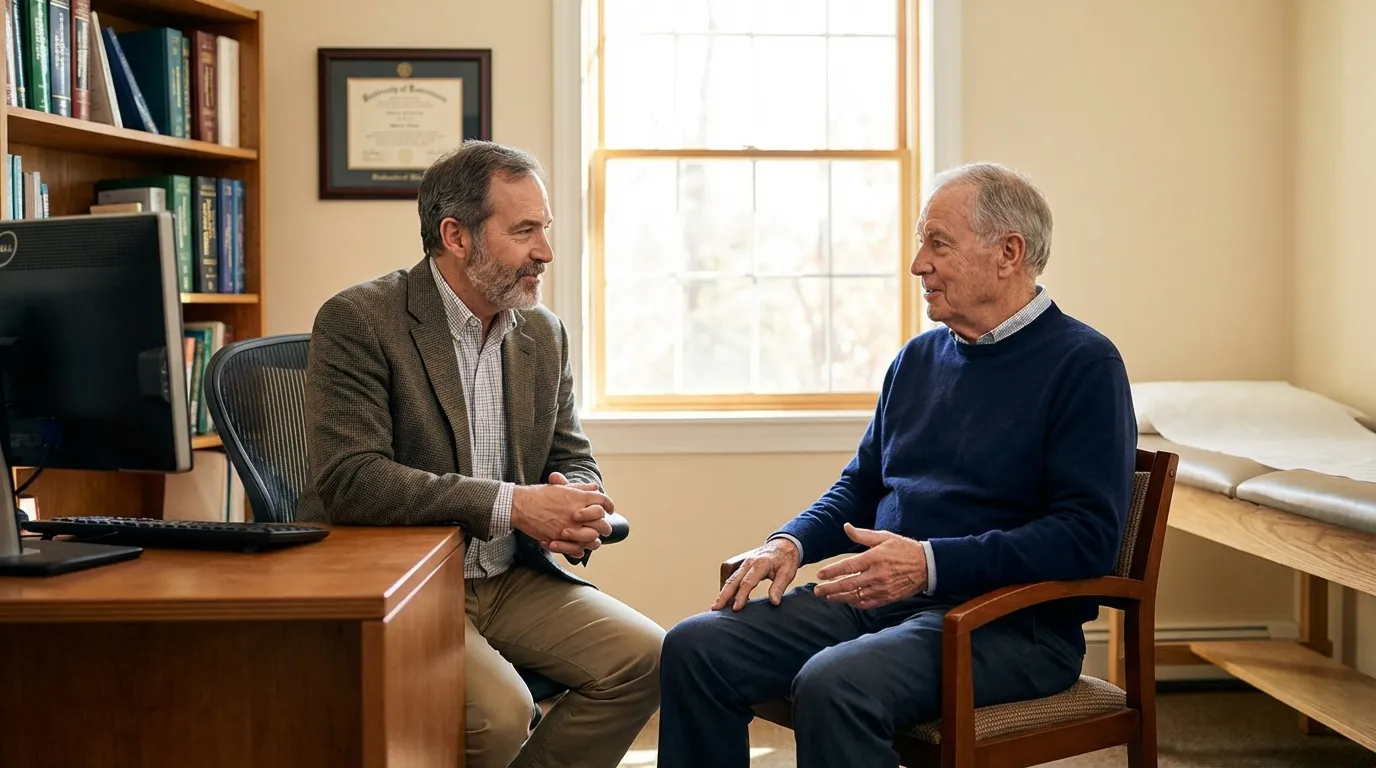
One of the most practical decisions you'll make is which delivery method suits your lifestyle, health goals, and preferences. There's no single best option — your provider will help you choose based on your health history, convenience needs, and how your body responds.
| Method | Frequency | Pros | Considerations |
|---|---|---|---|
| Testosterone Injections | Weekly or bi-weekly | Cost-effective, precise dosing, well-studied | Requires self-injection or clinic visits |
| Testosterone Gels/Creams | Daily | Easy to apply, stable levels | Transfer risk to partners, daily adherence needed |
| Testosterone Pellets | Every 3–6 months | Set-and-forget convenience | Minor in-office procedure, dose not adjustable mid-cycle |
| Oral Testosterone | Twice daily | No injections, newer formulations available | Must be taken with food, regular monitoring needed |
For men over 60, injections and gels remain the most commonly prescribed options due to their long track record and dosing flexibility. Many men prefer injections for cost efficiency and precise level management — you can compare options in this TRT injections vs gel comparison. If convenience is a top priority, pellets may also be worth discussing with your provider. See the full comparison of injections vs pellets to understand each option in detail.
What to Expect: The Timeline of TRT Results
One of the most common questions men have is: how soon will I feel a difference? The honest answer is that TRT is not an overnight fix — it's a gradual, cumulative therapy that unfolds over weeks and months. Setting realistic expectations is key to staying the course and getting the most out of treatment.
Here's a general timeline of what many men experience:
- Weeks 1–3: Some men notice improved mood, better sleep, and slightly more energy. These early effects are encouraging but don't represent the full picture.
- Weeks 4–6: Libido and sexual function often begin to improve. Brain fog may start to lift.
- Months 2–3: More noticeable changes in energy, motivation, and body composition begin to emerge — especially with exercise support.
- Months 4–6: Muscle gains, fat loss, and mood stabilization typically become more pronounced. Bone density improvements take longer (up to 12 months or more).
- 6–12 months: Full benefits of TRT are usually realized. Many men describe this as a sustained new baseline — not a dramatic transformation, but a meaningful return to vitality.
Keep in mind that individual responses vary. Factors like baseline testosterone levels, overall health, lifestyle habits (sleep, diet, exercise), and the delivery method all influence how quickly and fully you respond. For a detailed week-by-week breakdown, see how long TRT takes to work.
Getting Started: Screening, Blood Work, and Finding the Right Provider
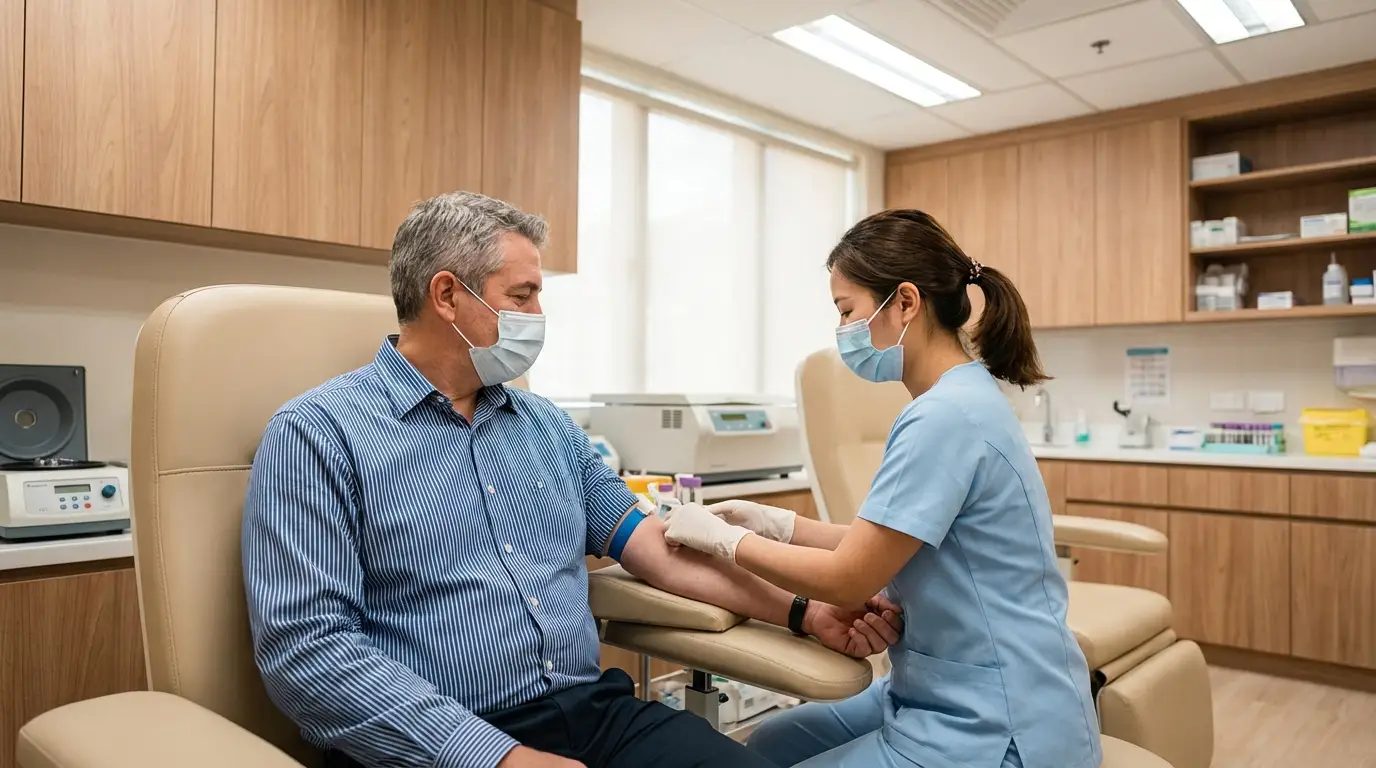
Starting TRT correctly means starting with thorough evaluation. For men over 60, this typically involves a comprehensive panel of blood tests, a health history review, and discussion of symptoms. A responsible provider won't prescribe testosterone based on symptoms alone — diagnosis requires confirmed low levels on at least two separate morning blood draws.
Standard pre-treatment blood work generally includes:
- Total and free testosterone (morning draw)
- LH and FSH (to determine if hypogonadism is primary or secondary)
- PSA (prostate-specific antigen)
- Complete blood count (CBC), including hematocrit
- Comprehensive metabolic panel
- Estradiol (E2)
- SHBG (sex hormone-binding globulin)
- Thyroid panel (to rule out thyroid-related symptoms)
Understanding your free vs total testosterone is particularly important for older men, since SHBG tends to rise with age — meaning your free (bioavailable) testosterone may be even lower than your total number suggests. Learn more about what SHBG means for TRT.
Finding an experienced provider who specializes in hormone therapy makes all the difference. You want someone who treats the whole picture — not just a lab number. Find a TRT clinic near you using our directory, or explore options by state. When you're ready to move forward, knowing what to expect at your first TRT consultation will help you walk in prepared.

Monitoring and Long-Term Management on TRT
TRT is not a one-time prescription and done. It's an ongoing medical relationship. For men over 60, regular monitoring is the cornerstone of safe, effective treatment. Most providers schedule follow-up blood work at 6–12 weeks after starting, then every 3–6 months once levels are stable.
What gets monitored over time typically includes:
- Testosterone levels (to confirm optimal range is maintained)
- Hematocrit and hemoglobin (to watch for polycythemia)
- PSA levels (annual or biannual, depending on age and prostate health history)
- Estradiol levels (elevated estrogen can cause side effects; an estrogen blocker may occasionally be warranted)
- Blood pressure and metabolic markers
Consistent monitoring means that if any value trends in an unwanted direction, your provider can adjust your dose, change your delivery method, or address the concern before it becomes a problem. This proactive approach is what separates well-managed TRT from poorly supervised therapy. The monitoring process is also a natural time to assess whether TRT is meeting your goals and to recalibrate as needed. Want to understand side effects and how they're managed? TRT side effects: what to expect and how to manage them covers the topic thoroughly.
Is TRT for Men Over 60 Right for You?
TRT isn't the right answer for every man over 60 — but for those with confirmed hypogonadism and quality-of-life symptoms, it is a clinically supported, well-monitored treatment with a strong evidence base. The decision should be made collaboratively between you and a knowledgeable provider who understands your full health picture.
Key questions to bring to your provider include:
- Are my testosterone levels clinically low, and do my symptoms align?
- Are there any conditions in my health history that require extra monitoring?
- Which delivery method makes the most sense for my lifestyle?
- What does a realistic outcome look like for someone my age and health status?
Men who combine TRT with healthy lifestyle habits — regular resistance training, quality sleep, balanced nutrition, and stress management — tend to get the best results. TRT works best as part of a broader commitment to health, not as a standalone solution. Explore how TRT compares to lifestyle changes and when therapy adds meaningful value beyond what lifestyle alone can achieve.
If you're ready to explore whether TRT for men over 60 could be right for you, the best next step is a consultation with a qualified specialist. Find a TRT clinic near you and take that first step toward feeling like yourself again. Still in the early stages of researching? Take the free Low T symptom quiz to see whether your symptoms match the profile of low testosterone — it takes just a few minutes and can help guide your next conversation with a provider.
Sources & References
- Testosterone Trials (TTrials): Effects of Testosterone Treatment in Older Men — New England Journal of Medicine / PubMed [Link]
- TRAVERSE Trial: Testosterone Replacement Therapy and Cardiovascular Safety — New England Journal of Medicine / PubMed [Link]
- Testosterone Therapy in Men With Hypogonadism: An Endocrine Society Clinical Practice Guideline — Journal of Clinical Endocrinology & Metabolism / Endocrine Society [Link]
- Testosterone and Aging: Clinical Research Directions — JAMA / PubMed [Link]
- Testosterone Deficiency — Mayo Clinic Overview — Mayo Clinic [Link]
- Low Testosterone (Male Hypogonadism) — Cleveland Clinic [Link]
- Bone Mineral Density in Men Receiving Testosterone Treatment — JAMA Internal Medicine / PubMed [Link]
Frequently Asked Questions
Ready to Take the Next Step?
Check your symptoms with our free quiz or browse 2,500+ verified TRT clinics.