Medical Disclaimer
The information on this website is for educational purposes only and is not a substitute for professional medical advice, diagnosis, or treatment. Always consult a qualified healthcare provider before starting any hormone therapy. Individual results may vary. TRTmatch does not provide medical services or prescribe medications.
Key Takeaways
- The landmark 2023 TRAVERSE trial — the largest randomized controlled trial on TRT — found no significant increase in major adverse cardiovascular events (MACE) in men on testosterone therapy compared to placebo.
- Low testosterone itself is associated with increased cardiovascular risk factors including visceral fat, insulin resistance, and inflammation — making untreated hypogonadism a health concern in its own right.
- Specific cardiovascular considerations on TRT, such as elevated hematocrit, fluid retention, and atrial fibrillation risk, are well-understood and manageable with routine monitoring by a qualified provider.
- TRT may provide cardiovascular benefits in hypogonadal men, including improved body composition, better insulin sensitivity, reduced inflammation, and enhanced exercise capacity.
- Consistent blood work every 3–6 months — monitoring hematocrit, estradiol, lipids, and blood pressure — is the cornerstone of cardiovascular safety on TRT.
- Men with pre-existing cardiovascular conditions should discuss TRT with both their cardiologist and a hormone specialist, but a cardiac history does not automatically disqualify someone from therapy.
TRT and Heart Health: What the Research Really Says
If you've been researching testosterone replacement therapy, you've probably come across conflicting headlines — some suggesting TRT protects the heart, others raising concerns. The truth, as is often the case in medicine, is more nuanced than either extreme. Understanding the relationship between TRT and heart health is essential for any man considering therapy, and the good news is that modern research, when read carefully, paints a largely reassuring picture for men who are properly screened and monitored.
Disclaimer: This article is for educational purposes only and does not constitute medical advice. Always consult a qualified healthcare provider before starting or adjusting any hormone therapy.
Low testosterone itself is associated with a range of cardiovascular risk factors — including increased body fat, insulin resistance, and metabolic syndrome. So the question isn't simply whether TRT carries risk, but how that risk compares to the risks of leaving low testosterone untreated. If you're experiencing symptoms like fatigue, weight gain, or reduced drive, take the free Low T symptom quiz to get a clearer picture of where you stand.

Why the Cardiovascular Debate Started
The concern about TRT and cardiovascular risk traces back primarily to two studies published in 2010 and 2013. The 2010 Testosterone in Older Men with Mobility Limitations (TOM) trial was halted early after participants on testosterone showed a higher rate of cardiovascular events. Then in 2013, a retrospective study in JAMA suggested increased risk among men who received TRT following coronary angiography.
These findings generated significant headlines and prompted the FDA to add a warning label to testosterone products in 2015 — not an outright contraindication, but a caution. However, both studies drew substantial methodological criticism. The TOM trial enrolled older, frail men with pre-existing cardiovascular disease, making it difficult to generalize findings to the broader population of men seeking TRT. The JAMA study had notable data integrity issues that were later scrutinized in the medical community.
Since then, a much larger and more rigorous body of evidence has emerged. A landmark 2023 study — the TRAVERSE trial, a randomized controlled trial of over 5,200 men — found that TRT did not increase the risk of major adverse cardiovascular events (MACE) compared to placebo in men with hypogonadism and pre-existing cardiovascular disease or risk factors. This is the most definitive cardiovascular safety data available to date, and it represents a major turning point in how physicians approach this question.
The takeaway: early concerns were based on limited, often flawed data. The current evidence base — particularly for men with properly diagnosed hypogonadism who are monitored by qualified providers — is considerably more reassuring.
How Low Testosterone Affects the Heart
To fully understand TRT and heart health, you have to appreciate what low testosterone does to the cardiovascular system on its own. Hypogonadism doesn't just affect libido and energy — it has measurable downstream effects on metabolic and cardiac health.
Men with clinically low testosterone tend to have higher rates of:
- Visceral (abdominal) fat — a well-established independent risk factor for cardiovascular disease
- Insulin resistance and type 2 diabetes — both closely linked to heart disease risk
- Dyslipidemia — including lower HDL ("good") cholesterol and higher triglycerides
- Inflammation — elevated inflammatory markers like C-reactive protein (CRP) are common in hypogonadal men
- Endothelial dysfunction — impaired blood vessel function that precedes atherosclerosis
A meta-analysis published in the European Heart Journal found that men with low testosterone had significantly higher all-cause mortality and cardiovascular mortality compared to men with normal levels. This doesn't mean low testosterone directly causes heart disease, but it does suggest that the hormonal environment matters for long-term cardiac health.
Correcting low testosterone with TRT — when done properly — has been shown in multiple studies to reduce visceral fat, improve insulin sensitivity, and support healthier lipid profiles. For more on how testosterone affects body composition, see our article on TRT and Weight Loss: Can It Help You Burn Fat?
What the TRAVERSE Trial Changed
The TRAVERSE (Testosterone Replacement Therapy for Assessment of Long-term Vascular Events and Efficacy ResponSE) trial, published in the New England Journal of Medicine in 2023, is now the gold standard for understanding TRT and heart health in clinical practice. It enrolled 5,246 men aged 45 to 80 with confirmed hypogonadism and either existing cardiovascular disease or elevated cardiovascular risk, randomized to either daily testosterone gel or placebo.
After a median follow-up of 33 months, the trial found:
- No significant difference in MACE (major adverse cardiovascular events including heart attack, stroke, or cardiovascular death) between the TRT and placebo groups
- TRT was non-inferior to placebo for cardiovascular outcomes
- Men on TRT reported improvements in sexual function, energy, and mood
Importantly, the TRAVERSE trial did find that TRT was associated with a modestly higher rate of atrial fibrillation, pulmonary embolism, and acute kidney injury — effects that underscore the importance of individual screening and monitoring rather than a blanket dismissal of therapy.
What this trial means in practice: for the typical man seeking TRT for symptomatic hypogonadism, the cardiovascular risk profile is manageable and well within the scope of what a qualified TRT provider can monitor and address. This is not a therapy to avoid — it's a therapy to pursue thoughtfully, with the right clinical support.

Understanding Specific Cardiovascular Considerations on TRT
Hematocrit and Red Blood Cell Elevation
One of the most well-documented physiological effects of TRT is an increase in red blood cell production — a process called erythrocytosis. Testosterone stimulates erythropoiesis, which increases hematocrit (the percentage of red blood cells in your blood). When hematocrit rises too high, blood viscosity increases, which in some men may raise the risk of clotting events.
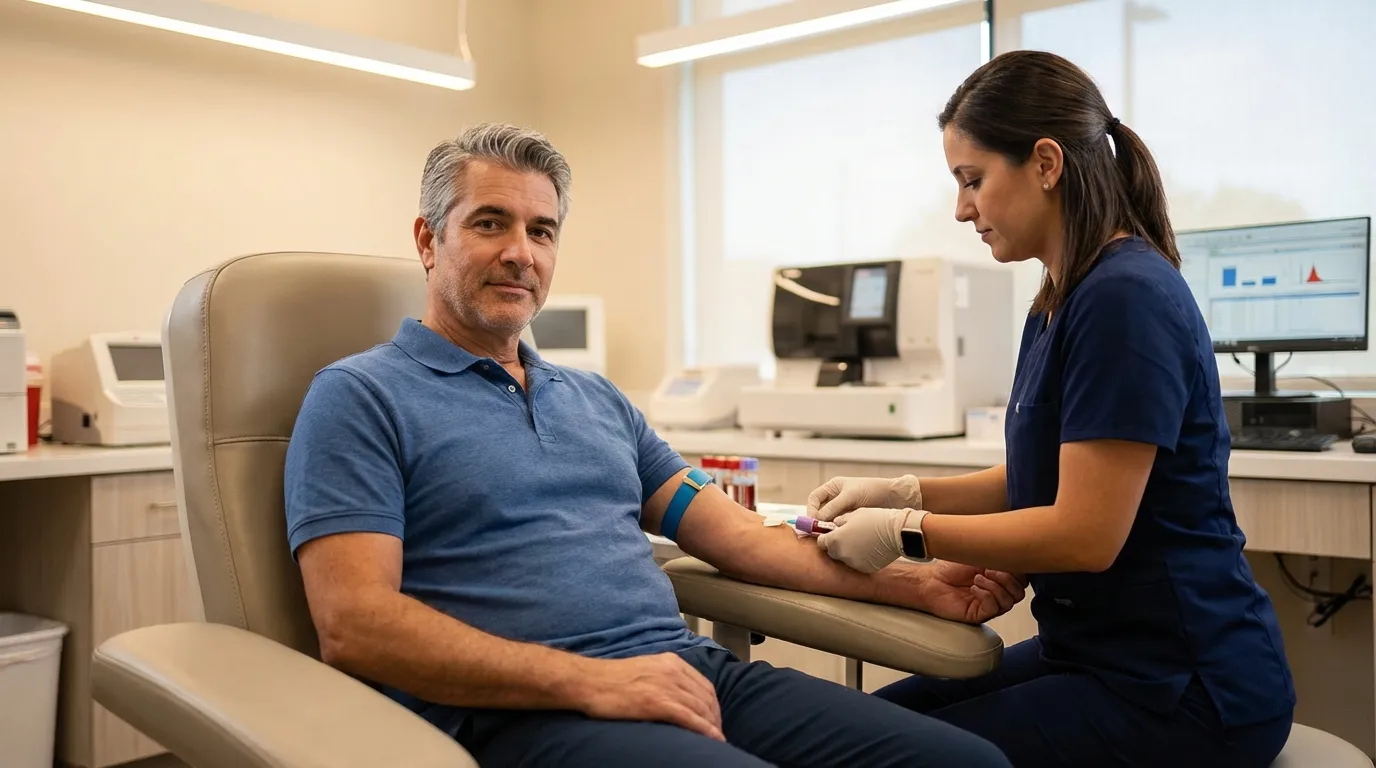
This is a real consideration, but it is also one of the most straightforward to manage. Routine blood testing every 3 to 6 months allows providers to catch hematocrit elevation early and adjust dosing or recommend therapeutic phlebotomy (blood donation) accordingly. For a deep dive into this topic, read our guide on Hematocrit and TRT: Why Your Levels Matter. With proper monitoring, this is a well-controlled variable — not a reason to avoid therapy.
Blood Pressure and Fluid Retention
Some men on TRT notice mild increases in blood pressure or temporary water retention, particularly in the early weeks of therapy. This is often related to estrogen conversion, as testosterone aromatizes to estradiol, which can cause sodium and water retention in some individuals. For men with well-controlled hypertension, this is generally manageable with dose adjustments and, in some cases, an aromatase inhibitor. Learn more about this in our article on TRT Water Retention: Why It Happens and How to Fix It.
Atrial Fibrillation
The TRAVERSE trial noted a modestly elevated rate of atrial fibrillation (AFib) in the TRT group. Men with a history of AFib or significant cardiac arrhythmias should discuss this specifically with their cardiologist and TRT provider before starting therapy. In men without a cardiac history, the absolute risk increase is small and must be weighed against the benefits of treating symptomatic hypogonadism. A qualified provider will take a full cardiac history before prescribing.
Sleep Apnea and TRT
TRT may worsen obstructive sleep apnea in some men, which in turn places added strain on the cardiovascular system. This risk is well-understood and manageable — a qualified TRT provider will screen for sleep disorders before starting therapy and adjust the treatment plan as needed. Men with untreated moderate-to-severe sleep apnea should have that addressed before or alongside starting TRT. For more on this connection, see our article on TRT and Sleep: Does Testosterone Improve Sleep?
Who Is a Good Candidate for TRT Despite Cardiovascular Risk Factors?
The presence of cardiovascular risk factors does not automatically disqualify a man from TRT. In fact, the TRAVERSE trial specifically enrolled men with cardiovascular disease or elevated risk — and still found non-inferiority for MACE outcomes. The key is appropriate patient selection and ongoing monitoring.
Men who tend to be strong candidates for TRT, even with some cardiovascular considerations, include those with:
- Confirmed hypogonadism (total testosterone consistently below 300 ng/dL with symptoms)
- Well-controlled hypertension or dyslipidemia
- Type 2 diabetes with moderate cardiovascular risk
- Obesity with metabolic syndrome — as TRT may actually help improve these markers over time
Men who warrant extra caution and more detailed cardiovascular evaluation before starting TRT include those with:
- Recent myocardial infarction (heart attack) within the past 6 months
- Severe or uncontrolled heart failure
- History of thromboembolic events (deep vein thrombosis or pulmonary embolism)
- Untreated or poorly controlled sleep apnea
This is not a black-and-white picture — it's a clinical conversation. If you're unsure where you fall, the right next step is speaking with a provider who specializes in hormone therapy and has experience evaluating cardiovascular considerations. You can find a TRT clinic near you through our directory. For men in specific regions, you might also explore options like TRT clinics in Texas or TRT clinics in Florida.

The Role of Monitoring in Keeping TRT Cardiovascularly Safe
Perhaps the single most important factor in maintaining heart safety on TRT isn't which form of testosterone you use or even your starting testosterone level — it's consistent, structured monitoring. Cardiovascular safety on TRT is largely a function of how well your therapy is supervised.
A responsible TRT protocol includes blood work every 3 to 6 months to assess:
| Biomarker | Why It Matters for Heart Health | Target Range |
|---|---|---|
| Hematocrit | Elevated levels increase blood viscosity and clot risk | Below 54% |
| Total and free testosterone | Ensures therapeutic levels without supraphysiologic excess | 400–700 ng/dL typical |
| Estradiol (E2) | High estradiol can contribute to fluid retention and blood pressure changes | 20–40 pg/mL typical |
| Lipid panel | TRT can modestly affect HDL cholesterol in some men | Within normal clinical range |
| Blood pressure | Monitored for changes due to fluid retention or red cell increase | Below 130/80 mmHg |
| PSA (prostate-specific antigen) | Baseline and ongoing prostate health screening | Age-appropriate ranges |
Understanding what blood work you need before and during TRT is foundational to a safe experience. Our comprehensive guide on TRT Blood Work: Which Tests You Need Before and During Treatment covers this in detail. You should also read about Is TRT Safe? Heart, Prostate and Long-Term Health Risks Explained for the full picture of long-term safety considerations.
Potential Cardiovascular Benefits of TRT
While much of the public conversation around TRT and heart health focuses on risks, the positive side of the ledger deserves equal attention. A growing body of evidence suggests that restoring testosterone to normal physiological levels may support cardiovascular health in several ways:
Improved body composition: TRT consistently reduces visceral fat and increases lean muscle mass in hypogonadal men. Since visceral fat is a major driver of metabolic syndrome and cardiovascular disease, this is a meaningful benefit. Studies have shown reductions in waist circumference and body fat percentage within 6 to 12 months of therapy.
Better insulin sensitivity: Multiple trials have shown that TRT improves insulin sensitivity and reduces HbA1c in men with type 2 diabetes or pre-diabetes. Improved glucose metabolism directly reduces long-term cardiovascular risk.
Favorable effects on inflammation: Some studies have found reductions in inflammatory markers like C-reactive protein (CRP) and interleukin-6 in men on TRT. Chronic low-grade inflammation is a significant contributor to atherosclerosis and heart disease. For more on this, see our article on TRT and Inflammation: Can Testosterone Help?
Exercise capacity and cardiac output: Men on TRT often report significant improvements in energy, exercise tolerance, and strength — all of which support cardiovascular fitness. A man who can now exercise consistently because his energy has been restored is accruing long-term heart health benefits that extend well beyond the hormonal effects of therapy alone.
Mood and mental health: Depression and anxiety are linked to worse cardiovascular outcomes. TRT has been shown to improve mood in hypogonadal men, which may contribute indirectly to better heart health behaviors and outcomes. Learn more at TRT and Depression: Can Testosterone Improve Your Mood?
Taking the Next Step with TRT and Heart Health in Mind
The evidence on TRT and heart health has matured considerably in recent years. What was once a field dominated by fear and uncertainty is now guided by robust clinical trial data, most notably the TRAVERSE trial. The current consensus among endocrinologists and urologists is clear: TRT, when prescribed appropriately to men with confirmed hypogonadism, does not significantly increase cardiovascular risk and may provide meaningful metabolic and cardiac benefits.
The key word is appropriately. This means proper diagnosis with blood work, thorough pre-treatment cardiovascular screening, individualized dosing, and consistent follow-up monitoring. TRT is not a one-size-fits-all prescription — it's a personalized medical therapy that deserves the same structured oversight as any other chronic condition management.
If you're experiencing symptoms of low testosterone — fatigue, weight gain, reduced drive, low mood — don't let outdated headlines keep you from exploring a therapy that may significantly improve your quality of life. The first step is understanding your baseline. Take the free Low T symptom quiz to evaluate your symptoms, and then connect with a qualified provider through our clinic directory. You can find a TRT clinic near you staffed by physicians who understand both the benefits and the nuances of managing TRT and heart health together.
Concerned about other aspects of TRT? Explore our guides on TRT Side Effects: What to Expect and How to Manage Them and Your First TRT Consultation: What to Expect to go into your first appointment fully informed and confident.
Sources & References
- Cardiovascular Safety of Testosterone-Replacement Therapy (TRAVERSE Trial) — New England Journal of Medicine [Link]
- Testosterone Therapy in Men with Hypogonadism: An Endocrine Society Clinical Practice Guideline — Journal of Clinical Endocrinology & Metabolism [Link]
- Testosterone and Cardiovascular Disease: An Old Idea with Modern Clinical Implications — PubMed / American Heart Journal [Link]
- Low Testosterone and Risk of Cardiovascular Events and Mortality in Men — European Heart Journal [Link]
- FDA Drug Safety Communication: FDA cautions about using testosterone products for low testosterone due to aging — U.S. Food and Drug Administration [Link]
- Testosterone Replacement Therapy and Cardiovascular Risk — Mayo Clinic [Link]
- Effect of Testosterone Therapy on Cardiovascular and Metabolic Risk Factors — PubMed / Atherosclerosis [Link]
Frequently Asked Questions
Ready to Take the Next Step?
Check your symptoms with our free quiz or browse 2,500+ verified TRT clinics.