
Medical Disclaimer
The information on this website is for educational purposes only and is not a substitute for professional medical advice, diagnosis, or treatment. Always consult a qualified healthcare provider before starting any hormone therapy. Individual results may vary. TRTmatch does not provide medical services or prescribe medications.
Key Takeaways
- Low testosterone and poor sleep create a bidirectional feedback loop — each condition worsens the other, making it difficult to improve without addressing the hormonal root cause.
- TRT can improve sleep quality in men with clinically confirmed low testosterone by restoring hormonal balance and supporting healthier sleep architecture, including more time in deep, restorative slow-wave sleep.
- Sleep apnea is an important consideration before starting TRT — a qualified provider will always screen for it and can safely manage both conditions simultaneously.
- The delivery method and dosing schedule of TRT (injections vs. gels, weekly vs. twice-weekly) can affect hormone fluctuations and sleep quality, and should be tailored to the individual.
- Most men with low T see gradual improvements in sleep, energy, and mood within 4 to 12 weeks of starting TRT, especially when combined with good sleep hygiene and lifestyle habits.
- Getting properly evaluated by a qualified TRT provider — including comprehensive blood work and a full symptom review — is the essential first step before starting any hormone therapy.
If you've been waking up exhausted no matter how many hours you spend in bed, low testosterone could be part of the reason. The relationship between trt and sleep is one of the most frequently asked questions men have when they start exploring hormone therapy — and for good reason. Sleep disruption is one of the most common and most debilitating symptoms of low testosterone, yet it's often overlooked in favor of more widely discussed issues like low libido or muscle loss.
Disclaimer: This article is intended for educational purposes only and does not constitute medical advice. Always consult a qualified healthcare provider before starting, stopping, or changing any medical treatment.
In this guide, we'll break down exactly what the science says about testosterone and sleep, how TRT may improve sleep quality in men with clinically low levels, and what you need to know before starting treatment. If you're unsure whether low T is affecting your sleep, take the free Low T symptom quiz to get a clearer picture.

How Low Testosterone Affects Sleep Quality
Testosterone doesn't just influence muscle mass and sex drive — it plays a meaningful role in regulating your sleep-wake cycle. Men with clinically low testosterone frequently report difficulty falling asleep, frequent nighttime awakenings, and an inability to reach the deep, restorative stages of sleep known as slow-wave sleep (SWS). This is the phase where your body does its most important repair work: tissue regeneration, immune function, and memory consolidation all happen here.
Research published in the Journal of Clinical Endocrinology and Metabolism has shown that testosterone levels follow a circadian rhythm, peaking during sleep — particularly during REM cycles — and declining throughout the day. When testosterone is chronically low, this rhythm can become disrupted, creating a feedback loop where poor sleep further suppresses testosterone production, and low testosterone further degrades sleep quality.
Common sleep-related symptoms in men with low testosterone include:
- Difficulty falling or staying asleep (insomnia)
- Waking up feeling unrefreshed despite adequate sleep hours
- Increased daytime fatigue and brain fog
- Mood disturbances, including irritability and low motivation
- Reduced REM sleep duration
It's worth noting that many of these symptoms overlap with other conditions, including depression, thyroid dysfunction, and sleep apnea. That's why proper testing is essential before attributing sleep problems to low T alone. You can learn more about the full range of symptoms in our guide to Low Testosterone Symptoms: 10 Signs of Low Testosterone in Men.
The Science Behind TRT and Sleep Improvement
So does TRT actually help with sleep? The short answer is: yes, in many men with clinically confirmed low testosterone, TRT can meaningfully improve sleep quality. But the picture is nuanced, and outcomes depend on the individual, the severity of hormone deficiency, and the presence of any underlying conditions.
A study published in JAMA Internal Medicine found that men receiving testosterone therapy reported significant improvements in energy, mood, and overall vitality — all of which correlate strongly with better sleep. Separately, research from the Endocrine Society has highlighted that restoring testosterone to healthy physiological ranges supports the natural circadian rhythm of hormone secretion, which can stabilize sleep architecture over time.
Specifically, studies have shown that TRT may help men:
- Fall asleep faster and stay asleep longer
- Spend more time in slow-wave (deep) sleep
- Experience fewer nighttime awakenings
- Reduce daytime sleepiness and fatigue
- Improve mood stability, which supports healthier sleep patterns
It's important to understand that TRT is not a sedative or a sleep medication. Its effects on sleep are indirect — by correcting the hormonal deficiency that was disrupting sleep in the first place, the body is better able to regulate its own natural sleep processes. Results are typically gradual, with most men noticing improvements in energy and sleep quality within 4 to 12 weeks of starting treatment. For a realistic timeline, see our article on How Long Does TRT Take to Work?
What the Research Says About TRT and Sleep Architecture
Sleep architecture refers to the structure and pattern of your sleep cycles throughout the night. Healthy sleep moves through light sleep, deep sleep (slow-wave), and REM sleep in predictable cycles. Men with low testosterone often show disrupted architecture, spending too little time in the most restorative stages. Multiple small-scale studies have found that testosterone optimization is associated with longer slow-wave sleep duration and improved REM sleep continuity — two markers that are closely tied to how refreshed you feel in the morning.
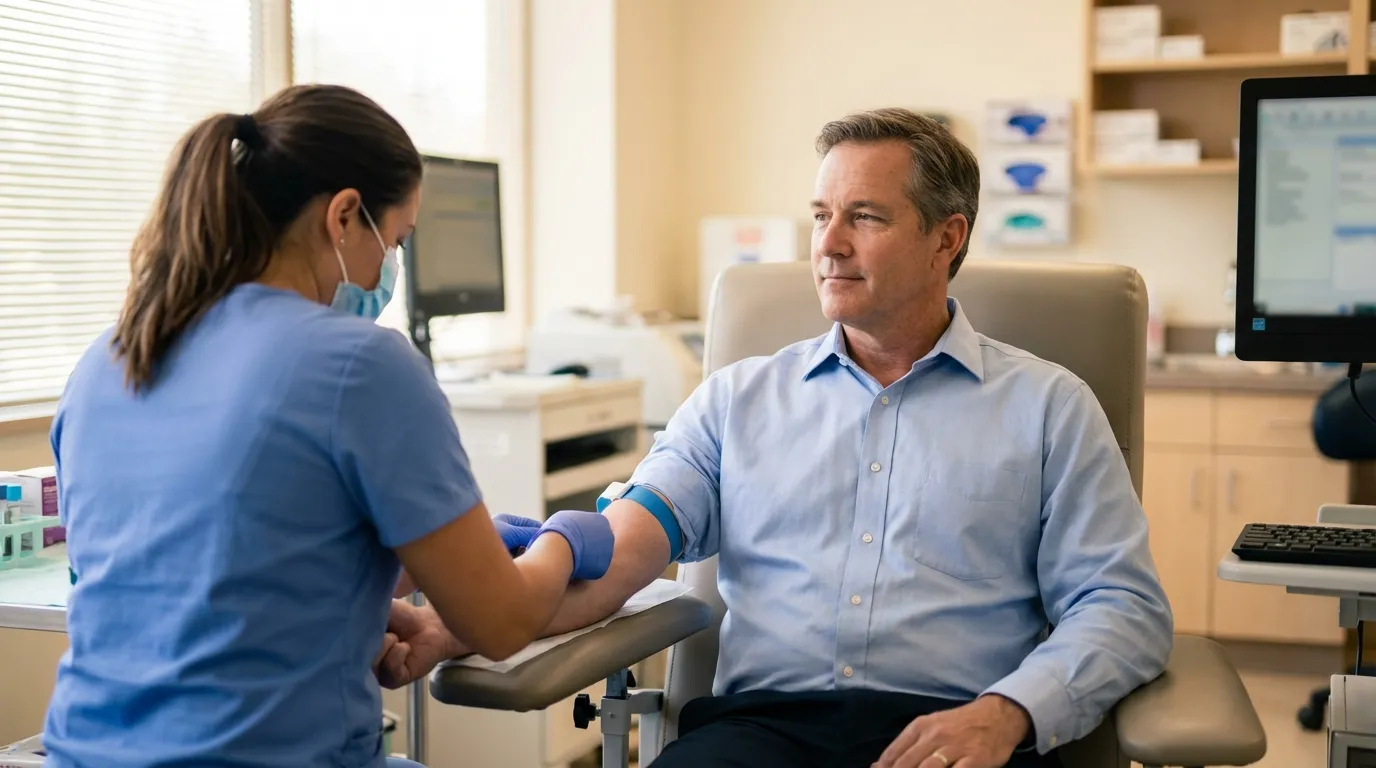
TRT and Sleep Apnea: What You Need to Know
One of the most important considerations when exploring trt and sleep is the connection between testosterone therapy and sleep apnea. Obstructive sleep apnea (OSA) is a condition where the airway partially or fully collapses during sleep, causing repeated breathing interruptions that fragment sleep and reduce oxygen levels. It is also one of the most common causes of low testosterone in men — yet it can be worsened in some cases by TRT if left unaddressed.
Here's the key context: testosterone can stimulate red blood cell production and, in some men, may affect the tone of upper airway muscles. For men who already have moderate to severe untreated sleep apnea, starting TRT without addressing the underlying condition first could potentially intensify breathing disruptions during sleep. However, this risk is well-understood by experienced TRT providers and is entirely manageable with appropriate screening.
A qualified TRT clinic will always ask about sleep apnea symptoms — including snoring, witnessed breathing pauses, and excessive daytime sleepiness — before initiating treatment. Many will recommend a sleep study if these symptoms are present. For men who are already using CPAP therapy for sleep apnea, TRT is frequently both safe and highly beneficial, as treating the sleep disorder alongside the hormonal deficiency often produces significant improvements in energy, mood, and body composition.
The takeaway: sleep apnea and TRT can coexist safely under proper medical supervision. The right provider won't skip this step — they'll screen you thoroughly and create a treatment plan that addresses both issues. To understand more about what a proper evaluation looks like, read our guide on Your First TRT Consultation: What to Expect.
The Testosterone-Sleep Feedback Loop Explained
One of the most important concepts to understand is that low testosterone and poor sleep are not simply parallel problems — they actively make each other worse. This bidirectional relationship is what researchers call a feedback loop, and it's one of the reasons men with low T often feel like they're stuck in a cycle they can't break out of on their own.
Here's how the loop works: testosterone is primarily produced during sleep, especially during the early hours of the night when slow-wave sleep is most prevalent. Studies have shown that men who consistently get less than six hours of sleep experience testosterone reductions of up to 15% compared to those sleeping seven to nine hours. At the same time, low testosterone disrupts the very sleep architecture that would normally support healthy hormone production — making it harder to reach the deep sleep stages where testosterone is manufactured.
This cycle has real-world consequences. Men caught in it often experience:
- Progressive fatigue that doesn't respond to more time in bed
- Worsening mood, including anxiety and low motivation
- Reduced physical performance and slower muscle recovery
- Weight gain, particularly around the abdomen
- Reduced sex drive and erectile difficulties
TRT can help break this cycle by restoring testosterone to healthy levels, which in turn supports better sleep, which further stabilizes hormone production. It's one reason why many men on TRT describe improvements across multiple areas of their life simultaneously — not just in sleep, but in energy, mental clarity, body composition, and libido. For a broader look at what men experience, see TRT Before and After: Real Results Explained.
Who Is Most Likely to See Sleep Improvements With TRT?
Not every man who starts TRT will experience dramatic improvements in sleep — and understanding who benefits most can help set realistic expectations before beginning treatment.
Men most likely to see meaningful sleep improvements from TRT include:
- Men with clinically confirmed low testosterone: TRT is most effective when there's a genuine hormonal deficiency to correct. Men with total testosterone below 300 ng/dL and corresponding symptoms are the primary candidates.
- Men whose primary symptom is fatigue and poor sleep: When sleep disruption is directly tied to hormonal imbalance, restoring levels often produces noticeable change.
- Men over 40: Testosterone declines at roughly 1-2% per year after age 30, and men over 40 with symptoms of deficiency are a well-studied population for TRT benefits. See our guide on Low Testosterone Symptoms After 40 (What's Normal?).
- Men with well-managed sleep apnea: When OSA is treated concurrently, TRT outcomes — including sleep quality — are generally very positive.
Men whose sleep problems stem primarily from stress, anxiety, poor sleep hygiene, or unrelated medical conditions may see less direct benefit from TRT alone. This is why a thorough diagnostic workup is essential — TRT works best as part of a comprehensive health strategy, not as a standalone fix for insomnia. Your provider may also recommend lifestyle changes, including exercise timing, alcohol reduction, and sleep hygiene practices, alongside hormone therapy.
If you're not sure whether your symptoms point to low testosterone or something else, take the free Low T symptom quiz as a starting point before booking a consultation.
Choosing the Right TRT Delivery Method for Better Sleep
The way you take testosterone can affect how your hormone levels fluctuate throughout the day — and those fluctuations can have an impact on sleep. This is particularly relevant when choosing between injectable testosterone and topical gels or creams.
Testosterone injections, particularly weekly or biweekly cypionate or enanthate injections, produce peaks and troughs in testosterone levels between doses. Some men report that high-peak days (typically 24-72 hours post-injection) can cause restlessness or difficulty sleeping, while trough days can bring fatigue and low mood. Smaller, more frequent injection schedules — such as twice-weekly dosing — can smooth out these fluctuations and improve sleep consistency.
Topical testosterone gels and creams, applied daily, tend to produce more stable hormone levels with fewer peaks and troughs. For men who are particularly sensitive to hormonal fluctuation, daily application methods may support more consistent sleep quality. However, each delivery method has its own set of advantages and trade-offs. Our comparison guide on TRT Injections vs Gel: Which Is Better? covers the full picture.
Timing of application also matters. Some providers recommend applying testosterone in the morning to align with the body's natural diurnal hormone rhythm and minimize any potential stimulating effects in the evening. Your TRT provider will help tailor both the delivery method and the dosing schedule to your lifestyle and sleep goals.

Supporting Sleep While on TRT: Practical Strategies
TRT works best when combined with healthy lifestyle habits that support natural sleep regulation. Hormone therapy can correct the underlying hormonal cause of sleep disruption, but it's not a replacement for good sleep hygiene. Think of TRT as restoring the foundation — these strategies help you build on it.
Evidence-Based Sleep Habits That Complement TRT and Sleep Optimization
- Consistent sleep schedule: Going to bed and waking at the same time every day reinforces your circadian rhythm, which works in alignment with testosterone's natural daily cycle.
- Limit alcohol: Alcohol suppresses REM sleep and lowers testosterone. Even moderate drinking can blunt the benefits of TRT on sleep quality.
- Exercise timing: Regular resistance training boosts testosterone naturally and improves sleep depth, but intense workouts within two to three hours of bedtime may delay sleep onset in some men.
- Manage estrogen levels: TRT can raise estrogen (estradiol) in some men, and elevated estrogen has been linked to sleep disturbances. Your provider will monitor this as part of routine bloodwork. Learn more in our article on Estradiol in Men on TRT: What You Need to Know.
- Address stress and anxiety: Elevated cortisol suppresses testosterone and disrupts sleep. Mindfulness, breathing exercises, and stress management are valuable complements to TRT.
- Optimize your sleep environment: Cool, dark, and quiet conditions support deeper sleep cycles and help the body maximize testosterone production during the night.
Many men find that once TRT begins working and sleep improves, these healthy habits become much easier to maintain — creating an upward spiral of better hormone balance, better sleep, and better overall health.
How to Get Started: Finding the Right TRT Provider
If you suspect that low testosterone is affecting your sleep, the most important step you can take is getting properly evaluated by a qualified provider. Self-diagnosing or attempting to source testosterone without medical supervision carries significant risks and won't give you the individualized treatment plan that actually produces results.
A good TRT provider will:
- Order comprehensive blood panels including total and free testosterone, LH, FSH, SHBG, hematocrit, and estradiol
- Screen for sleep apnea and other conditions that might interact with TRT
- Discuss your full symptom picture, including sleep, energy, libido, and mood
- Design a personalized treatment protocol rather than a one-size-fits-all approach
- Schedule regular follow-up appointments to monitor your progress and adjust dosing
You can start your search by visiting our TRT clinic directory to find vetted providers near you. Whether you're in a major metro or a smaller city, options including in-person and telehealth clinics are available nationwide. Our guide on TRT Clinic Near Me: How to Find the Best One can help you know what to look for — and what red flags to avoid.
The connection between trt and sleep is real, well-researched, and increasingly recognized by endocrinologists and sleep specialists alike. For men with clinically low testosterone, restoring hormonal balance is one of the most effective steps toward sleeping deeply, waking refreshed, and reclaiming the energy that poor sleep has been stealing. The right provider, the right protocol, and the right lifestyle habits can make all the difference — and it starts with a single conversation.
Ready to take the next step? Find a TRT clinic near you and book your initial consultation today. Better sleep — and a better quality of life — may be closer than you think.
Sources & References
- Effect of Testosterone on Sleep and Sleep-Disordered Breathing in Men — PubMed / Journal of Clinical Endocrinology & Metabolism [Link]
- Testosterone Therapy in Adult Men with Androgen Deficiency Syndromes — Endocrine Society Clinical Practice Guidelines [Link]
- Sleep and Testosterone: What's the Connection? — Sleep Foundation [Link]
- Testosterone and Sleep-Disordered Breathing — PubMed / American Journal of Respiratory and Critical Care Medicine [Link]
- Testosterone for Men — What You Need to Know — Mayo Clinic [Link]
- Effects of Testosterone Replacement Therapy on Sleep Quality in Men with Hypogonadism — PubMed / JAMA Internal Medicine [Link]
- Diagnosis and Treatment of Testosterone Deficiency — American Urological Association (AUA) [Link]
Frequently Asked Questions
Ready to Take the Next Step?
Check your symptoms with our free quiz or browse 2,500+ verified TRT clinics.