
Medical Disclaimer
The information on this website is for educational purposes only and is not a substitute for professional medical advice, diagnosis, or treatment. Always consult a qualified healthcare provider before starting any hormone therapy. Individual results may vary. TRTmatch does not provide medical services or prescribe medications.
Key Takeaways
- Low testosterone symptoms include fatigue, low libido, muscle loss, mood changes, brain fog, poor sleep, and increased body fat — often occurring together.
- A proper diagnosis requires a blood test measuring total and free testosterone, ideally taken in the morning and confirmed on a second occasion.
- Low T is not simply a normal part of aging — it's a diagnosable, treatable medical condition with well-established therapies including TRT.
- TRT is an FDA-recognized treatment that can meaningfully improve energy, sexual function, body composition, mood, and cognitive clarity in men with confirmed Low T.
- Working with a qualified, experienced TRT provider who monitors your levels and adjusts your protocol is essential for safe and effective treatment.
- If you recognize multiple symptoms from this article, taking a symptom quiz and scheduling a blood test are straightforward, low-risk first steps.
If you've been feeling off lately — exhausted despite sleeping enough, struggling to build muscle, or noticing your drive for life (and sex) has quietly faded — you're not alone, and you're not imagining it. These could be low testosterone symptoms, and they affect far more men than most people realize.
According to the American Urological Association, low testosterone (also called hypogonadism or Low T) affects approximately 2.1% of men overall, but rates climb sharply with age — affecting up to 50% of men over 80 and a meaningful percentage of men in their 40s and 50s. Many cases go undiagnosed simply because men don't recognize the symptoms or assume they're just a normal part of aging.
Medical disclaimer: This article is for educational purposes only and does not constitute medical advice. If you suspect you have low testosterone, please consult a qualified healthcare provider for proper evaluation and diagnosis.
This guide walks you through the 10 most important signs of declining testosterone, explains what's happening in your body, and gives you a clear path forward. If several of these resonate with you, consider taking the free Low T symptom quiz to get a clearer picture before speaking with a provider.
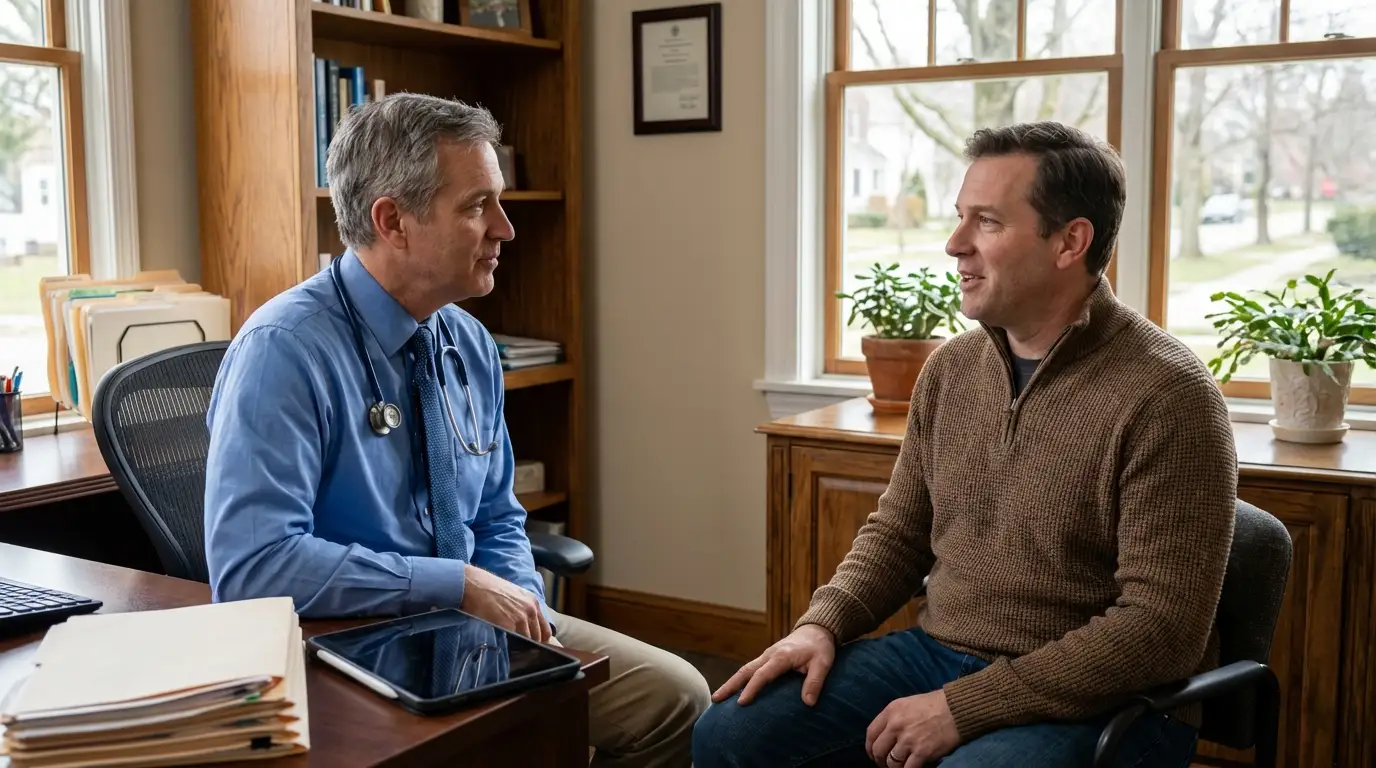
Understanding Low Testosterone Symptoms: What's Actually Happening?
Testosterone is far more than a "sex hormone." It's a master regulator that influences your energy metabolism, muscle protein synthesis, mood regulation, bone density, red blood cell production, and cognitive function. When levels drop below the clinical threshold — generally considered to be below 300 ng/dL of total testosterone by most medical guidelines — multiple body systems begin to feel the effects simultaneously.
This is why low testosterone symptoms rarely arrive alone. Men don't just lose libido. They often notice fatigue creeping in at the same time their motivation drops, their waistline expands, and their mood darkens. The symptoms are interconnected because testosterone touches so many biological processes at once.
It's also worth understanding that "normal" ranges vary by lab and by age. To get the full picture, you need to look at both total and free testosterone levels. Free testosterone — the biologically active fraction not bound to proteins — is especially important because a man can have technically normal total testosterone but still experience symptoms if his free testosterone is low. You can learn more in our guide to the testosterone blood test explained (total vs free).
The good news is that once Low T is identified through a proper blood panel, it's a manageable and well-understood condition. Testosterone replacement therapy (TRT) is an FDA-recognized medical treatment with decades of clinical evidence behind it. The key is getting properly diagnosed and working with a qualified provider who will screen, monitor, and individualize your care.
Sign #1: Persistent Fatigue and Low Energy
This is the symptom men most commonly describe when they walk into a clinic: a bone-deep tiredness that doesn't improve with sleep or rest. You get eight hours and still drag through the morning. By early afternoon, your energy has already bottomed out. Coffee helps less than it used to.
Testosterone plays a direct role in mitochondrial function and red blood cell production. When levels decline, cellular energy generation becomes less efficient, and your body produces fewer oxygen-carrying red blood cells — a combination that produces exactly the kind of unrelenting fatigue that men with Low T describe.
A 2019 review published in The Journal of Clinical Endocrinology & Metabolism found that fatigue and decreased energy were among the most consistently reported symptoms in men diagnosed with hypogonadism, and that TRT produced meaningful improvements in vitality scores across multiple trials.
If you're waking up unrefreshed, struggling to get through your workday, and skipping activities you used to enjoy because you simply don't have the energy, this symptom warrants investigation. It's not just "getting older" — it may be a correctable hormonal imbalance.
Sign #2: Decreased Libido and Sexual Interest
A reduced interest in sex is one of the most telling low testosterone symptoms, yet many men dismiss it as stress, relationship dynamics, or just aging. While all of those can play a role, testosterone is the primary hormonal driver of male libido — and when it drops significantly, sexual desire often drops with it.
This is different from occasional disinterest. Men with Low T often describe a fundamental shift: sex simply doesn't cross their mind as often, and when it does, the motivation to act on that desire isn't there. This can place significant strain on relationships and self-confidence.
Research consistently shows that TRT can meaningfully restore libido in men with confirmed hypogonadism. Our dedicated guide on TRT for low libido covers what the evidence shows, realistic timelines for improvement, and what to expect from treatment. If this symptom resonates, it's one of the strongest indicators that a testosterone blood test is worth pursuing.
Sign #3: Erectile Dysfunction or Reduced Sexual Performance
While erectile dysfunction (ED) has multiple causes — including cardiovascular disease, diabetes, and psychological factors — testosterone plays a meaningful supporting role in the physiological processes that produce and sustain erections. Low T can reduce nitric oxide production and penile tissue sensitivity, making erections harder to achieve and maintain.
It's important to note that ED alone is not diagnostic of Low T. Many men with Low T experience reduced libido more prominently than ED, while some experience both. A thorough evaluation by a qualified provider will assess testosterone levels alongside other potential contributors to sexual dysfunction, ensuring the right treatment is targeted at the right cause.
When Low T is confirmed as a contributing factor, TRT often improves erectile function alongside libido — particularly in men whose testosterone is significantly below normal range. Working with a provider who understands hormonal health gives you the best shot at a comprehensive solution.
Sign #4: Loss of Muscle Mass and Strength
If you've been training consistently and watching your strength plateau or decline, or if you're noticing your muscles looking softer and less defined despite not changing your routine, testosterone may be the variable at play. Testosterone is the primary anabolic hormone responsible for muscle protein synthesis — the process by which your body repairs and builds muscle tissue after exercise.
When testosterone declines, this process slows significantly. Men with Low T often find that building muscle becomes frustratingly difficult and that existing muscle mass erodes even with consistent training. This isn't a motivation problem or a training error — it's a physiological limitation caused by hormonal deficiency.
Clinical studies have shown that TRT can increase lean muscle mass and reduce fat mass in men with hypogonadism, particularly when combined with resistance training. Our guide on TRT and muscle growth explains what realistic results look like and what timeline to expect. If you've been grinding in the gym without results, getting your hormone levels checked could be the missing piece.
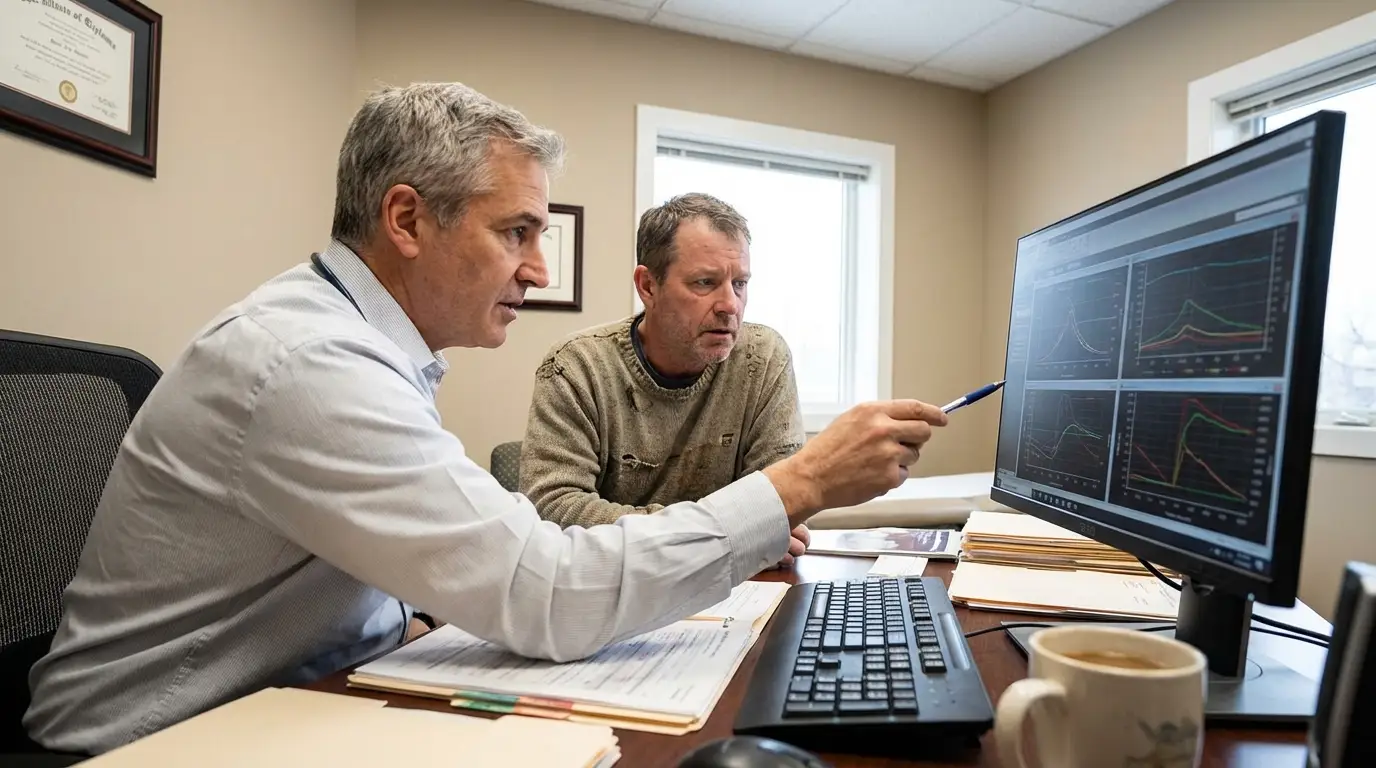
Sign #5: Increased Body Fat, Especially Around the Abdomen
One of the more frustrating low testosterone symptoms is unexplained weight gain — particularly the accumulation of visceral fat around the midsection. This happens for two interconnected reasons. First, testosterone helps regulate fat metabolism; lower levels make it harder for your body to mobilize and burn stored fat. Second, adipose (fat) tissue contains an enzyme called aromatase that converts testosterone into estrogen, creating a hormonal feedback loop that further suppresses testosterone production.
This means that as fat accumulates, it can drive testosterone even lower — and lower testosterone makes it easier to accumulate more fat. Men often describe feeling stuck in a cycle they can't break through diet and exercise alone.
The good news is that this cycle is interruptible. TRT has been shown to reduce fat mass in men with confirmed hypogonadism, and our article on TRT and weight loss covers the evidence in detail. A qualified TRT provider will also assess whether lifestyle factors need to be addressed alongside hormonal treatment for the best outcome.
Sign #6: Mood Changes, Irritability, and Depression
Testosterone has a well-documented influence on mood and psychological wellbeing. Men with low testosterone levels frequently report feeling irritable, anxious, or persistently low in mood — sometimes meeting clinical criteria for depression. A landmark 2016 study published in JAMA found that TRT significantly improved mood and depressive symptoms in older men with Low T.
This connection makes biological sense. Testosterone influences serotonin and dopamine pathways in the brain — neurotransmitters directly tied to mood, motivation, and emotional resilience. When testosterone drops, these systems can become dysregulated, producing feelings of flatness, irritability, or low-grade sadness that may not respond well to antidepressants if the underlying hormonal cause isn't addressed.
If you've noticed that your emotional baseline has shifted — shorter fuse, less enjoyment of things you used to love, a general sense of flatness — and this change feels physical rather than purely situational, it's worth discussing with a provider. Many men are surprised to learn that optimizing their testosterone levels produces significant and rapid mood improvements alongside the physical benefits.
Sign #7: Poor Sleep Quality and Insomnia
Sleep disturbances are both a symptom and a driver of low testosterone — creating another frustrating cycle. Testosterone is primarily secreted during sleep, with peak production occurring during the deep REM and slow-wave sleep phases. Poor sleep reduces testosterone output; lower testosterone can in turn disrupt sleep architecture, leading to lighter, less restorative sleep and more frequent nighttime waking.
Men with Low T often describe waking up feeling unrefreshed, struggling to fall asleep or stay asleep, and experiencing daytime drowsiness that compounds their fatigue. Our article on TRT and sleep explores how hormone optimization can improve sleep quality and what to expect during treatment.
It's worth noting that sleep apnea — a condition more common in men with Low T — can both cause and worsen testosterone deficiency. A qualified TRT provider will screen for sleep disorders before beginning therapy, and in men with untreated sleep apnea, addressing the apnea is often the essential first step. This is exactly why working with an experienced provider matters: they account for these interconnected factors rather than treating symptoms in isolation.
Sign #8: Cognitive Fog, Poor Concentration, and Memory Issues
"Brain fog" is one of the most commonly reported but least discussed low testosterone symptoms. Men describe difficulty concentrating during meetings, forgetting words mid-sentence, struggling to recall names or details they previously had no trouble with, and a general sense that their mental sharpness has dulled. This cognitive dimension of Low T is real, measurable, and underappreciated.
Testosterone receptors are present throughout the brain, including regions associated with memory, attention, and executive function. Research suggests that testosterone supports neuronal health and cognitive processing speed. A 2015 clinical trial published in the Journal of Clinical Endocrinology & Metabolism found that TRT improved spatial memory and verbal memory scores in men with hypogonadism.
If you're finding it harder to stay focused, think clearly under pressure, or recall information at work, don't automatically chalk it up to stress or age. A hormone panel may reveal a correctable underlying cause. Many men on TRT report that cognitive clarity is one of the first improvements they notice — often within the first few weeks of therapy.
Sign #9: Decreased Bone Density and Physical Resilience
Testosterone doesn't just build muscle — it also plays a critical role in maintaining bone mineral density. Men with chronically low testosterone are at increased risk for reduced bone density (osteopenia) and, over time, osteoporosis. This is particularly relevant for men over 50 who may already be experiencing age-related bone loss.
Fractures that seem disproportionate to the impact — a wrist break from a minor fall, for example — or recurring stress fractures in physically active men can sometimes trace back to hormonal deficiency affecting bone structure. Testosterone stimulates osteoblast activity (bone-building cells) and helps regulate calcium absorption, both of which are essential for skeletal health.
If you're experiencing unusual joint aches, a feeling that your body isn't recovering from physical activity as well as it used to, or if a DEXA scan has flagged reduced bone density, testosterone levels should be part of your workup. TRT has been shown in multiple studies to increase bone mineral density in men with hypogonadism, reducing long-term fracture risk when treatment is maintained.
Sign #10: Reduced Motivation, Drive, and Sense of Wellbeing
Perhaps the subtlest but most life-altering low testosterone symptom is a general erosion of drive, ambition, and the sense that life is rewarding and meaningful. Men describe it in different ways: "I just don't care like I used to," "Nothing excites me anymore," or "I'm going through the motions." This isn't clinical depression in the traditional sense — it's a hormonal dimming of the qualities that make men feel engaged with their lives.
Testosterone has a direct relationship with dopaminergic reward pathways — the brain systems that make achievement feel satisfying and goals feel worth pursuing. When testosterone is low, the motivational engine of the brain runs at reduced capacity, making everything from career goals to fitness pursuits feel less compelling.
This symptom is often the last one men connect to hormones, but it's frequently the one they're most grateful to have resolved through treatment. Explore TRT before and after stories to hear directly from men who've experienced this transformation.
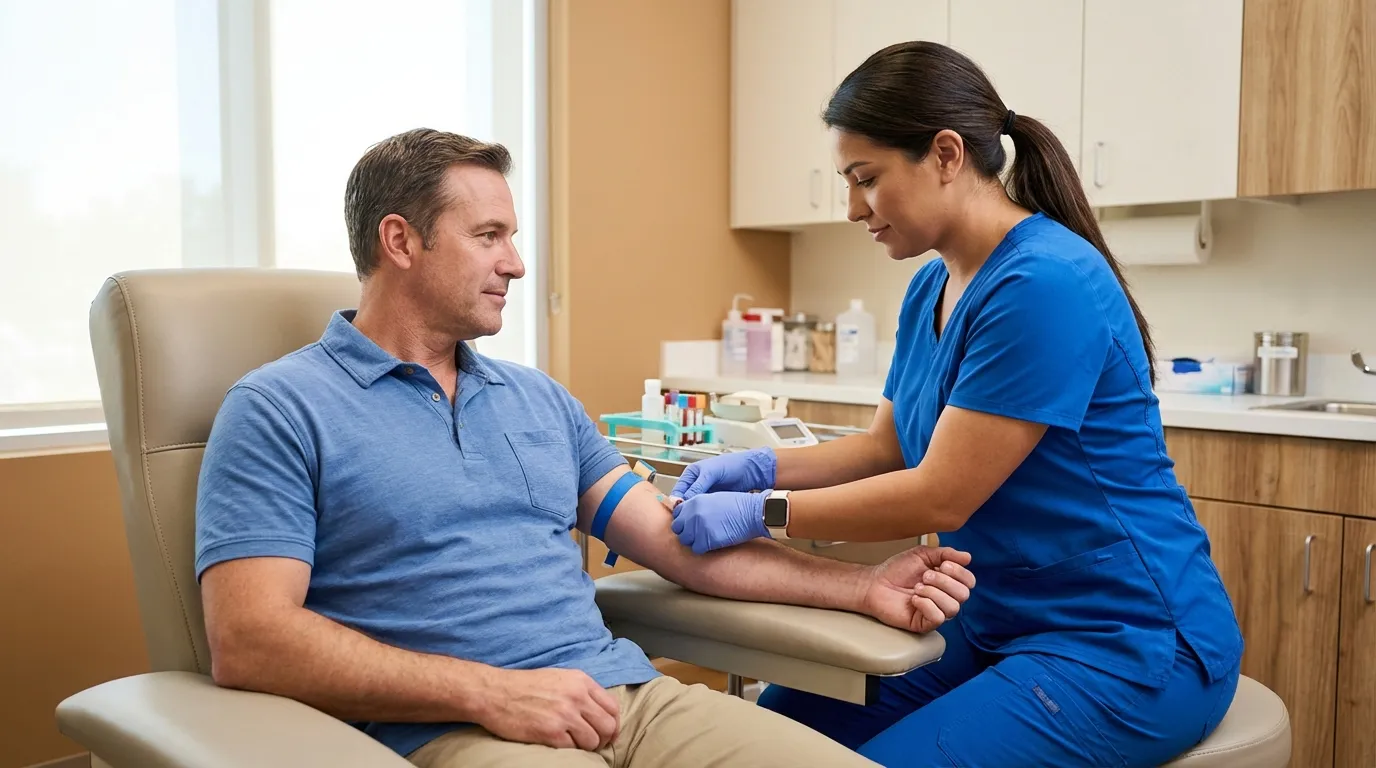
How Are Low Testosterone Symptoms Diagnosed?
Symptoms alone are not sufficient to diagnose Low T — a proper blood test is essential. The Endocrine Society recommends testing total testosterone in the morning (when levels are highest), and repeating the test on a second occasion to confirm results. Many providers will also assess free testosterone, LH, FSH, SHBG, and estradiol to get a complete hormonal picture.
| Test | What It Measures | Why It Matters |
|---|---|---|
| Total Testosterone | All testosterone in the blood | Primary screening measure |
| Free Testosterone | Biologically active testosterone | Can be low even when total is normal |
| SHBG | Sex hormone-binding globulin | Affects how much testosterone is free |
| LH / FSH | Pituitary hormones | Identifies cause (primary vs secondary) |
| Estradiol (E2) | Estrogen level in men | Important for balance on TRT |
To understand the full panel better, see our guides on free vs total testosterone and what SHBG means for TRT. Understanding your own lab results puts you in a much stronger position to have an informed conversation with your provider.
If you're not sure where to start, take the free Low T symptom quiz on TRTmatch — it takes less than two minutes and helps you assess whether your symptoms align with Low T before scheduling a consultation.
What to Do If You Recognize These Symptoms
Recognizing low testosterone symptoms in yourself is the first and most important step. The second step is finding a qualified provider who specializes in hormonal health — not every primary care doctor is well-versed in TRT, and the quality of your care makes a significant difference in your outcomes and safety.
TRT is an established, FDA-recognized medical treatment available in several forms — injections, gels, patches, and pellets — each with different advantages depending on your lifestyle and preferences. Our guide to TRT injections vs gel breaks down the options clearly. A good provider will help you choose the right delivery method and will monitor your levels regularly to keep you in the optimal range.
To find experienced, vetted TRT providers in your area, browse our TRT clinic directory. Whether you're in Texas, California, Florida, or anywhere across the country, TRTmatch connects you with specialists who understand hormonal health and will give you the personalized care you deserve.
You can also learn more about what the treatment journey looks like by reading what to expect at your first TRT consultation and exploring what TRT actually is. The more informed you are going in, the better your experience will be.
The bottom line: if several of the low testosterone symptoms described in this article sound familiar, you owe it to yourself to get tested. Low T is common, manageable, and well-treated — and the men who take action consistently report significant improvements in energy, mood, body composition, sexual health, and overall quality of life. The right provider, the right protocol, and regular monitoring make all the difference.
Sources & References
- Testosterone Therapy in Men With Hypogonadism: An Endocrine Society Clinical Practice Guideline — Journal of Clinical Endocrinology & Metabolism [Link]
- Testosterone and the Heart — National Institutes of Health / PubMed [Link]
- Low Testosterone (Male Hypogonadism) — Cleveland Clinic [Link]
- Testosterone Deficiency in Men — American Urological Association [Link]
- Testosterone and Depression: Systematic Review and Meta-Analysis — JAMA Psychiatry / PubMed [Link]
- Effects of Testosterone Supplementation on Depressive Symptoms and Sexual Dysfunction in Hypogonadal Men — PubMed / JAMA [Link]
- Testosterone Therapy: Potential Benefits and Risks as You Age — Mayo Clinic [Link]
Frequently Asked Questions
Ready to Take the Next Step?
Check your symptoms with our free quiz or browse 2,500+ verified TRT clinics.