
Medical Disclaimer
The information on this website is for educational purposes only and is not a substitute for professional medical advice, diagnosis, or treatment. Always consult a qualified healthcare provider before starting any hormone therapy. Individual results may vary. TRTmatch does not provide medical services or prescribe medications.
Key Takeaways
- TRT for low libido is supported by strong clinical evidence, including the landmark NIH-funded Testosterone Trials, which showed meaningful improvements in sexual desire in men with low testosterone.
- Libido improvements are often among the earliest benefits of TRT, with many men noticing changes within 3–6 weeks of starting therapy.
- TRT is most effective for low libido when there is a confirmed hormonal deficiency — proper blood testing before starting treatment is essential.
- Factors like estradiol balance, SHBG levels, sleep quality, and stress all interact with TRT's effectiveness on libido and should be addressed by your provider.
- Side effects of TRT are well-understood and manageable through routine monitoring — they are not a reason to avoid treatment when it's clinically appropriate.
- Finding a qualified TRT provider who conducts comprehensive blood work and ongoing monitoring is the most important step toward safe, effective treatment.
Disclaimer: This article is for educational purposes only and does not constitute medical advice. Always consult a qualified healthcare provider before starting any hormone therapy.
Why Low Libido Deserves a Real Conversation
If your interest in sex has quietly faded — and you've written it off as stress, age, or just "how things are now" — you're not alone. Low libido affects an estimated 15–25% of men at some point in their lives, and for many, the underlying cause is hormonal. That's where exploring TRT for low libido becomes a serious, evidence-backed conversation worth having.
Testosterone is the primary hormone driving male sex drive. When levels drop below the normal range, libido is often one of the first things to go. The good news: this is a well-understood, medically manageable condition. Testosterone replacement therapy (TRT) is an FDA-recognized treatment with decades of clinical evidence behind it, and for men whose low libido is linked to low testosterone, it can make a meaningful difference.
Before we dive in, it's worth understanding what "normal" looks like. If you've noticed changes beyond just libido — fatigue, mood shifts, reduced muscle mass — you may want to review the 10 signs of low testosterone in men to see whether a pattern emerges. You can also take the free Low T symptom quiz to get a clearer picture of where you stand.

The Link Between Testosterone and Sex Drive
To understand whether TRT can restore libido, it helps to understand why testosterone matters for sex drive in the first place. Testosterone doesn't just influence muscle and mood — it plays a direct role in the brain's reward and arousal systems. It helps regulate dopamine pathways associated with motivation, desire, and pleasure. When testosterone drops, those pathways become less responsive, and sexual interest can diminish significantly.
Research consistently confirms this relationship. A landmark study published in the Journal of Clinical Endocrinology and Metabolism found that men with hypogonadism — the clinical term for abnormally low testosterone — reported significantly lower sexual desire, and that restoring testosterone to normal levels improved libido scores in the majority of participants.
It's important to note that testosterone levels naturally decline with age — roughly 1–2% per year after age 30. For some men, this gradual decline stays within the functional range. For others, it crosses a threshold where symptoms like reduced libido become noticeable and disruptive. If you're over 40 and wondering whether your symptoms are age-related or something more, understanding what's normal after 40 is a helpful starting point.
Key hormonal factors that interact with libido include:
- Total testosterone: The overall amount of testosterone in your bloodstream
- Free testosterone: The bioavailable fraction that actually enters cells and drives effects
- Estradiol (E2): Too high or too low can both dampen libido, even on TRT
- SHBG: Sex hormone-binding globulin; high levels reduce free testosterone availability
This is why a thorough blood panel matters. If you want to understand what these numbers mean, this breakdown of total vs. free testosterone is worth reading before your first appointment.
Does TRT for Low Libido Actually Work? What the Research Shows
The short answer is: yes, for men whose low libido is driven by low testosterone, TRT is effective. Multiple large-scale clinical trials and meta-analyses support this conclusion.
The Testosterone Trials (TTrials), a landmark set of coordinated studies funded by the NIH and published in the New England Journal of Medicine, enrolled over 700 men aged 65 and older with low testosterone. Among the key findings: men receiving testosterone therapy reported significant improvements in sexual desire, erectile function, and sexual activity compared to placebo. These weren't marginal differences — they were clinically meaningful improvements in quality of life.
A 2018 meta-analysis published in Sexual Medicine Reviews analyzed data from 44 randomized controlled trials and concluded that testosterone therapy consistently improved libido in men with confirmed hypogonadism. The effect was most pronounced in men with the lowest baseline testosterone levels.
It's worth being specific about who benefits most: TRT is most effective for libido when there is a confirmed hormonal deficiency. Men with testosterone levels in the low-normal range may experience less dramatic results, because libido has multiple contributing factors — relationship dynamics, stress, sleep quality, and psychological wellbeing all play roles. A qualified provider will help you understand how much of your low libido is likely hormonal versus multifactorial.
For a broader look at what TRT can and can't do, this overview of real TRT results provides useful context on what men typically experience across different symptoms.
How Long Does It Take for TRT to Improve Libido?
One of the most common questions men have when starting TRT is: how soon will I notice a difference in my sex drive? The timeline varies by individual, but research offers some useful benchmarks.
For many men, improvements in libido are among the earlier benefits of TRT — often noticeable within three to six weeks of starting therapy. This is faster than some other benefits like muscle gain or mood stabilization, which can take three to six months to fully manifest. That said, individual responses vary based on factors like your starting testosterone level, the delivery method chosen, and your overall health.
A general timeline looks like this:
| Timeframe | What You Might Notice |
|---|---|
| Weeks 1–3 | Subtle shifts in energy and mood; early libido changes possible |
| Weeks 3–6 | More noticeable increase in sexual desire for many men |
| Months 2–3 | Libido improvements stabilize; erection quality may improve |
| Months 3–6 | Full hormonal optimization; other benefits (body composition, mood) peak |
Patience matters here. TRT is not an overnight fix, and levels need time to stabilize. Your provider will typically retest your blood levels at six to eight weeks and adjust dosing as needed. For a detailed look at the overall timeline, this guide on how long TRT takes to work covers what to expect at each stage.
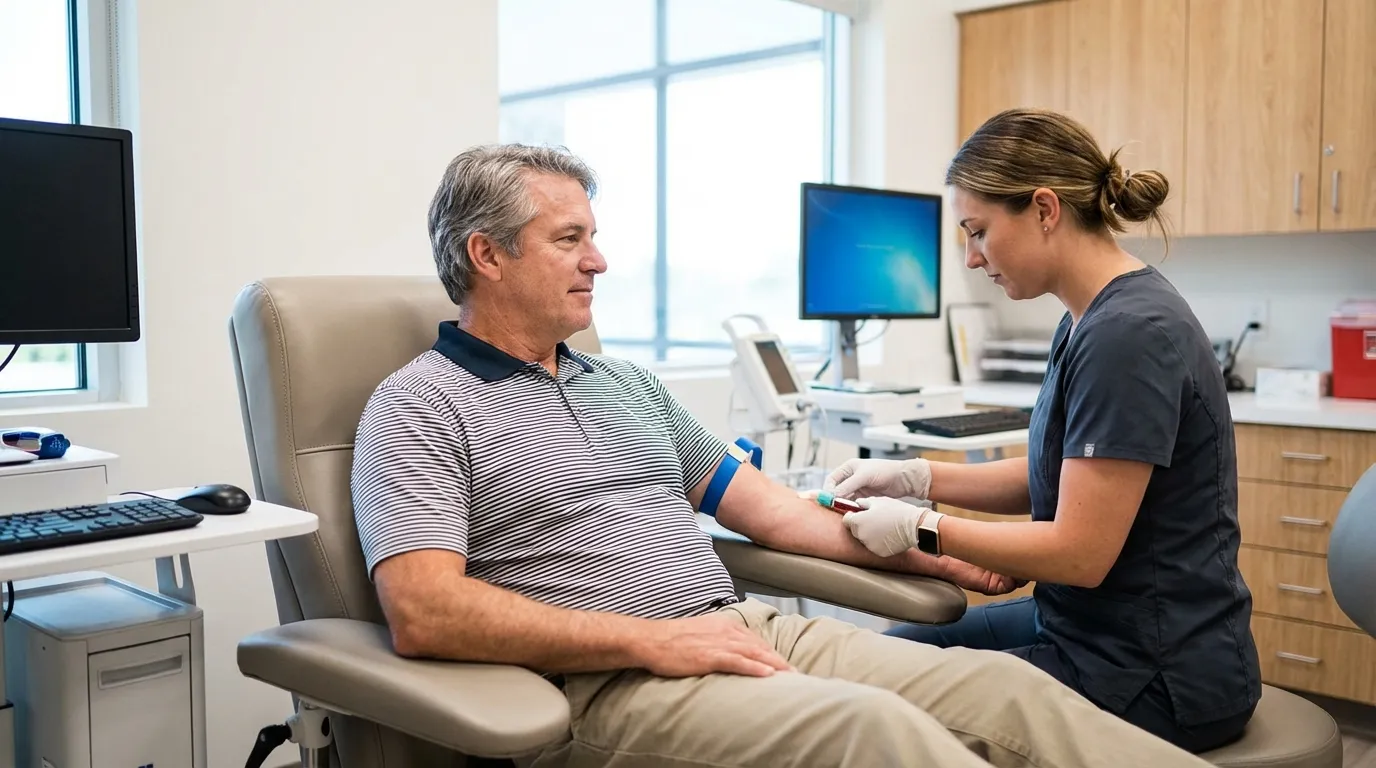
TRT Delivery Methods: Which Works Best for Libido?
TRT comes in several delivery forms, and while all of them raise testosterone levels, some men find that certain methods produce more consistent results for libido specifically. The key factor is achieving stable, steady testosterone levels — because fluctuations can affect how you feel day to day.
The most common delivery methods include:
- Injections (cypionate or enanthate): Typically administered weekly or bi-weekly. Highly effective and cost-efficient. Some men notice a "peak and trough" effect with bi-weekly injections — feeling better in the days after injection and less energized near the next dose. Weekly injections generally smooth this out.
- Topical gels: Applied daily to skin. Produce very stable levels because of the consistent daily dosing. Convenient but require care to avoid transfer to partners or children.
- Pellets: Implanted under the skin every 3–6 months. Provide very consistent long-term levels with no daily or weekly maintenance required.
- Patches: Applied nightly. Effective but some men experience skin irritation.
For a detailed comparison of the two most popular options, this breakdown of TRT injections vs. gel covers efficacy, convenience, and cost. Your provider will help you choose the right delivery method based on your lifestyle, preferences, and clinical profile.
What Else Affects Libido on TRT? Understanding the Full Picture
TRT significantly improves libido in men with confirmed low testosterone, but it's not always a standalone solution. Several other factors interact with sex drive, and a good TRT provider will address these as part of your overall care.
Estrogen Balance on TRT
When testosterone levels rise on TRT, some of it converts to estradiol (estrogen) through a process called aromatization. Estradiol plays an important role in men's health — including bone density and even some aspects of libido — but if levels rise too high, it can paradoxically dampen sex drive, cause mood changes, and affect erection quality. This is well-understood and manageable: providers monitor estradiol levels through regular blood work and may adjust dosing or add an aromatase inhibitor if needed. To understand this balance better, this guide on estradiol in men on TRT explains what optimal levels look like.
SHBG and Free Testosterone
Even with adequate total testosterone, high levels of sex hormone-binding globulin (SHBG) can leave too little free testosterone available to drive libido. Men with high SHBG may need adjusted dosing strategies or a different delivery method. Understanding SHBG and its impact on TRT is an important piece of the puzzle for men who aren't seeing the libido improvements they expected.
Sleep, Stress, and Lifestyle
Testosterone is produced primarily during deep sleep, so poor sleep quality can blunt TRT's effectiveness. Chronic stress elevates cortisol, which directly suppresses testosterone activity. Exercise, nutrition, and body composition also influence how well TRT works. TRT is most effective as part of a broader approach to men's health — not a substitute for it.
Potential Side Effects and How They're Managed
Any medical treatment warrants a balanced look at potential side effects. For TRT, most side effects are mild, predictable, and manageable with appropriate monitoring. Understanding them upfront helps you make an informed decision and have productive conversations with your provider.
Common side effects that some men experience include:
- Elevated red blood cell count (erythrocytosis): TRT stimulates red blood cell production, which in some men can cause thickened blood. This is monitored through regular hematocrit blood tests, and dosage can be adjusted if levels rise too high. It's one of the reasons routine blood work is a standard part of TRT care.
- Testicular atrophy and reduced sperm production: TRT signals the brain to reduce its own hormone production, which can shrink testicle size and reduce fertility. Men who wish to preserve fertility should discuss this with their provider before starting — there are options like HCG that can help maintain natural production alongside TRT.
- Acne or oily skin: Occurs in some men, particularly at higher doses. Usually mild and manageable with dose adjustment or topical care.
- Sleep apnea: TRT may worsen sleep apnea in men who already have the condition. Providers routinely screen for sleep disorders before prescribing, and men with diagnosed sleep apnea can still be candidates for TRT with appropriate monitoring.
The key message: these side effects are known, predictable, and addressed through the monitoring protocols that reputable TRT clinics follow as standard practice. For a comprehensive overview, this guide on TRT side effects covers each one in detail along with management strategies.

How to Get Started: Finding the Right TRT Provider
If you've recognized yourself in this article — reduced libido, possible other low-T symptoms, and a readiness to explore solutions — the next step is straightforward: get tested and talk to a qualified provider.
The process typically starts with a blood test that measures your total testosterone, free testosterone, SHBG, estradiol, LH, FSH, and a complete metabolic panel. This gives your provider a full hormonal picture before making any treatment recommendations. If you're not sure what to expect from your first appointment, this guide on your first TRT consultation walks through the entire process.
When choosing a provider, look for:
- A clinic that requires comprehensive blood work before prescribing
- Ongoing monitoring (follow-up labs at 6–8 weeks and every 3–6 months thereafter)
- A provider who discusses your goals, not just your numbers
- Transparent pricing and a clear treatment plan
You can find a TRT clinic near you through our directory, which lists vetted providers across the country. If you're in a specific state, browse TRT clinics in Texas, TRT clinics in California, or TRT clinics in Florida to find options close to home. For more guidance on evaluating clinics, this resource on finding the best TRT clinic covers what to look for and what red flags to avoid.
TRT for Low Libido: The Bottom Line
Low libido can quietly erode confidence, relationships, and quality of life — but it doesn't have to be accepted as inevitable. For men with clinically confirmed low testosterone, TRT for low libido is a well-researched, effective, and safe treatment option when managed by a qualified provider. The clinical evidence is clear: restoring testosterone to healthy levels improves sexual desire, often within weeks, and those improvements are sustained over time with proper monitoring.
The key is getting the right diagnosis first. Not all low libido is caused by low testosterone, but for the significant percentage of men who do have hormonal deficiency, TRT can be genuinely life-changing. Whether you're in your 30s noticing early changes or in your 50s dealing with more significant decline, there's no reason to guess when a simple blood test can give you answers.
Start by taking the free Low T symptom quiz to assess your symptoms, then find a TRT doctor who can provide a proper evaluation. Exploring TRT for low libido with a qualified provider is a proactive, informed step toward reclaiming a part of your health that matters — and you deserve that conversation.
Sources & References
- Effects of Testosterone Treatment in Older Men (The TTrials) — New England Journal of Medicine [Link]
- Testosterone Therapy in Men With Hypogonadism: An Endocrine Society Clinical Practice Guideline — Journal of Clinical Endocrinology & Metabolism [Link]
- Effect of Testosterone Therapy on Sexual Function in Men: A Systematic Review and Meta-Analysis — Sexual Medicine Reviews (PubMed) [Link]
- Testosterone and Sexual Function — Journal of Sexual Medicine (PubMed Central) [Link]
- Low Sex Drive in Men — Mayo Clinic [Link]
- Hypogonadism in Men: Clinical Features, Diagnosis and Treatment — Cleveland Clinic [Link]
- AUA Guideline on Testosterone Deficiency — American Urological Association [Link]
Frequently Asked Questions
Ready to Take the Next Step?
Check your symptoms with our free quiz or browse 2,500+ verified TRT clinics.