
Medical Disclaimer
The information on this website is for educational purposes only and is not a substitute for professional medical advice, diagnosis, or treatment. Always consult a qualified healthcare provider before starting any hormone therapy. Individual results may vary. TRTmatch does not provide medical services or prescribe medications.
Key Takeaways
- Testosterone blood test levels should always include both total and free testosterone for an accurate picture — total testosterone alone can be misleading, especially in men with high SHBG.
- Normal total testosterone in adult men generally falls between 300–1,000 ng/dL, but symptoms must be evaluated alongside lab values before a diagnosis of low testosterone is made.
- Free testosterone is often the more clinically meaningful number, as it reflects the biologically active hormone your cells can actually use.
- SHBG, estradiol, LH, FSH, and a complete blood count are important companion markers that a qualified TRT provider will review alongside testosterone results.
- Blood draws for testosterone testing should ideally be taken between 7–10 a.m. for the most accurate baseline reading, as levels peak in the morning.
- If your results come back low, a qualified TRT provider will typically confirm with a second test and evaluate symptoms before recommending treatment — TRT is a well-established, manageable therapy when overseen by an experienced clinician.
If you've been feeling fatigued, struggling with low libido, or noticing changes in your mood and body composition, checking your testosterone blood test levels is the logical first step. A simple blood draw can reveal a great deal about your hormonal health — but the results aren't always straightforward. Understanding what total testosterone, free testosterone, and related markers actually mean is essential before making any decisions about treatment.
This article is for educational purposes only and does not constitute medical advice. Always consult a qualified healthcare provider before making changes to your hormone health or starting any treatment.
In this guide, we'll walk you through exactly what your lab results mean, which numbers matter most, and how a qualified TRT provider interprets the full picture. If you're not sure whether your symptoms point to low testosterone, you can also take the free Low T symptom quiz to get a clearer sense of where you stand.
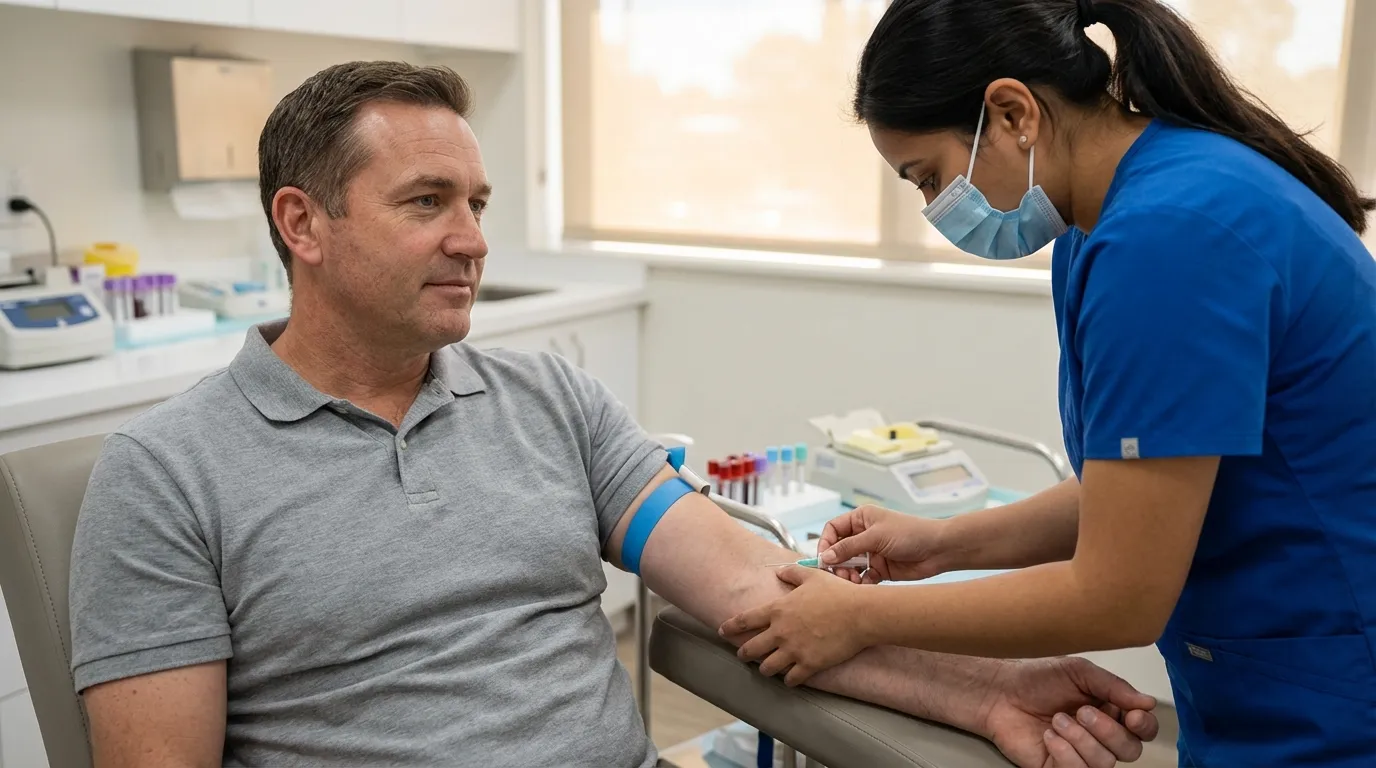
Why Testosterone Blood Test Levels Matter
Testosterone is the primary male sex hormone, responsible for regulating energy, libido, muscle mass, bone density, mood, and even cognitive function. When levels fall below what your body needs, the effects can be wide-ranging and gradual — making them easy to dismiss as normal aging. But symptoms like persistent fatigue, reduced motivation, weight gain around the midsection, and declining sexual function are worth investigating rather than accepting.
The only reliable way to confirm low testosterone is through a blood test. Self-assessment based on symptoms alone can point you in the right direction, but testosterone blood test levels provide the objective data your provider needs to make an accurate diagnosis. According to the Endocrine Society, hypogonadism — clinically low testosterone — should be diagnosed based on both consistent symptoms and confirmed low serum testosterone levels on at least two separate morning measurements.
It's also worth noting that testosterone levels fluctuate throughout the day, peaking in the early morning hours and declining by afternoon. This is why most providers recommend getting your blood drawn between 7 a.m. and 10 a.m. for the most accurate baseline reading. A single midday result could underrepresent your actual levels and lead to an inaccurate picture.
If you want to understand how your results compare to age-based norms, check out our detailed breakdown of Testosterone Levels by Age (Full Chart + Explained) — it puts lab numbers into context that makes a real difference in understanding your situation.
Total Testosterone vs Free Testosterone: What's the Difference?
When your results come back, you'll likely see at least two key values: total testosterone and free testosterone. Many men focus only on total testosterone, but that single number doesn't tell the whole story.
Understanding Total Testosterone
Total testosterone measures all of the testosterone circulating in your bloodstream — including testosterone that is bound to proteins and therefore unavailable for your cells to use. The majority of testosterone in the blood (roughly 60–80%) is tightly bound to a protein called sex hormone-binding globulin (SHBG). Another 20–40% is loosely bound to albumin, and only about 2–3% is completely free and biologically active.
The standard reference range for total testosterone in adult men is generally 300–1,000 ng/dL, though different labs and clinical organizations use slightly varying thresholds. A result below 300 ng/dL is often used as a clinical marker for low testosterone, but context matters enormously — a man with a total level of 280 ng/dL and no symptoms may not need treatment, while a man at 350 ng/dL with significant symptoms and high SHBG might genuinely benefit from evaluation.
Understanding Free Testosterone
Free testosterone refers specifically to the unbound fraction — the testosterone your cells can actually absorb and use. Even if your total testosterone looks acceptable on paper, high SHBG levels can bind up most of it, leaving your tissues starved for the active hormone. This is why free testosterone is often the more clinically meaningful number, particularly in men over 40 when SHBG levels tend to rise naturally.
Normal free testosterone ranges typically fall between 50–210 pg/mL (or 9–30 ng/dL depending on the measurement method used). For a deeper comparison of these two markers, our article on Free vs Total Testosterone: What Really Matters? covers this distinction in detail.
The Role of SHBG in Your Results
Sex hormone-binding globulin is one of the most underappreciated variables in testosterone blood test interpretation. SHBG is a protein produced by the liver that binds tightly to testosterone, making it unavailable to your tissues. Elevated SHBG means more of your testosterone is being captured and inactivated — even if your total testosterone looks fine.
Several factors can elevate SHBG, including aging, hyperthyroidism, liver disease, certain medications, and caloric restriction. Conversely, conditions like obesity, type 2 diabetes, and hypothyroidism tend to lower SHBG — which can temporarily boost free testosterone but comes with its own health implications.
A thorough provider will always look at SHBG alongside testosterone levels before drawing conclusions. To understand how this protein affects your hormonal picture, read our full explainer on What Is SHBG and Why It Matters for TRT. When SHBG is a contributing factor, a good TRT provider will factor it directly into treatment planning rather than relying on total testosterone alone.

What Is a Normal Testosterone Level for Men?
One of the most common questions men have after getting their results is: what does "normal" actually mean? The answer is more nuanced than a single number suggests.
Reference ranges published by labs represent a statistical spread of values from a large population — not necessarily an optimal range for how you feel. A man in his 30s with a total testosterone of 310 ng/dL is technically within the lower edge of the normal range, but he may feel significantly better at 600–700 ng/dL. Clinical guidelines from the American Urological Association (AUA) define low testosterone as a total serum testosterone below 300 ng/dL, while the Endocrine Society emphasizes that symptoms must accompany low lab values for a diagnosis of hypogonadism.
Age plays an important role as well. Testosterone naturally declines at roughly 1–2% per year after age 30. What's normal for a 35-year-old is different from what's typical for a 55-year-old — though both may benefit from evaluation if symptoms are present. Our guide on Low Testosterone Symptoms After 40: What's Normal? provides a helpful framework for understanding age-related changes.
Here's a general reference table for testosterone levels in men:
| Age Range | Total Testosterone (ng/dL) | Free Testosterone (pg/mL) |
|---|---|---|
| 20–29 | 400–1,000 | 90–200 |
| 30–39 | 350–950 | 80–190 |
| 40–49 | 300–850 | 70–170 |
| 50–59 | 280–800 | 60–150 |
| 60+ | 250–750 | 50–130 |
Remember, these are population averages and should be interpreted alongside your specific symptoms, lifestyle, and other lab values by a qualified provider.
Other Important Markers Tested Alongside Testosterone
A responsible hormone panel goes well beyond a single testosterone reading. Qualified TRT providers typically order a comprehensive set of labs to get the complete picture before recommending any course of action. Here are the key markers you can expect to see on a thorough testosterone panel:
- Luteinizing Hormone (LH) and Follicle-Stimulating Hormone (FSH): These pituitary hormones signal the testes to produce testosterone. Low LH with low testosterone can indicate secondary hypogonadism (a pituitary or hypothalamic issue), while normal or high LH with low testosterone suggests primary hypogonadism (a testicular issue). This distinction guides treatment decisions.
- Estradiol (E2): Testosterone converts to estradiol through a process called aromatization. Elevated estradiol in men can cause symptoms like water retention, mood swings, and reduced libido — even when testosterone is in a good range. Monitoring and managing estradiol is an important part of TRT care. Learn more in our article on Estradiol (E2) in Men on TRT: What You Need to Know.
- Complete Blood Count (CBC): TRT can increase red blood cell production (a process called erythrocytosis). Regular CBC monitoring ensures hematocrit stays within a safe range throughout treatment.
- PSA (Prostate-Specific Antigen): Baseline PSA testing is standard before starting TRT, as testosterone can stimulate prostate tissue. Men with well-managed TRT see routine PSA monitoring as a straightforward, manageable part of ongoing care.
- Metabolic Panel and Lipid Profile: These give a broader picture of your overall health and help identify any conditions that might affect treatment decisions or respond positively to testosterone optimization.
- Thyroid Function (TSH): Thyroid dysfunction can mimic many low-testosterone symptoms and can also affect SHBG levels, so ruling it out is an important step in the diagnostic process.
Getting all of these markers evaluated at once is the mark of a thorough, patient-centered TRT provider. If you're experiencing symptoms, reading more about Low Testosterone Symptoms: 10 Signs of Low Testosterone in Men can help you decide whether it's time to get tested.
How to Get Your Testosterone Blood Test Levels Checked
Getting tested is simpler than many men expect. Here are the most common pathways:
Through Your Primary Care Physician
Your family doctor or general practitioner can order a basic testosterone panel. This is a reasonable starting point, though some primary care physicians may only order total testosterone and miss the broader hormonal picture. If your results come back borderline and you're still experiencing symptoms, asking for a referral to an endocrinologist or a TRT specialist is a perfectly reasonable next step.
Through a Dedicated TRT Clinic
Specialized TRT clinics — both in-person and online — are set up specifically to evaluate, diagnose, and treat testosterone deficiency. They typically run comprehensive hormone panels from the outset and have clinical teams experienced in interpreting nuanced results. Our How to Find a TRT Doctor (Step-by-Step Guide) is a helpful resource if you're not sure where to start. You can also find a TRT clinic near you using our directory, which lists vetted providers across the country.
Direct-to-Consumer Lab Testing
Services like LabCorp, Quest Diagnostics, and various online lab ordering platforms allow you to order testosterone panels without a physician's referral in most states. This can be a good way to get an initial data point, but keep in mind that interpreting results and determining next steps still requires clinical guidance. A low-cost test without proper interpretation can lead to either unnecessary anxiety or a missed diagnosis.
Whatever route you choose, timing matters. Schedule your blood draw for the morning — ideally before 10 a.m. — and avoid heavy exercise, alcohol, or poor sleep in the 24 hours prior, as these can temporarily suppress your levels.

What Happens If Your Levels Come Back Low?
A low result on your testosterone blood test doesn't automatically mean you need TRT — but it does mean you have important information and a clear reason to consult a specialist. Here's what the evaluation process typically looks like after a low result:
First, a second confirmatory test is usually ordered, particularly if the first result was borderline. Because testosterone levels vary based on timing, stress, illness, and other factors, two low morning readings on separate days provide a more reliable baseline. The Endocrine Society recommends this approach before initiating treatment.
Next, your provider will review your symptoms alongside the lab data. Two men with the same total testosterone reading of 280 ng/dL might have very different clinical situations — one may feel perfectly fine, while the other experiences significant fatigue, brain fog, and sexual dysfunction. Symptom severity guides clinical decision-making alongside objective numbers.
If TRT is appropriate for you, your provider will discuss delivery options — injections, gels, pellets, or other formulations — and create a personalized dosing plan. To understand what that process looks like from start to finish, our article on Your First TRT Consultation: What to Expect is an excellent primer. You can also explore What Is Testosterone Replacement Therapy (TRT)? for a comprehensive overview of the treatment itself.
Many men are also surprised to learn that lifestyle changes can meaningfully support testosterone levels before or alongside medical treatment. Our guide on How to Increase Testosterone Naturally (Before TRT) outlines evidence-based strategies worth considering as part of a holistic approach.
Monitoring Testosterone Blood Test Levels During TRT
Getting tested isn't a one-time event — it's an ongoing part of responsible TRT management. Once you start therapy, regular monitoring of your testosterone blood test levels is essential to ensure your treatment is working effectively and safely. Most providers follow a schedule similar to this:
- 6–8 weeks after starting TRT: First follow-up labs to assess initial response and make dose adjustments if needed.
- Every 3–6 months during the first year: Regular monitoring of testosterone, estradiol, CBC, and PSA while the protocol is being fine-tuned.
- Every 6–12 months once stable: Ongoing labs to maintain safety and effectiveness over the long term.
This monitoring schedule is what separates a well-managed TRT protocol from a haphazard one. Providers who test regularly can catch and address issues — like elevated hematocrit or rising estradiol — before they become problems. Understanding what side effects to watch for and how they're managed can help you feel confident going into treatment; our article on TRT Side Effects: What to Expect (And How to Manage Them) covers this in depth.
The goal of TRT monitoring isn't just to confirm your testosterone is rising — it's to find your personal optimal range where you feel your best with the least intervention needed. Most men do well with total testosterone maintained between 500–900 ng/dL, though individual responses vary and providers adjust accordingly.
Taking the Next Step After Understanding Your Results
Understanding your testosterone blood test levels — both total and free — is an empowering first step toward taking control of your hormonal health. Numbers on a lab report only become meaningful when they're interpreted in the context of your symptoms, age, lifestyle, and full hormone panel. That's why working with a qualified TRT provider who takes a comprehensive approach makes all the difference.
If you haven't been tested yet and are experiencing symptoms like fatigue, low libido, mood changes, or difficulty building muscle, now is a good time to act. You can take the free Low T symptom quiz to get a personalized snapshot of your risk factors, and then use our directory to find a TRT clinic near you staffed by clinicians who specialize in male hormone health.
Whether your testosterone blood test results come back low, borderline, or within range, the right provider can help you make sense of the data and map out a path forward — whether that's lifestyle optimization, further testing, or a carefully monitored TRT protocol. You don't have to figure it out alone, and with the right clinical support, managing your testosterone levels is very achievable.
Sources & References
- Testosterone Therapy in Men with Hypogonadism: An Endocrine Society Clinical Practice Guideline — Journal of Clinical Endocrinology & Metabolism [Link]
- Evaluation and Management of Testosterone Deficiency: AUA Guideline — American Urological Association [Link]
- Testosterone — Mayo Clinic Laboratories Reference Values — Mayo Clinic Laboratories [Link]
- Male Hypogonadism: Causes, Diagnosis and Treatment — PubMed Central / Nature Reviews Urology [Link]
- Diurnal Variation of Serum Testosterone and Clinical Significance — PubMed / Clinical Endocrinology [Link]
- Sex Hormone–Binding Globulin and Testosterone in Men — PubMed Central / Journal of Clinical Endocrinology & Metabolism [Link]
- Testosterone and the Heart — Cleveland Clinic [Link]
Frequently Asked Questions
Ready to Take the Next Step?
Check your symptoms with our free quiz or browse 2,500+ verified TRT clinics.