
Medical Disclaimer
The information on this website is for educational purposes only and is not a substitute for professional medical advice, diagnosis, or treatment. Always consult a qualified healthcare provider before starting any hormone therapy. Individual results may vary. TRTmatch does not provide medical services or prescribe medications.
Key Takeaways
- Moderate, occasional drinking (1–2 drinks) is unlikely to significantly interfere with TRT for most healthy men, but frequent or heavy alcohol use can meaningfully impact results.
- Alcohol promotes aromatase activity, converting more testosterone to estrogen — which can worsen side effects like water retention, mood swings, and reduced libido on TRT.
- Alcohol disrupts REM sleep, which elevates cortisol and undermines the energy, recovery, and body composition benefits that TRT is designed to provide.
- Heavy alcohol use can stress the liver, which plays a key role in hormone metabolism and clearance — particularly relevant for men on oral testosterone formulations.
- Regular bloodwork during TRT acts as a safety net — your provider can detect and correct any alcohol-related hormonal imbalances early before they become significant problems.
- Being honest with your TRT provider about your drinking habits allows for more accurate lab interpretation and better-personalized protocol adjustments.
Alcohol and TRT: What Every Man on Testosterone Therapy Should Know
Disclaimer: This article is for educational purposes only and does not constitute medical advice. Always consult a qualified healthcare provider before making any changes to your TRT protocol or lifestyle habits.
If you're on testosterone replacement therapy — or considering it — you've probably wondered whether you can still enjoy a beer at the game or a glass of wine at dinner. The question of alcohol and TRT comes up constantly, and it deserves a clear, honest answer. The short version: moderate drinking is unlikely to derail your therapy, but heavier or chronic alcohol use can meaningfully interfere with your testosterone levels, liver function, and overall results. Understanding the nuances helps you make smarter choices while still living your life. Let's break it all down.

How Alcohol Affects Testosterone Levels Naturally
Before we talk about TRT specifically, it helps to understand what alcohol does to testosterone in any man's body. Research consistently shows that alcohol consumption suppresses the hypothalamic-pituitary-gonadal (HPG) axis — the hormonal chain of command that tells your testes to produce testosterone. A study published in Alcohol and Alcoholism found that even moderate acute alcohol intake can reduce serum testosterone levels within 30 minutes of consumption.
Heavy, chronic drinking is even more impactful. Men with alcohol use disorder often display testosterone levels 40–60% lower than non-drinkers, alongside elevated estrogen levels — a direct result of alcohol promoting the aromatization of testosterone into estradiol. The liver, which processes both alcohol and hormones, becomes overwhelmed with chronic drinking, leading to impaired hormone clearance and metabolic disruption.
Even for men without a drinking problem, binge drinking (defined as 4 or more drinks in a single occasion) has been shown to suppress testosterone for up to 24 hours post-consumption. If you're noticing signs of low testosterone and you drink regularly, alcohol could be a contributing factor worth discussing with your provider.
Key mechanisms through which alcohol reduces testosterone include:
- Direct toxic effects on Leydig cells in the testes (which produce testosterone)
- Increased cortisol secretion, which antagonizes testosterone activity
- Disruption of sleep architecture, reducing the nighttime testosterone surge
- Promotion of aromatase activity, converting testosterone to estrogen
- Impaired liver function, affecting hormone metabolism
Understanding these pathways is the first step to making informed decisions while on therapy. If you're curious about what's driving your low T in the first place, this breakdown of what causes low testosterone in men is worth a read.
How Alcohol Interacts With TRT Specifically
Here's where things get interesting. When you're on TRT, your testosterone levels are being managed externally — you're receiving supplemental testosterone regardless of what your testes are doing. So does alcohol still matter? Yes, and here's why.
While TRT can maintain your baseline testosterone levels despite alcohol's suppressive effects on natural production, alcohol still influences how your body uses, metabolizes, and responds to that testosterone. Specifically, frequent drinking can:
- Increase estrogen conversion: Alcohol stimulates aromatase, the enzyme that converts testosterone to estradiol. Even with adequate testosterone from TRT, elevated estrogen can cause symptoms like water retention, mood changes, and reduced libido. Read more about high estrogen on TRT and how to fix it.
- Impair liver processing: Many TRT delivery methods — and the hormones themselves — are metabolized by the liver. Heavy alcohol use strains hepatic function, potentially altering how your body processes testosterone.
- Disrupt sleep quality: Alcohol fragments REM sleep, and poor sleep is one of the biggest saboteurs of TRT results. If you're struggling with fatigue on therapy, this article on still feeling tired on TRT explains the connection in depth.
- Worsen hematocrit: TRT can elevate red blood cell count. Alcohol-related dehydration concentrates the blood further, which may compound this effect. Learn why hematocrit levels matter on TRT.
- Reduce motivation and training output: Many men on TRT are also pursuing body composition goals. Alcohol blunts protein synthesis and recovery, directly undermining muscle-building efforts.
The good news is that all of these interactions are well-understood and manageable when you're working with a qualified TRT provider who monitors your bloodwork and adjusts your protocol accordingly.
What Does "Moderate" Drinking Actually Mean on TRT?
The Dietary Guidelines for Americans define moderate drinking as up to 2 drinks per day for men. For most men on TRT who are otherwise healthy, occasional moderate drinking is unlikely to cause clinically significant problems. That said, "moderate" means something specific — it is not the same as drinking moderately on most days of the week.
Here's a practical framework for men on testosterone therapy:
| Drinking Pattern | Likely Impact on TRT | Recommendation |
|---|---|---|
| 1–2 drinks occasionally (weekly or less) | Minimal | Generally acceptable; monitor symptoms |
| 3–4 drinks a few times per week | Moderate — may elevate estrogen, disrupt sleep | Discuss with your provider; monitor labs |
| Daily drinking (any amount) | Significant — affects liver, hormones, mood | Address with provider; consider cutting back |
| Binge drinking episodes | Acute testosterone suppression, elevated cortisol | Avoid; inconsistent with therapy goals |
| Heavy/chronic alcohol use | Serious interference with TRT and overall health | Requires medical support and protocol review |
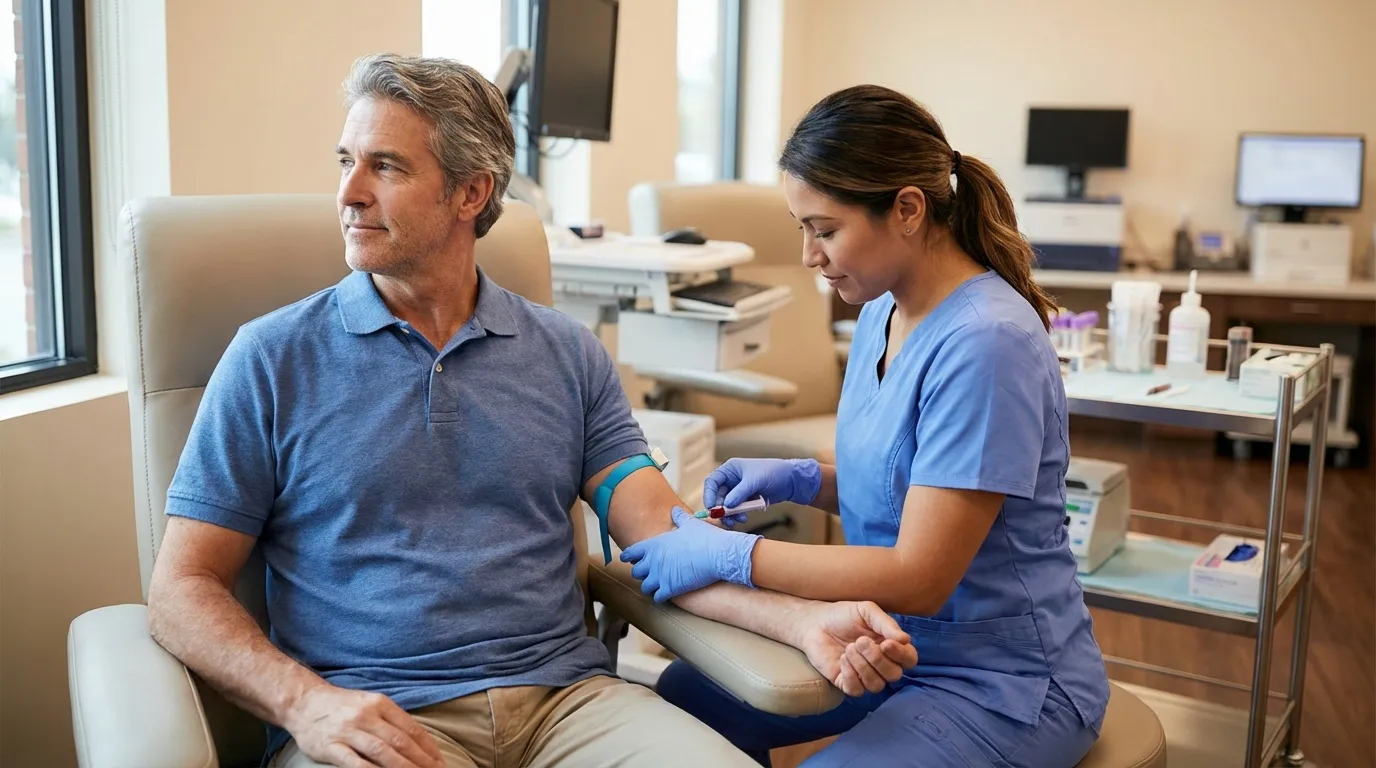
This isn't about perfection — it's about making choices that support your investment in your health. Your TRT provider can run regular bloodwork to catch any issues early. If you haven't had a full hormone panel recently, check out which blood tests you need during TRT to know what to ask for.
Alcohol, Estrogen, and the TRT Side Effect Connection
One of the most clinically relevant interactions between alcohol and TRT involves estrogen. Alcohol upregulates aromatase — an enzyme responsible for converting androgens like testosterone into estradiol. On TRT, you already have higher circulating testosterone, which gives aromatase more substrate to work with. Add regular alcohol consumption, and you may find your estrogen levels climbing faster than expected.
Elevated estrogen in men on TRT can manifest as:
- Water retention and bloating (learn more about TRT water retention)
- Mood fluctuations or irritability
- Reduced libido despite adequate testosterone
- Gynecomastia (breast tissue sensitivity or growth) — see why gynecomastia happens on TRT
- Fatigue and reduced sense of well-being
If you're experiencing any of these symptoms and drink regularly, it's worth having an honest conversation with your provider about your alcohol intake alongside a review of your estradiol (E2) levels. Many men find that simply reducing alcohol frequency brings estrogen back into a comfortable range without needing to adjust their TRT dose or add an aromatase inhibitor.
Your provider may also look at your SHBG levels, as alcohol can influence sex hormone-binding globulin. Understanding what SHBG means for TRT can give you a fuller picture of how your hormones are interacting.
Alcohol's Impact on Liver Health and TRT Delivery Methods
The liver plays a central role in both alcohol metabolism and hormone processing. When the liver is under stress from regular alcohol intake, its ability to metabolize hormones — including estrogen and testosterone — can become compromised. This is especially relevant for men using oral testosterone formulations like Jatenzo or Kyzatrex, which pass through the digestive system and are processed hepatically.
Injectable and topical testosterone formulations (gels, creams, pellets) bypass first-pass liver metabolism, making them somewhat less sensitive to alcohol-related hepatic strain. However, the liver still plays a role in hormone clearance for all delivery methods. Chronic heavy drinking can impair liver enzymes (ALT, AST) and lead to fatty liver disease — a condition that affects hormone balance independent of TRT.
During routine TRT monitoring, your provider will typically check liver function markers. If your labs show elevated liver enzymes alongside regular alcohol use, your provider may recommend reducing intake or adjusting your protocol. This is not a reason to avoid TRT — it's precisely the kind of thing good monitoring is designed to catch and address proactively.
Curious about which TRT delivery method suits your lifestyle? Compare options in our guide to TRT injections vs gel or explore testosterone injections vs pellets for a fuller comparison.
Alcohol, Sleep, and Your TRT Results
One of the most underappreciated ways that alcohol interferes with TRT is through sleep disruption. Testosterone secretion follows a circadian rhythm, with the largest surge occurring during deep sleep — particularly during slow-wave and REM sleep stages. Alcohol, even at moderate doses, is well-documented to suppress REM sleep and fragment sleep architecture in the second half of the night.
For men on TRT, this matters in several ways. First, poor sleep elevates cortisol, which directly opposes testosterone's anabolic and energizing effects. You may have optimal testosterone levels on paper but still feel sluggish, foggy, and unmotivated if cortisol is chronically elevated. Second, disrupted sleep impairs recovery from exercise, undermining one of TRT's most valued benefits — improved body composition and muscle growth.
If you're not getting the results you expected from therapy, alcohol-related sleep disruption could be a hidden factor. Check out our article on TRT and sleep for a deep dive into how the two are connected. And if brain fog is a persistent issue, this piece on TRT and brain fog explores why clarity doesn't always improve overnight.
Practical steps to protect your sleep while drinking socially:
- Stop drinking at least 3 hours before bed
- Hydrate well — alternate alcoholic drinks with water
- Avoid more than 1–2 drinks on nights before important training or early mornings
- Maintain a consistent sleep schedule regardless of weekend social events
Practical Guidelines: Drinking Smarter on TRT
The goal isn't abstinence — it's informed decision-making. Most men on TRT can continue to enjoy alcohol socially without derailing their progress, provided they stay mindful and keep their provider in the loop. Here's how to approach alcohol and TRT in a balanced, sustainable way.
Communicate openly with your provider. Be honest about how much you drink. Your TRT doctor uses this information to interpret your labs accurately and make better recommendations. There's no judgment — just better care.
Track your symptoms. Notice whether heavier drinking correlates with increased water retention, mood dips, lower energy, or reduced libido. Your body often tells you what your labs confirm. If you're experiencing mood issues, read about TRT and depression or TRT and mood swings for more context.
Prioritize lab monitoring. Regular bloodwork is your safety net. If estrogen is creeping up or liver enzymes are elevated, your provider can catch it early and adjust accordingly before it becomes a problem.
Set a personal threshold. Some men find that more than 2 drinks in a sitting visibly affects their energy and mood the next day on TRT. Others notice no difference with occasional moderate drinking. Pay attention to your own response and set a limit that supports your goals.
Time it strategically. If you're going to drink, avoiding alcohol within 24–48 hours of a TRT injection may help minimize any compounding effects on hormone fluctuations, particularly if you notice peaks and troughs in your protocol. Learn more about TRT peaks and troughs.
Ready to find a provider who will give you personalized guidance? Find a TRT clinic near you and get matched with a qualified specialist who understands your full lifestyle picture.

The Bottom Line on Alcohol and TRT
The relationship between alcohol and TRT isn't black-and-white, but the research gives us clear direction. Occasional, moderate drinking is unlikely to significantly undermine your testosterone therapy when you're otherwise following your protocol, monitoring your labs, and maintaining healthy habits. However, frequent heavy drinking can elevate estrogen, stress the liver, fragment sleep, and blunt the benefits you're working toward on TRT.
The most important thing you can do is stay engaged with a knowledgeable provider who monitors your hormone levels, adjusts your protocol as needed, and treats you as an individual — not a one-size-fits-all patient. TRT is an evidence-based, FDA-recognized medical treatment, and like any medical therapy, it works best in the context of a healthy lifestyle.
If you're still exploring whether TRT is right for you, take the free Low T symptom quiz to get a clearer picture of where you stand. Or if you're ready to connect with a specialist, find a TRT clinic near you and take the next step toward feeling your best.
Managing alcohol and TRT smartly is just one piece of optimizing your therapy — but it's a piece that pays real dividends in how you feel, perform, and progress over time.
Sources & References
- Alcohol and the Male Reproductive System — PubMed / National Institute on Alcohol Abuse and Alcoholism [Link]
- Effects of Alcohol on Hormones — PubMed / Alcohol Research & Health [Link]
- Testosterone Therapy in Men With Hypogonadism: An Endocrine Society Clinical Practice Guideline — The Journal of Clinical Endocrinology & Metabolism [Link]
- Alcohol Use and Testosterone Levels — PubMed / Alcohol and Alcoholism [Link]
- Dietary Guidelines for Americans 2020–2025: Alcohol Guidance — U.S. Department of Agriculture / U.S. Department of Health and Human Services [Link]
- Alcohol and Sleep: Effects on Sleep Quality — PubMed / Alcoholism: Clinical and Experimental Research [Link]
- Testosterone Replacement Therapy Overview — Mayo Clinic [Link]
- Aromatase and Estrogen in Men: Clinical Implications — PubMed / Journal of Clinical Endocrinology & Metabolism [Link]
Frequently Asked Questions
Ready to Take the Next Step?
Check your symptoms with our free quiz or browse 2,500+ verified TRT clinics.