Medical Disclaimer
The information on this website is for educational purposes only and is not a substitute for professional medical advice, diagnosis, or treatment. Always consult a qualified healthcare provider before starting any hormone therapy. Individual results may vary. TRTmatch does not provide medical services or prescribe medications.
Key Takeaways
- Low testosterone is closely linked to depressive symptoms through its effects on serotonin, dopamine, cortisol, and sleep regulation.
- Multiple peer-reviewed studies and meta-analyses confirm that TRT can meaningfully reduce depressive symptoms in men with confirmed hypogonadism.
- Symptoms of low testosterone and depression overlap significantly — a full hormonal blood panel is essential for accurate diagnosis.
- Most men with a hormonal basis for their depression notice mood improvements within 4–12 weeks of starting TRT, with fuller benefits developing over 3–6 months.
- TRT works best as part of a holistic treatment approach that may include exercise, sleep optimization, stress management, and professional mental health support.
- Working with a qualified TRT provider who monitors estradiol, dosing, and overall health is key to achieving stable, lasting mood improvements.
The Connection Between TRT and Depression You Shouldn't Ignore
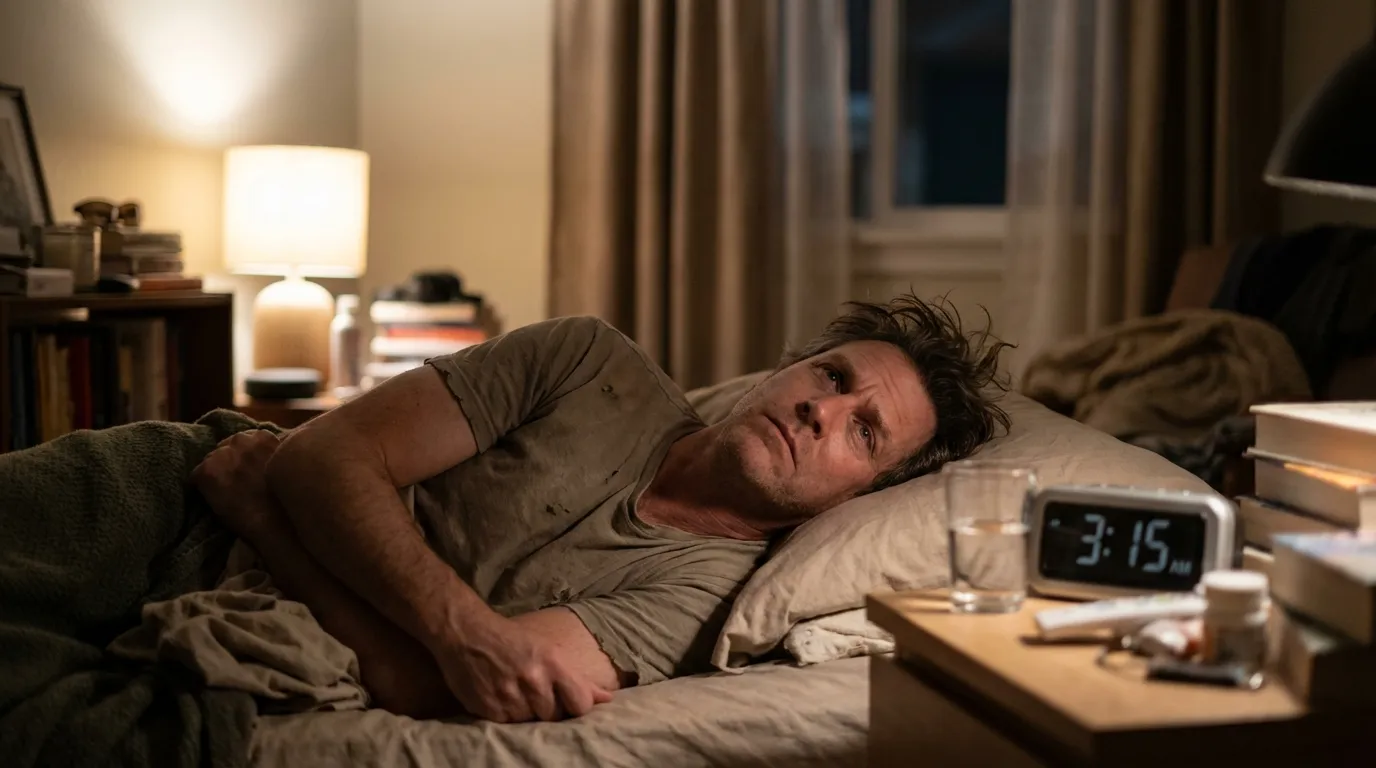
If you've been feeling persistently down, emotionally numb, or just not like yourself, you're not alone — and the cause might be hormonal. The relationship between TRT and depression is one of the most researched and clinically relevant topics in men's health today. Testosterone doesn't just affect muscle and libido; it plays a fundamental role in regulating mood, motivation, and cognitive function. When levels drop below optimal, the psychological consequences can be just as significant as the physical ones.
This article explores what the science says about testosterone and mood, who is most likely to benefit from testosterone replacement therapy, and how to take the right steps toward feeling better. Please note: this content is for educational purposes only and is not a substitute for personalized medical advice. Always consult a qualified healthcare provider before starting or changing any treatment.
If you've been experiencing persistent low mood alongside other symptoms like fatigue, low libido, or brain fog, it's worth checking whether low testosterone could be a contributing factor. You can start by taking the free Low T symptom quiz to get a clearer picture of your symptoms.

How Low Testosterone Affects Mental Health
Testosterone is a neuroactive steroid, meaning it directly influences brain chemistry and function. Androgen receptors are found throughout the central nervous system, including in regions that regulate emotion and stress response — such as the amygdala, hippocampus, and prefrontal cortex. When testosterone levels decline, these brain regions can be affected in ways that contribute to depressive symptoms.
Research published in JAMA Psychiatry found that men with low testosterone were significantly more likely to report symptoms of depression than men with normal levels. A separate meta-analysis in the Journal of Clinical Psychiatry reviewed 27 randomized controlled trials and concluded that testosterone therapy produced a moderate but meaningful reduction in depressive symptoms, particularly in men who were hypogonadal (clinically low in testosterone).
The mechanisms behind this link include several key pathways:
- Serotonin regulation: Testosterone supports the activity of serotonin — the neurotransmitter most closely associated with mood stability and emotional resilience. Low testosterone may reduce serotonin receptor sensitivity, contributing to depressive feelings.
- Dopamine activity: Testosterone influences dopaminergic pathways involved in motivation, reward, and drive. Men with low T often describe a loss of ambition and pleasure — classic hallmarks of depression.
- Cortisol balance: Low testosterone can tip the cortisol-to-testosterone ratio in favor of cortisol, the primary stress hormone, making men more reactive to stressors and emotionally vulnerable.
- Sleep disruption: Low testosterone is strongly associated with poor sleep quality, which in turn amplifies depressive symptoms. You can read more about this in our guide to TRT and sleep.
Understanding these biological pathways helps explain why some men experience a dramatic improvement in mood once their testosterone levels are optimized — not because TRT is an antidepressant in the traditional sense, but because it addresses an underlying hormonal imbalance that was driving their low mood in the first place.
Recognizing the Symptoms: Is It Depression, Low T, or Both?
One of the most challenging aspects of this topic is that the symptoms of low testosterone and clinical depression overlap significantly. Both conditions can cause persistent low mood, fatigue, reduced motivation, irritability, difficulty concentrating, and loss of interest in activities you once enjoyed. This overlap often leads to misdiagnosis — men with undetected low testosterone may be prescribed antidepressants when the underlying issue is hormonal.
That said, it's important to recognize that depression is a complex, multifactorial condition. Low testosterone can be a contributing factor, but it's rarely the sole cause. A thorough evaluation by a qualified provider will consider both possibilities. The key distinguishing factors that may point toward a hormonal component include:
- Low sex drive or erectile dysfunction alongside mood changes — learn more in our article on TRT for erectile dysfunction
- Gradual onset of symptoms over months or years, often coinciding with age-related testosterone decline
- Physical symptoms such as increased body fat, reduced muscle mass, and decreased body hair
- Blood work showing total testosterone below 300 ng/dL or suboptimal free testosterone levels
- Feeling like your antidepressant medication has stopped working as effectively as it once did
If several of these apply to you, it's worth exploring a full hormonal panel. Our guide to 10 signs of low testosterone in men covers the full spectrum of symptoms to watch for. A comprehensive blood test remains the only definitive way to confirm a low testosterone diagnosis — you can learn what to ask for in our article on TRT blood work: which tests you need.

What the Research Says About TRT and Depression
The clinical evidence supporting the use of testosterone therapy for mood improvement has grown substantially over the past two decades. While TRT is not approved by the FDA specifically as an antidepressant, a robust body of research supports its mood-elevating effects in men with documented low testosterone.
A landmark study published in Biological Psychiatry found that testosterone therapy significantly reduced depressive symptoms in middle-aged men with hypogonadism compared to placebo, with improvements seen in as little as six weeks. Another influential trial — the Testosterone Trials (TTrials), a coordinated set of seven studies funded by the National Institutes of Health — found that men receiving testosterone therapy reported improvements in mood, energy, and overall quality of life compared to those receiving placebo.
A 2019 meta-analysis published in JAMA Network Open analyzed 1,890 men across multiple trials and found that testosterone therapy was associated with meaningful reductions in depressive symptom scores, with the greatest benefit seen in men who were the most severely hypogonadal at baseline. Importantly, the study found that effects were most pronounced when testosterone was combined with appropriate monitoring and dosing adjustments — reinforcing the value of working with a knowledgeable provider.
It's also worth noting that some research suggests testosterone may enhance the effectiveness of traditional antidepressants in men with treatment-resistant depression. A study in the American Journal of Psychiatry found that augmenting SSRI therapy with testosterone in hypogonadal men led to greater symptom reduction than antidepressants alone.
The current consensus among endocrinologists and men's health specialists is that TRT can be a meaningful component of a mood management strategy for men with confirmed low testosterone — particularly when depression appears to have a hormonal basis. To understand what results to realistically expect, our article on TRT before and after: real results explained offers helpful context.
How Quickly Can TRT Improve Mood?
One of the most common questions men ask is: how soon will I start to feel better? The honest answer is that it varies, but most men with a clear hormonal component to their depression report noticeable mood improvements within four to twelve weeks of starting TRT. Some experience an uplift in energy and motivation within the first few weeks, while deeper emotional improvements — such as reduced anxiety, improved emotional resilience, and a more stable sense of wellbeing — often develop more gradually over three to six months.
The timeline depends on several factors, including the severity of testosterone deficiency, the delivery method used (injections tend to produce faster initial results than gels or patches), the dose prescribed, and individual variation in how the brain responds to hormonal changes. Our comprehensive guide on how long does TRT take to work breaks down the typical timeline across all symptom categories.
It's also important to have realistic expectations. TRT is not a mood cure-all, and it works best as part of a holistic approach that may include exercise, improved sleep habits, stress management, and in some cases, psychotherapy or medication. Men who approach TRT with this broader mindset tend to report the most satisfying outcomes.
Factors That Influence Mood Response to TRT
- Baseline testosterone level: Men with the lowest starting levels typically see the most dramatic mood improvements.
- Estradiol balance: Testosterone converts to estrogen in the body, and optimal estrogen levels are important for mood. If estrogen goes too high or too low, mood can worsen. A good provider will monitor this closely — see our guide on estradiol in men on TRT.
- Treatment consistency: Consistent dosing avoids the hormonal peaks and troughs that can destabilize mood.
- Addressing co-existing conditions: Sleep apnea, thyroid dysfunction, and nutritional deficiencies can all blunt TRT's mood benefits and should be addressed concurrently.
Managing Expectations: When TRT May Not Be Enough
While the evidence for TRT's mood-enhancing effects is encouraging, it's important to be clear: not every man with depression will find complete relief through testosterone therapy alone. Depression is a spectrum condition influenced by genetics, life circumstances, psychological patterns, and neurochemical factors that extend beyond testosterone.
Men with moderate-to-severe major depressive disorder, a personal or family history of bipolar disorder, or depression rooted primarily in psychological trauma or situational stressors may need a more comprehensive treatment plan. In these cases, TRT may play a supportive role rather than a primary one — and that's perfectly valid. A thoughtful provider will help you understand where testosterone fits into your overall mental health picture.
It's also worth noting that some men experience a temporary dip in mood during the early adjustment period of TRT, particularly if estrogen levels fluctuate. This is normal and manageable. Our overview of TRT side effects: what to expect and how to manage them explains how qualified providers address these transitional symptoms. The key is regular monitoring and open communication with your provider — adjustments to dosing or delivery method can make a significant difference in how you feel.
If you're weighing all your options, our article on is TRT worth it? pros, cons and real experiences offers a balanced perspective from men who have gone through the process.
How to Get Started: Finding the Right TRT Provider
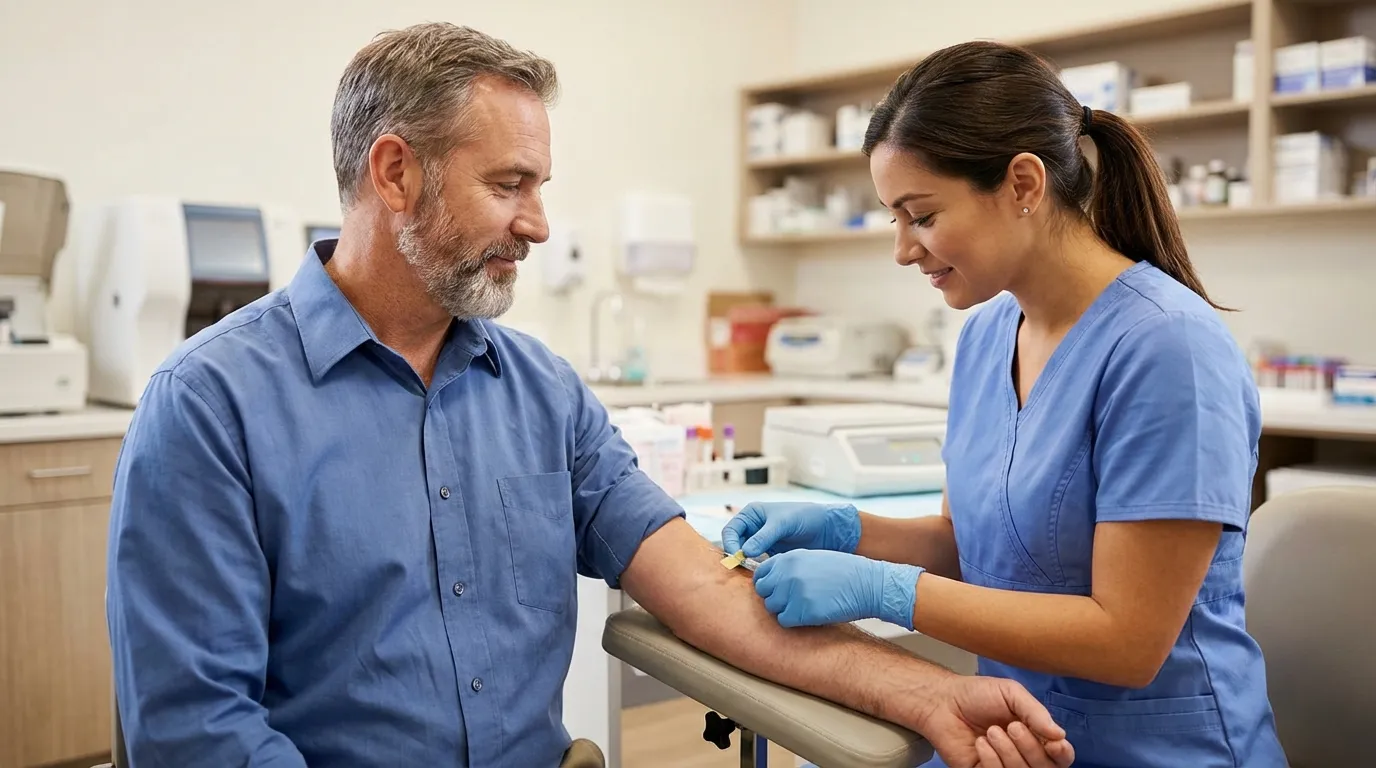
If the information in this article resonates with your experience, the most important next step is speaking with a qualified TRT provider — not guessing at solutions on your own. A proper evaluation includes a thorough review of your symptoms, a complete hormonal blood panel, and a discussion of your health history to determine whether TRT is appropriate for you.
The right provider will not only confirm whether your testosterone is low, but will also screen for conditions that could affect your treatment plan, such as sleep apnea, cardiovascular risk factors, or prostate health concerns. This is what separates responsible TRT care from shortcuts. Our guide on how to find a TRT doctor walks you through the process step by step, including what to look for in a clinic and what questions to ask at your first appointment.
If you're ready to find a provider in your area, find a TRT clinic near you using our comprehensive directory. We list vetted clinics across the country, including options in high-demand areas like TRT clinics in Texas, TRT clinics in California, and TRT clinics in Florida. Alternatively, you can explore best online TRT clinics if you prefer a telehealth approach.
Not sure where to begin? Start with our free Low T symptom quiz — it takes just a few minutes and can help you identify whether your symptoms align with a hormonal deficiency worth investigating further.
TRT and Depression: The Bottom Line
The connection between trt and depression is backed by a growing body of scientific evidence and understood within a clear biological framework. Testosterone plays a meaningful role in brain chemistry, mood regulation, and emotional resilience — and when levels fall below optimal, psychological symptoms are a natural consequence for many men.
The encouraging news is that for men with confirmed low testosterone, TRT offers a well-studied, clinically validated path toward improved mood and quality of life. This isn't an experimental approach — it's an established medical therapy that, when properly administered and monitored, can help men feel like themselves again. The research consistently shows that men who work with knowledgeable, attentive providers get the best outcomes.
If you've been struggling with low mood, fatigue, and the sense that something is hormonally off, you don't have to accept that as your new normal. Testosterone replacement therapy may be part of the answer — and the first step is simply getting the right information and the right support. With qualified guidance and a personalized treatment plan, the path back to feeling well is more accessible than you might think.
Sources & References
- Testosterone Therapy and Depressive Symptoms: A Meta-Analysis — JAMA Network Open [Link]
- The Testosterone Trials: A Coordinated Set of Studies in Older Men with Low Testosterone — New England Journal of Medicine [Link]
- Testosterone and Depression: Systematic Review and Meta-Analysis — Journal of Clinical Psychiatry [Link]
- Low Testosterone and Depression in Men — Mayo Clinic [Link]
- Testosterone Deficiency: A Common Cause of Depression? — Biological Psychiatry [Link]
- Androgen Deficiency in Men: Clinical Features and Diagnosis — Endocrine Society [Link]
- Testosterone Augmentation in the Treatment of Depression — American Journal of Psychiatry [Link]
Frequently Asked Questions
Ready to Take the Next Step?
Check your symptoms with our free quiz or browse 2,500+ verified TRT clinics.