
Medical Disclaimer
The information on this website is for educational purposes only and is not a substitute for professional medical advice, diagnosis, or treatment. Always consult a qualified healthcare provider before starting any hormone therapy. Individual results may vary. TRTmatch does not provide medical services or prescribe medications.
Key Takeaways
- Most men notice early improvements in energy, mood, and libido within the first 2–4 weeks of TRT, with more substantial physical changes appearing over months 3–12.
- Body composition changes — including increased lean muscle mass and reduced body fat — are among the most well-documented long-term benefits of TRT in hypogonadal men.
- TRT side effects such as elevated hematocrit or estrogen-related symptoms are well-understood and manageable with proper monitoring and dose adjustments by a qualified provider.
- Results vary based on baseline testosterone levels, SHBG, protocol quality, lifestyle habits, and individual health status — making provider quality the single most important factor.
- The landmark TRAVERSE trial (2023) found that TRT in hypogonadal men was non-inferior to placebo for major cardiovascular events, providing important safety reassurance.
- Getting accurate baseline bloodwork — including total testosterone, free testosterone, SHBG, and estradiol — is the essential first step before starting any TRT protocol.
If you've been searching for honest information about what trt before and after looks like in real life, you're not alone. Millions of men experience the gradual, frustrating decline that comes with low testosterone — fatigue that no amount of sleep fixes, a libido that's gone quiet, muscle that seems to disappear no matter how hard you train, and a mood that's harder to shake than a cold. Testosterone replacement therapy (TRT) is an FDA-recognized treatment designed to address exactly these issues, and the results — when managed by a qualified provider — can be genuinely life-changing.
Medical disclaimer: This article is for educational purposes only and does not constitute medical advice. Always consult a licensed healthcare provider before starting, stopping, or changing any medical treatment. Individual results vary based on age, baseline hormone levels, health status, and treatment protocol.
This guide walks you through what the science and real-world experience say about TRT outcomes — broken down by timeline, symptom category, and what you can realistically expect at each stage. If you're still unsure whether your symptoms point to low testosterone, take the free Low T symptom quiz to get a clearer picture before your first appointment.
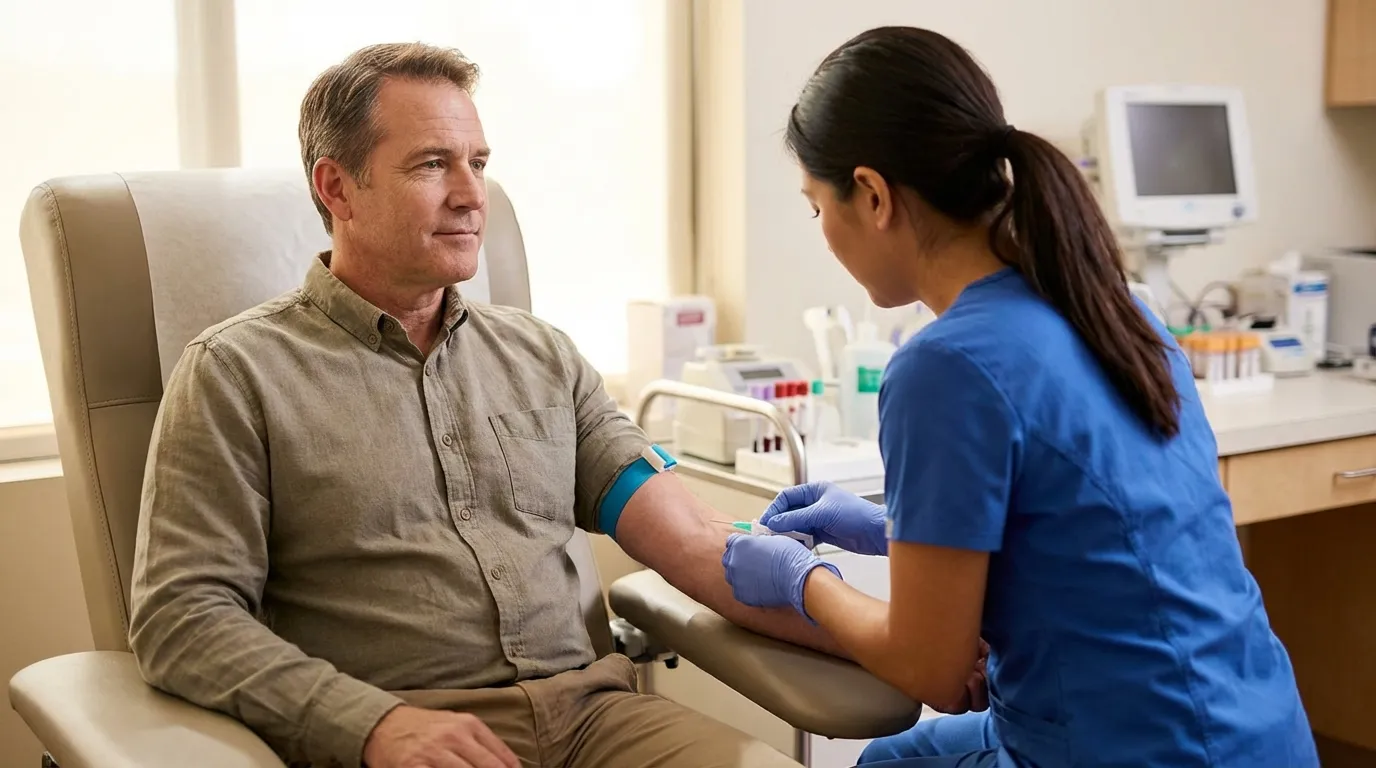
What Is TRT and Who Is It For?
Testosterone replacement therapy is a medically supervised treatment that restores testosterone levels in men who have clinically low concentrations — typically defined as total testosterone below 300 ng/dL, combined with symptoms that affect quality of life. It is not a performance-enhancing shortcut; it is a treatment for a recognized medical condition called hypogonadism.
TRT is available in several delivery formats, each with its own absorption profile and practical considerations. The most common options include weekly or twice-weekly intramuscular or subcutaneous injections, daily topical gels, transdermal patches, and long-acting pellets inserted under the skin every three to six months. Your provider will match the format to your lifestyle, preferences, and clinical picture. If you want a deeper look at how the options compare, see our guide on TRT Injections vs Gel: Which Is Better?
Good candidates for TRT typically have:
- Two fasting morning blood tests confirming low testosterone levels
- Symptoms consistent with hypogonadism (fatigue, low libido, poor concentration, reduced muscle mass, mood changes)
- No contraindications such as untreated prostate cancer or certain blood disorders
- A willingness to commit to ongoing monitoring and follow-up appointments
Understanding your baseline is the first step. If you haven't had labs done yet, our article on the Testosterone Blood Test Explained (Total vs Free) will tell you exactly what to ask for. For a full overview of the therapy itself, visit What Is Testosterone Replacement Therapy (TRT)?
TRT Before and After: What Changes in the First 4 Weeks
The early phase of testosterone replacement therapy is often characterized by subtle but meaningful shifts. Most men don't wake up after their first injection feeling like a different person — and that's completely normal. The body needs time to absorb, convert, and respond to restored hormone levels. That said, many men report noticeable changes within the first two to four weeks, particularly in areas directly tied to testosterone's fastest-acting effects.
Energy and Sleep in the First Month
One of the first improvements many men notice is a reduction in that heavy, bone-deep fatigue that characterized their pre-treatment days. Testosterone plays a role in mitochondrial function and red blood cell production, both of which influence energy levels. Some men also report improved sleep quality during this early period, which in turn amplifies the energy gains. For a deeper look at the sleep connection, see TRT and Sleep: Does Testosterone Improve Sleep?
Mood Shifts
Mood changes — particularly a reduction in irritability and a lift in overall emotional tone — are often among the earliest reported benefits. Research published in the Journal of Clinical Endocrinology and Metabolism has found that testosterone has measurable effects on dopamine and serotonin pathways, which helps explain why mood often improves before physical changes become visible.
Libido
Sexual desire frequently begins to reawaken in weeks two through four for many men. This is one of testosterone's most direct effects, and the response in this window can be a useful early indicator that the therapy is working. For a full breakdown of what to expect, read TRT for Low Libido: Does It Work?
It's worth noting that estradiol (E2) also begins to rise during this period as some testosterone converts via aromatization. Monitoring E2 is a standard part of well-managed TRT. Learn more at Estradiol (E2) in Men on TRT: What You Need to Know.
Months 1–3: The Transformation Builds
By the end of the third month, most men on a well-calibrated TRT protocol have moved well past the early adjustment phase and are beginning to see more substantial physical and psychological changes. This is the window where body composition starts to shift in ways that are visible and measurable.
Research consistently shows that lean muscle mass begins to increase and fat mass — particularly visceral abdominal fat — begins to decrease during this period. A 2013 meta-analysis published in the European Journal of Endocrinology, covering 51 randomized trials, found that TRT significantly reduced fat mass and increased lean body mass in men with hypogonadism. These results don't require hours in the gym, though combining TRT with resistance training does accelerate and amplify the changes considerably. For what to realistically expect in the gym, read TRT and Muscle Growth: What to Expect.
Cognitive improvements also tend to become more pronounced in this window. Many men describe clearer thinking, better working memory, and improved ability to focus — sometimes referred to as lifting the "brain fog" associated with low testosterone. Studies have linked testosterone deficiency to impaired spatial cognition and verbal memory, and restoration of normal levels appears to partially reverse these effects.
Sexual function — including not just desire but also erectile quality — often continues to improve. Bone mineral density begins a slower upward trajectory that won't be fully measurable for six to twelve months. Body hair patterns may begin to shift, and some men notice increased skin oiliness as sebaceous glands respond to rising androgen levels.
During this phase, your provider should be running follow-up labs to check total and free testosterone, estradiol, hematocrit, and PSA. Dose adjustments are common and expected — this is a process of individualized calibration, not a one-size-fits-all prescription. If you want to understand what those numbers mean, see Free vs Total Testosterone: What Really Matters?

Months 3–12: Full Results and Long-Term Stabilization
The six-to-twelve month window is where the most comprehensive picture of your TRT before and after transformation comes into focus. By this point, hormone levels have stabilized, the body has fully adapted to the new hormonal environment, and the cumulative benefits across multiple systems are measurable and often dramatic relative to the pre-treatment baseline.
Body Composition at 6–12 Months
Studies tracking men on TRT for twelve months report average lean mass gains of two to five kilograms and average fat mass reductions of one to three kilograms, with larger effects in men who were more severely hypogonadal at baseline. Waist circumference — a key marker of cardiometabolic risk — has been shown to decrease meaningfully in men who maintain TRT long-term combined with healthy lifestyle habits. Our article on TRT and Weight Loss: Can It Help You Burn Fat? goes deeper on the fat-loss mechanisms.
Cardiovascular and Metabolic Markers
Longer-term TRT use in properly screened men has been associated with improvements in insulin sensitivity, fasting glucose, and lipid profiles in several observational studies. The large-scale TRAVERSE trial, published in the New England Journal of Medicine in 2023, found that testosterone therapy in middle-aged and older men with hypogonadism was non-inferior to placebo for major cardiovascular events, providing important reassurance for men and their providers evaluating cardiovascular considerations.
Bone Density
Bone mineral density increases measurably after twelve or more months of therapy, particularly at the lumbar spine and femoral neck. This is a clinically important finding given that hypogonadism is a recognized risk factor for osteoporosis in men.
Psychological Well-Being
By the twelve-month mark, many men describe the psychological dimension of their TRT transformation as the most significant aspect. Sustained improvements in motivation, emotional resilience, sense of purpose, and sexual confidence are frequently reported in qualitative research and patient surveys. These aren't trivial quality-of-life gains — they reflect the broad neurological role that testosterone plays across the male lifespan.
TRT Before and After: A Timeline Summary
The table below summarizes what research and clinical experience suggest about the typical timing of TRT results across key symptom areas. Individual timelines vary based on starting testosterone levels, dosing protocol, age, and overall health.
| Symptom or Outcome | When Improvement Typically Begins | When Full Effect Is Often Seen |
|---|---|---|
| Energy and fatigue | 2–4 weeks | 3–6 months |
| Mood and motivation | 2–4 weeks | 3–6 months |
| Libido (sex drive) | 2–6 weeks | 3–6 months |
| Erectile function | 4–12 weeks | 6–12 months |
| Muscle mass and strength | 6–12 weeks | 12+ months |
| Fat reduction | 8–12 weeks | 12+ months |
| Cognitive function | 4–8 weeks | 3–6 months |
| Bone mineral density | 6–12 months | 12–24+ months |
For a more detailed breakdown by timeline, visit our dedicated article: How Long Does TRT Take to Work?
Understanding the Side Effects — and How They're Managed
An honest trt before and after conversation has to include the side effects that some men experience, presented in their proper context. The good news is that the vast majority of TRT side effects are well-understood, predictable, and manageable when therapy is supervised by a qualified provider who monitors your labs regularly.
The most commonly discussed side effects include:
- Elevated hematocrit (thickening of the blood): TRT stimulates red blood cell production, which can raise hematocrit in some men. This is monitored with routine bloodwork, and if levels rise above a safe threshold, your provider may adjust your dose, change your delivery method, or recommend therapeutic phlebotomy. It is not a reason to avoid TRT — it is a reason to have regular monitoring.
- Testicular atrophy and fertility changes: Exogenous testosterone suppresses the body's own production signal, which can reduce testicular size and sperm production in some men. Men concerned about fertility have options including human chorionic gonadotropin (hCG) co-therapy. This is a manageable consideration, not a barrier.
- Estrogen-related symptoms: As testosterone converts to estradiol, some men may experience water retention, mood sensitivity, or breast tissue sensitivity. These symptoms are typically addressed by monitoring E2 levels and, if clinically indicated, using an aromatase inhibitor at a carefully titrated dose.
- Acne or oily skin: Increased sebaceous gland activity affects some men, particularly in the early months. This usually resolves or can be managed with standard skincare approaches.
- Sleep apnea considerations: TRT may worsen sleep apnea in men who already have the condition. A qualified provider will screen for sleep-disordered breathing before initiating therapy and will monitor for any worsening symptoms. For men with controlled sleep apnea, TRT can often proceed safely with appropriate oversight.
For a comprehensive and balanced overview, see our guide on TRT Side Effects: What to Expect (And How to Manage Them). The key message is this: side effects are real but manageable. The right provider doesn't just hand you a prescription — they track your labs, adjust your protocol, and catch issues before they become problems.

What Affects Your TRT Results?
Not every man sees identical results from testosterone replacement therapy, and understanding the variables that influence outcomes helps set realistic expectations and empowers you to optimize your experience.
Baseline Testosterone Level
Men with more significantly suppressed testosterone at baseline tend to experience more dramatic improvements. If your pre-treatment level was 150 ng/dL versus 280 ng/dL, the delta — and therefore the subjective experience of change — will be considerably larger. This is why accurate baseline testing matters so much. See Testosterone Levels by Age (Full Chart + Explained) to understand where your numbers fall.
Protocol Quality and Dosing Precision
The delivery method, dose, and frequency of your TRT protocol significantly shape your results. Injections administered too infrequently can create hormone peaks and troughs that cause mood swings and variable energy. Gels may not absorb consistently in all men. A provider who individualizes your protocol and adjusts based on your labs — not just a fixed template — will get you better results.
Lifestyle Factors
TRT is not a substitute for healthy habits — it's a complement to them. Men who combine therapy with regular resistance training, adequate sleep, and sound nutrition consistently report better body composition outcomes than those who rely on TRT alone. Think of it as unlocking your potential, not replacing the effort.
SHBG Levels
Sex hormone-binding globulin (SHBG) affects how much of your testosterone is biologically active. High SHBG can blunt results even when total testosterone looks good on paper. Your provider should always check SHBG as part of your workup. Read more at What Is SHBG and Why It Matters for TRT.
Age and Comorbidities
Younger men with primary hypogonadism and no other conditions often see rapid, robust responses. Older men with metabolic syndrome, obesity, or other chronic conditions may see a more gradual improvement trajectory, though meaningful gains are still well-documented in clinical research across all age groups.
How to Find the Right TRT Provider
The single most important factor in your trt before and after outcome isn't the brand of testosterone you use or even the exact starting dose — it's the quality of the provider managing your care. TRT done well is individualized, monitored, and adjusted over time. TRT done poorly is a fixed-dose script with no follow-up.
A qualified TRT provider will:
- Order comprehensive baseline bloodwork including total and free testosterone, SHBG, LH, FSH, estradiol, hematocrit, PSA, and a full metabolic panel
- Take a thorough symptom and medical history before recommending treatment
- Discuss realistic timelines, expected benefits, and potential side effects in an honest, balanced way
- Schedule regular monitoring appointments (typically at 6–12 weeks post-initiation and every 3–6 months thereafter)
- Adjust your protocol based on labs and how you feel, not just one number
To understand what your first appointment should look like, read Your First TRT Consultation: What to Expect. For help locating a provider, visit our clinic directory to find a TRT clinic near you — or browse by state if you're in Texas, California, or Florida. You can also use our step-by-step guide: How to Find a TRT Doctor (Step-by-Step Guide).
For a balanced look at the full value proposition of therapy, including real patient perspectives, visit Is TRT Worth It? Pros, Cons & Real Experiences.
The Bottom Line on TRT Before and After
The trt before and after journey is not a single moment — it's a process that unfolds over weeks, months, and years. Early wins in energy, mood, and libido build into longer-term changes in body composition, metabolic health, bone density, and overall quality of life. The research is clear that when TRT is indicated and properly managed, it delivers real, measurable, and meaningful improvements across multiple dimensions of male health.
No two men's journeys look exactly the same. Your results will depend on your baseline levels, your protocol, your lifestyle, and the quality of your provider. But the foundation is the same for everyone: accurate diagnosis, thoughtful treatment, and ongoing monitoring by a professional who takes your long-term health seriously.
If you're recognizing yourself in the symptoms described in this article, the next step is getting clarity. Take the free Low T symptom quiz to assess your symptoms, then connect with a qualified provider who can order the right labs and walk you through your options. The trt before and after transformation that thousands of men describe starts with a single, well-informed decision to find out where you actually stand.
Sources & References
- Testosterone Therapy in Men With Hypogonadism: An Endocrine Society Clinical Practice Guideline — Journal of Clinical Endocrinology & Metabolism [Link]
- Cardiovascular Safety of Testosterone-Replacement Therapy (TRAVERSE Trial) — New England Journal of Medicine [Link]
- Effect of Testosterone Treatment on Body Composition and Muscle Strength in Men Over 65 Years of Age — Journal of Clinical Endocrinology & Metabolism / PubMed [Link]
- Testosterone and the Cardiovascular System: A Comprehensive Review of the Clinical Literature — Journal of the American Heart Association / PubMed [Link]
- Testosterone Deficiency: AUA Guideline — American Urological Association [Link]
- Testosterone Therapy Overview — Mayo Clinic [Link]
- Effects of Testosterone Supplementation in the Aging Male — European Journal of Endocrinology / PubMed [Link]
Frequently Asked Questions
Ready to Take the Next Step?
Check your symptoms with our free quiz or browse 2,500+ verified TRT clinics.