Medical Disclaimer
The information on this website is for educational purposes only and is not a substitute for professional medical advice, diagnosis, or treatment. Always consult a qualified healthcare provider before starting any hormone therapy. Individual results may vary. TRTmatch does not provide medical services or prescribe medications.
Key Takeaways
- Low testosterone promotes fat storage, reduces muscle mass, and slows metabolism — making weight loss significantly harder for affected men.
- Clinical research shows TRT reduces visceral fat mass and increases lean muscle in men with confirmed hypogonadism, with measurable improvements typically seen within 3–6 months.
- TRT preferentially targets visceral (abdominal) fat — the most metabolically harmful type — which is strongly associated with low testosterone levels in men.
- The combination of TRT with resistance training and adequate protein intake produces the most significant body composition improvements.
- TRT is prescribed for men with clinically confirmed low testosterone — a thorough blood panel and medical evaluation are required before starting therapy.
- Side effects like water retention and estrogen fluctuations are manageable with proper medical supervision and regular lab monitoring.
If you're eating right, hitting the gym, and still can't seem to shed stubborn fat — especially around the belly — low testosterone may be playing a bigger role than you realize. The connection between trt and weight loss is one of the most common questions men ask when they start researching testosterone replacement therapy, and for good reason. Research shows that testosterone directly influences how your body stores fat, builds muscle, and regulates metabolism.
Disclaimer: This article is for educational purposes only and does not constitute medical advice. Always consult a qualified healthcare provider before starting any hormone therapy.
In this guide, we'll break down the science behind testosterone and fat loss, what kind of results men actually experience on TRT, what you can do to maximize those results, and how to find a provider who can help you get started safely. If you're noticing symptoms that go beyond the scale, you might also want to learn about the 10 signs of low testosterone in men to see whether other symptoms match your experience.

Why Low Testosterone Makes It Harder to Lose Weight
Before exploring how TRT helps, it's worth understanding why low testosterone works against fat loss in the first place. Testosterone is not just a sex hormone — it's a metabolic regulator that plays a central role in body composition.
When testosterone levels drop, several things happen simultaneously that make weight management significantly harder:
- Reduced muscle mass: Testosterone is anabolic — it drives muscle protein synthesis. Less testosterone means less muscle, and less muscle means a slower resting metabolic rate. Your body simply burns fewer calories at rest.
- Increased fat storage: Low testosterone is associated with increased activity of lipoprotein lipase, an enzyme that promotes fat storage — particularly visceral fat (the deep abdominal fat that surrounds your organs).
- Insulin resistance: Studies have linked low testosterone to impaired insulin sensitivity, which can promote fat accumulation and make it harder for the body to use glucose efficiently.
- Fatigue and low motivation: When you feel exhausted and unmotivated — common symptoms of low T — your drive to exercise consistently drops, compounding the problem over time.
- Elevated estrogen: Fat tissue converts testosterone into estrogen through a process called aromatization. More fat means more estrogen conversion, which in turn further suppresses testosterone — a self-reinforcing cycle.
Research published in the journal Obesity Reviews found that men with low testosterone had significantly higher rates of obesity and metabolic syndrome compared to men with normal levels. The relationship is bidirectional: low T promotes fat gain, and excess fat suppresses testosterone further.
If you're over 40 and noticing these patterns, it's worth reading more about low testosterone symptoms after 40 and what's considered normal. Understanding where your levels stand is the essential first step.
How TRT and Weight Loss Are Scientifically Linked
The relationship between trt and weight loss is backed by a growing body of clinical evidence. Multiple studies have examined how restoring testosterone to healthy physiological levels affects body composition — and the results are consistently encouraging for men with clinically low testosterone.
One of the most significant long-term studies, published in the journal Obesity (2013), followed 411 men on TRT for up to five years. The men lost an average of 35 pounds and reduced their waist circumference by over 3 inches. These results weren't achieved through TRT alone — participants also made lifestyle changes — but the hormonal optimization appeared to be a meaningful catalyst.
A meta-analysis published in the European Journal of Endocrinology reviewed 59 randomized controlled trials involving testosterone therapy and found consistent reductions in fat mass and improvements in lean muscle mass across multiple populations of hypogonadal men.
Here's a summary of what the research shows TRT can do for body composition:
| Outcome | What Research Shows | Timeframe |
|---|---|---|
| Reduction in fat mass | Average 1.6–3 kg reduction in fat mass | 3–12 months |
| Increase in lean muscle | Average 1.6–2 kg increase in lean body mass | 3–6 months |
| Waist circumference | Reduction of 2–4 cm on average | 6–12 months |
| Insulin sensitivity | Improved in men with metabolic syndrome | 3–6 months |
It's important to understand that TRT is not a standalone fat-loss drug. It works by restoring a hormonal environment that makes fat loss more achievable — particularly when paired with consistent exercise and sensible nutrition. Think of it as removing a major biological obstacle that was working against your efforts.
To understand how long TRT takes to work and when you can expect to see these changes, it helps to have realistic expectations going in.
What Type of Fat Does TRT Target?
Not all body fat is equal, and this is where testosterone therapy shows some of its most clinically meaningful effects. TRT appears to preferentially reduce visceral fat — the metabolically active fat stored deep in the abdominal cavity around your organs — rather than subcutaneous fat (the fat just beneath the skin).
This distinction matters enormously for your health. Visceral fat is far more metabolically harmful than subcutaneous fat. It's associated with:
- Increased risk of type 2 diabetes
- Elevated cardiovascular risk markers
- Chronic low-grade inflammation
- Impaired liver function and fatty liver disease
- Higher circulating estrogen in men (due to aromatase activity in fat cells)
A study published in the Journal of Clinical Endocrinology and Metabolism found that testosterone therapy in hypogonadal men led to significant reductions in visceral adipose tissue, independent of changes in diet or exercise. The mechanisms appear to involve testosterone's direct effects on fat cell metabolism, as well as its role in promoting mitochondrial function and fat oxidation.
For men with a classic "beer belly" appearance — where most of the excess weight sits around the midsection — TRT may produce particularly noticeable improvements. This is the exact type of fat distribution most strongly associated with low testosterone, making it the most responsive to hormonal normalization.
If you're curious about what kind of physical transformation men actually experience, take a look at TRT before and after: real results explained for a realistic picture of what's achievable.
TRT and Muscle Growth: The Fat Loss Multiplier
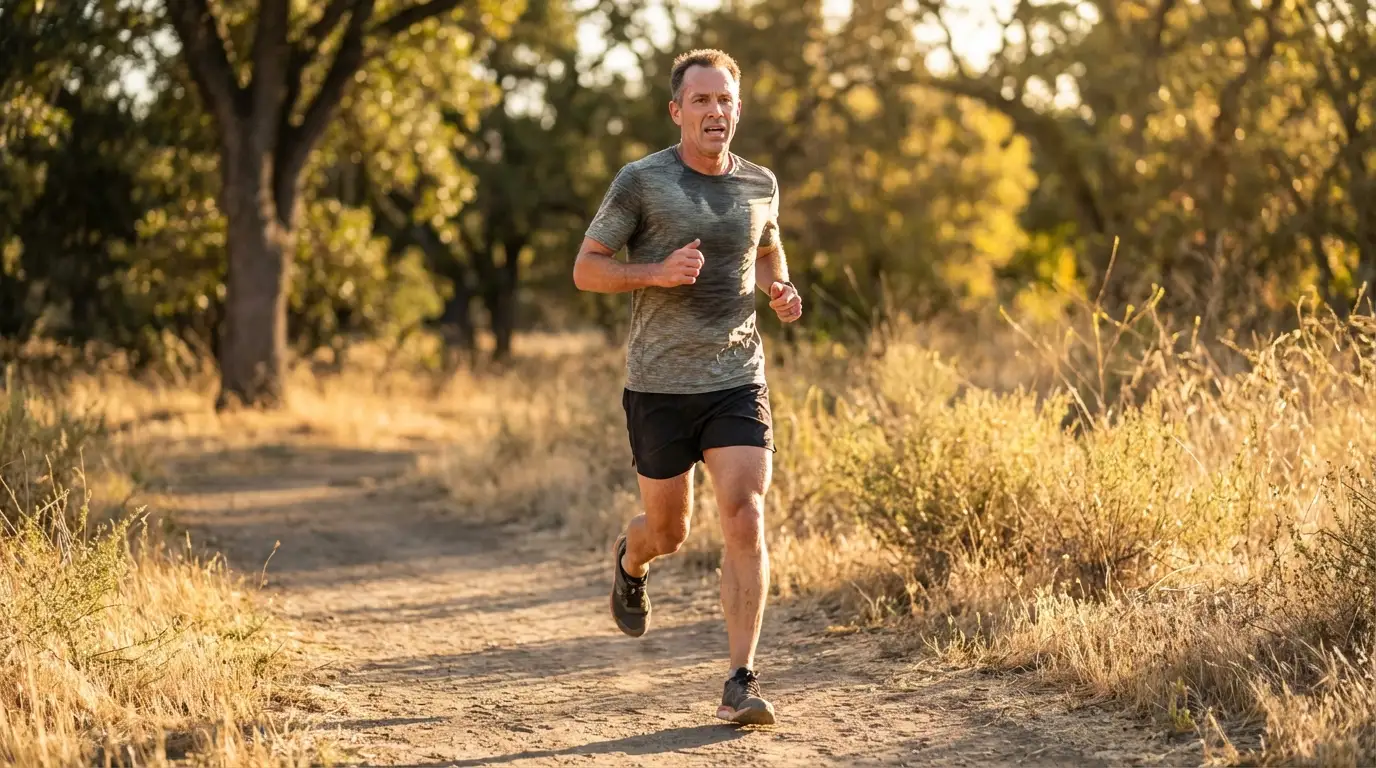
One of the most powerful ways trt and weight loss work together is through the building of lean muscle mass. This is the often-overlooked multiplier effect: when TRT helps you build more muscle, that additional muscle raises your basal metabolic rate, causing your body to burn more calories even while you're resting.
Testosterone is the primary anabolic hormone in men. It stimulates the satellite cells that repair and grow muscle fibers, increases protein synthesis within muscle tissue, and reduces muscle protein breakdown. When levels are restored to a healthy physiological range, men typically experience a meaningful increase in strength and muscle-building capacity — especially when combined with resistance training.
Consider the math: adding just 5 pounds of lean muscle can increase your resting metabolic rate by approximately 35–50 calories per day. Over the course of a year, that adds up to over 12,000 additional calories burned — roughly equivalent to 3.5 pounds of fat — without any additional effort.
For a deeper dive into the muscle-building side of the equation, read our article on TRT and muscle growth: what to expect. Understanding both sides — fat loss and muscle gain — gives you the full picture of how body composition changes on therapy.
Men who combine TRT with a structured resistance training program and adequate protein intake consistently report the most dramatic improvements in body composition. TRT isn't magic, but it can be the factor that finally allows your hard work in the gym to translate into visible, measurable results.
How to Maximize Fat Loss on TRT
Getting the most out of trt and weight loss requires more than just starting therapy. Men who see the best body composition results approach TRT as part of a broader lifestyle strategy. Here are the key factors that amplify testosterone's fat-burning effects:
Prioritize Resistance Training
Lifting weights is the single most powerful complement to TRT for fat loss. Resistance training increases muscle mass (raising your metabolic rate), improves insulin sensitivity, and works synergistically with elevated testosterone to drive body recomposition. Aim for 3–4 sessions per week targeting all major muscle groups. You don't need to train like a competitive bodybuilder — consistent, progressive strength training is enough to see meaningful results.
Optimize Protein Intake
Testosterone promotes muscle protein synthesis, but it needs adequate raw material to work with. Most men benefit from consuming 0.7–1.0 grams of protein per pound of body weight per day. Prioritize lean protein sources like chicken, fish, eggs, Greek yogurt, and legumes. Distributing protein across 3–4 meals throughout the day maximizes muscle protein synthesis throughout the day.
Address Sleep Quality
Poor sleep is one of the fastest ways to undermine both testosterone levels and fat loss efforts. Growth hormone — which is released primarily during deep sleep — plays a key role in fat metabolism. Men sleeping fewer than 6 hours per night show measurably lower testosterone levels and impaired fat oxidation. Aim for 7–9 hours of quality sleep. Interestingly, TRT itself may improve sleep quality for some men — learn more in our article on TRT and sleep: does testosterone improve sleep.
Manage Estrogen Levels
On TRT, some men experience elevated estrogen levels due to aromatization of testosterone into estradiol. Elevated estrogen can promote fat storage, water retention, and blunt fat loss. A qualified TRT provider will monitor your estrogen levels and adjust your protocol if needed — sometimes including an aromatase inhibitor. Read more about estradiol in men on TRT and what you need to know to understand this important variable.
Stay Consistent with Therapy
Body composition changes on TRT are gradual and cumulative. Most men don't see dramatic fat loss in the first month — significant changes typically become visible between months 3 and 6, with continued improvements over 12 months and beyond. Consistency with your prescribed protocol, monitoring appointments, and lifestyle habits is what drives long-term success.
Is TRT Right for You? What to Consider First
TRT is a clinically established, FDA-recognized therapy — but it's prescribed specifically for men with clinically low testosterone levels, confirmed through blood testing. Not every man struggling to lose weight has low T, and TRT is not a weight loss drug for men with normal hormone levels.
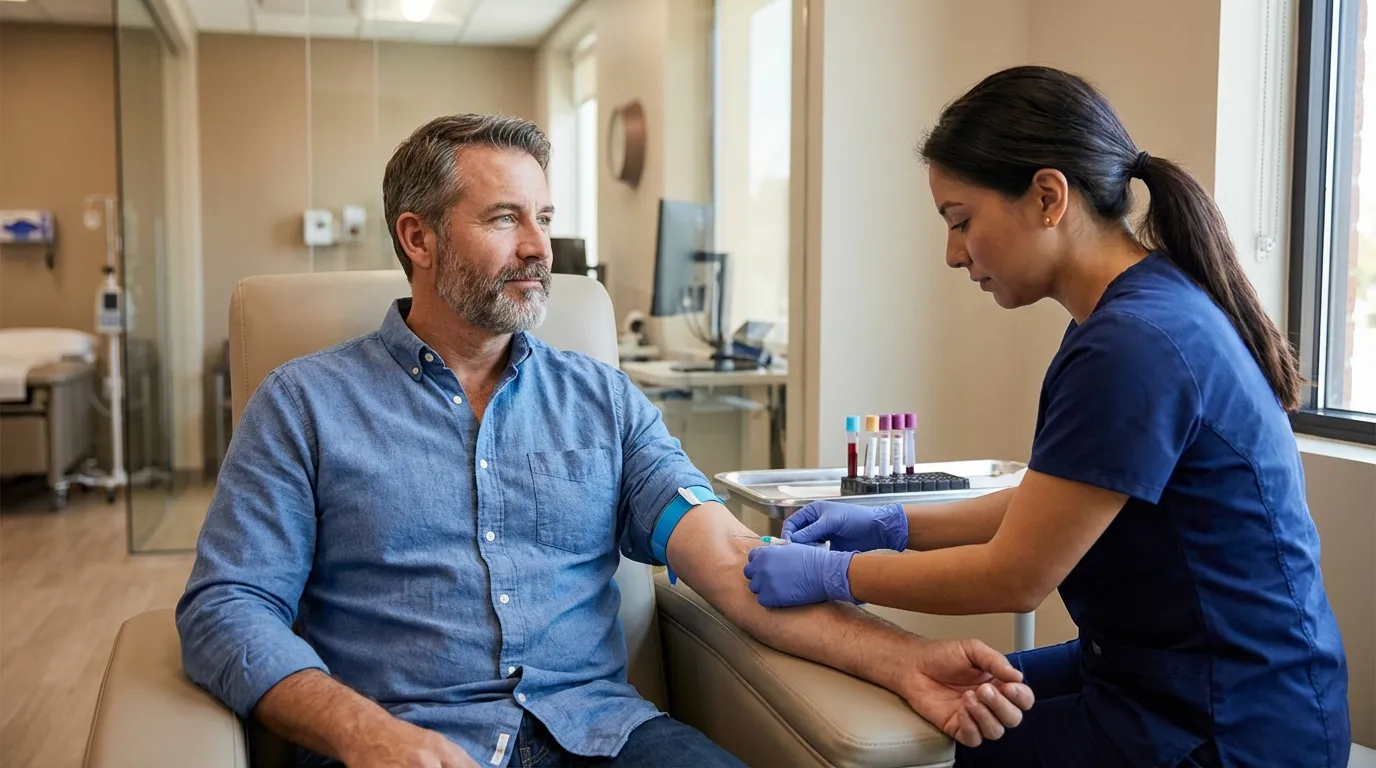
The right approach is to start with a thorough evaluation. A qualified TRT provider will measure your total testosterone, free testosterone, LH, FSH, SHBG, estradiol, and a complete metabolic panel before recommending any treatment. This comprehensive picture ensures that if low testosterone is contributing to your weight struggles, it's properly identified and treated.
To understand your numbers better, our guide on testosterone blood test levels explained: total vs free is an excellent starting point. And if you're unsure whether your symptoms fit the profile, take the free Low T symptom quiz to get a clearer sense of whether a consultation makes sense for you.
For men who do have confirmed low testosterone, TRT can be genuinely transformative — not just for weight loss, but for energy, mood, libido, mental clarity, and overall quality of life. To explore the full picture, read is TRT worth it? Pros, cons, and real experiences.
Understanding TRT Side Effects in the Context of Weight and Health
As with any medical therapy, TRT comes with considerations that your provider will walk you through. The most common ones relevant to weight and body composition include water retention in the early weeks of therapy, potential changes in hematocrit (red blood cell count), and estrogen fluctuations as your body adjusts.
In some men — particularly those with pre-existing sleep apnea — TRT may initially affect sleep quality, which can in turn influence weight management. However, this is a well-understood risk that a qualified provider will screen for and monitor carefully. Sleep apnea is not a barrier to TRT in most cases; it simply requires appropriate management alongside therapy.
Elevated hematocrit is another consideration your provider will monitor through regular blood work. It's manageable through dosage adjustments or, in some cases, therapeutic phlebotomy. The key point is that these are not reasons to avoid TRT — they're reasons to ensure you're working with a knowledgeable, attentive provider who monitors your labs regularly.
For a comprehensive overview of what to expect when starting therapy, TRT side effects: what to expect and how to manage them covers each consideration in detail, along with practical management strategies. Every concern has a solution when you're in the right hands.

How to Find a TRT Provider Who Understands Body Composition
Not all TRT providers approach therapy the same way. If body composition — fat loss, muscle gain, metabolic health — is a priority for you, it's worth finding a provider who thinks about TRT holistically, not just as a hormone number to hit.
The best TRT clinics will offer a comprehensive initial evaluation that includes detailed bloodwork, a full medical history review, and an individualized treatment plan. They'll discuss delivery method options (injections, gels, pellets) and explain the monitoring schedule you should expect. For a breakdown of how different delivery methods compare, see our article on TRT injections vs gel: which is better.
You can start your search right now. Find a TRT clinic near you using our directory of vetted providers across the United States. Whether you're in looking for TRT clinics in Texas, TRT clinics in California, or TRT clinics in Florida, our directory makes it easy to connect with qualified professionals who specialize in men's hormone health.
If you'd like step-by-step guidance on the process, read how to find a TRT doctor: a step-by-step guide and your first TRT consultation: what to expect. Going in prepared makes the entire process smoother and more productive.
The Bottom Line on TRT and Weight Loss
The science is clear: for men with clinically low testosterone, trt and weight loss are meaningfully connected. Restoring testosterone to a healthy physiological range reduces visceral fat, supports lean muscle growth, improves insulin sensitivity, and creates the metabolic conditions in which sustained fat loss becomes achievable — often for the first time in years.
TRT is not a shortcut or a quick fix. It's a medically supervised therapy that works best when paired with smart nutrition, consistent strength training, adequate sleep, and regular follow-up with your provider. But for men who have been fighting their body composition with full effort and seeing little progress, discovering and treating low testosterone can be genuinely life-changing.
If you've been struggling with stubborn weight, low energy, and a body that doesn't respond the way it used to, it may be time to find out whether low testosterone is part of the picture. trt and weight loss aren't just connected in theory — for thousands of men, addressing the hormonal root cause has been the turning point they were looking for.
Take the next step today. Take the free Low T symptom quiz to assess your symptoms, or find a TRT clinic near you to speak with a qualified provider. You deserve to feel strong, lean, and energized — and with the right support, that's entirely within reach.
Sources & References
- Testosterone Therapy in Men with Hypogonadism: An Endocrine Society Clinical Practice Guideline — Journal of Clinical Endocrinology & Metabolism / Endocrine Society [Link]
- Long-term testosterone therapy improves cardiometabolic function and reduces risk of cardiovascular disease in men with hypogonadism — PubMed / National Library of Medicine [Link]
- Effects of Testosterone Supplementation on Body Composition in Men: A Meta-Analysis — PubMed / European Journal of Endocrinology [Link]
- Testosterone and the Metabolic Syndrome — PubMed / International Journal of Impotence Research [Link]
- Testosterone Deficiency and Treatment in Men — Mayo Clinic [Link]
- Visceral Fat and Testosterone: The Relationship Between Body Fat Distribution and Testosterone Levels — PubMed / Journal of Clinical Endocrinology & Metabolism [Link]
- Testosterone Therapy and Body Composition: A 5-Year Observational Study — PubMed / Obesity (Silver Spring) [Link]
Frequently Asked Questions
Ready to Take the Next Step?
Check your symptoms with our free quiz or browse 2,500+ verified TRT clinics.