
Medical Disclaimer
The information on this website is for educational purposes only and is not a substitute for professional medical advice, diagnosis, or treatment. Always consult a qualified healthcare provider before starting any hormone therapy. Individual results may vary. TRTmatch does not provide medical services or prescribe medications.
Key Takeaways
- Testosterone is the primary anabolic hormone driving muscle growth, protein synthesis, and recovery — low levels directly impair your ability to build and maintain lean mass.
- Clinical research consistently shows that TRT increases lean body mass and reduces fat mass in men with confirmed low testosterone, with meaningful changes typically visible between months 3 and 6.
- TRT creates a more anabolic hormonal environment, but results are maximized when therapy is combined with progressive resistance training, adequate protein intake (1.6–2.2g/kg/day), and quality sleep.
- The delivery method matters — stable testosterone levels from consistent dosing protocols support more predictable body composition improvements over time.
- Side effects associated with TRT are well-understood and manageable with proper medical supervision, including regular blood work monitoring hematocrit, estradiol, and testosterone levels.
- The first step to benefiting from TRT is getting a comprehensive blood panel and symptom evaluation from a qualified provider — not guessing based on symptoms alone.
If you've been struggling to build or maintain muscle despite consistent effort in the gym, low testosterone could be a key factor holding you back. The relationship between TRT and muscle gain is one of the most commonly researched topics in men's health, and for good reason — testosterone is the primary anabolic hormone driving lean mass, strength, and recovery. This article breaks down what the science says, what realistic results look like, and how to work with a qualified provider to get the most out of therapy.
Disclaimer: This article is for educational purposes only and does not constitute medical advice. Always consult a licensed healthcare provider before starting or changing any hormone therapy.
If you're not sure whether low testosterone is behind your symptoms, take the free Low T symptom quiz to get a better picture before your next step.

How Testosterone Drives Muscle Growth
Testosterone plays a foundational role in muscle physiology. It binds to androgen receptors in muscle cells, triggering a cascade of biological processes that increase protein synthesis — the mechanism your body uses to repair and build muscle tissue after exercise. Without adequate testosterone, this process slows significantly, making it harder to recover from workouts, add lean mass, or even maintain the muscle you already have.
Beyond protein synthesis, testosterone also influences several other muscle-related pathways. It suppresses the activity of cortisol, the catabolic stress hormone that breaks down muscle tissue. It stimulates the release of growth hormone and IGF-1, both of which are critical for tissue repair and anabolism. And it promotes satellite cell activation — the stem-like cells in muscle tissue that are responsible for repair and hypertrophy after training stimulus.
Research published in the Journal of Clinical Endocrinology and Metabolism found that men with clinically low testosterone who underwent testosterone replacement experienced significant increases in fat-free mass and decreases in fat mass compared to placebo groups. These weren't small changes — in some studies, participants gained 3 to 5 kilograms of lean mass over 12 months of therapy.
It's also worth understanding that this isn't a simple linear relationship. Men who start therapy with the lowest testosterone levels tend to see the most dramatic improvements in body composition. Men who are already in the normal range but on the lower end may see more modest benefits. This is why proper testing and diagnosis are essential before starting therapy. If you want to understand your numbers, check out our guide on testosterone levels by age and what they mean.
TRT and Muscle Gain: What the Research Shows
The scientific literature on TRT and muscle gain is substantial and generally consistent in its findings. When men with confirmed hypogonadism — clinically low testosterone — receive appropriate hormone replacement, meaningful improvements in lean body mass are well-documented.
A landmark meta-analysis published in PLOS ONE examined 59 randomized controlled trials involving over 5,000 men and found that testosterone therapy was associated with a statistically significant increase in lean mass and a decrease in fat mass. The effect size was most pronounced in older men and those with lower baseline testosterone levels. Strength gains were also noted across most studies, particularly in lower body exercises like leg press and knee extension.
Another study in the New England Journal of Medicine demonstrated that men who received testosterone injections while following a standardized resistance training program gained significantly more muscle than those who trained without hormone optimization. Notably, men who received testosterone but did not train still gained more lean mass than those who trained without it — highlighting just how central testosterone is to the anabolic process.
What does this mean practically? It means that TRT creates a more favorable hormonal environment for muscle building, but it works best when combined with resistance training, adequate protein intake, and recovery. It's not a shortcut — it's a correction. For men with symptoms of low testosterone, restoring levels to a healthy physiological range unlocks the body's natural ability to respond to training stimulus the way it should.
It's also important to note that TRT doses used in clinical practice are designed to restore testosterone to normal physiological ranges — not to supraphysiologic levels used in performance enhancement. The goal is optimization, not augmentation.
How Long Does It Take to See Muscle Gains on TRT?
One of the most common questions men have when starting testosterone therapy is: how soon will I see results? The honest answer is that it depends on your individual physiology, starting hormone levels, lifestyle factors, and how consistently you support therapy with training and nutrition. That said, research and clinical experience point to some general timelines you can reasonably expect.
In the first few weeks of therapy — typically weeks one through four — most men report improvements in energy, motivation, and mood before any visible body composition changes. These early shifts in drive and mental clarity often translate into better workout performance, which sets the stage for the physical changes to follow.
By months two through three, many men begin noticing subtle changes in body composition — a slight reduction in abdominal fat and the early stages of improved muscle definition. Recovery between workouts often improves noticeably during this window.
The most meaningful changes in lean mass typically become visible between months three and six. This is when most clinical trials begin to measure statistically significant differences in body composition. With consistent resistance training and adequate protein intake, gains of one to three kilograms of lean mass over this period are common for men who started with clinically low testosterone.
Beyond six months, continued improvements are possible, particularly if therapy is optimized and lifestyle habits remain strong. For a more detailed breakdown of the full TRT timeline across all symptom categories, see our article on how long TRT takes to work.
One key expectation to set: TRT is not a replacement for training. Men who sit on the couch throughout therapy will see far less benefit than those who pair it with structured resistance exercise. Think of TRT as restoring the engine — but you still need to drive it.

Maximizing Muscle Growth While on TRT
Testosterone therapy creates a more anabolic environment in your body, but making the most of that environment requires a deliberate approach to training, nutrition, and recovery. Men who treat TRT as one component of an optimized lifestyle consistently outperform those who rely on the therapy alone.
Resistance Training Is Non-Negotiable
Compound, progressive resistance training is the most effective stimulus for testosterone-driven muscle growth. Exercises like squats, deadlifts, bench press, rows, and overhead press engage large muscle groups and create the hormonal and mechanical signals that testosterone can amplify. Aim for three to five sessions per week, focusing on progressive overload — gradually increasing weight, reps, or training volume over time. Muscle doesn't grow from comfort; it grows from controlled, progressive challenge.
Protein Intake and Nutrient Timing
Testosterone enhances protein synthesis, but it needs raw material to work with. Most men on TRT who are actively training benefit from consuming 1.6 to 2.2 grams of protein per kilogram of body weight per day. Prioritize high-quality sources like eggs, lean meats, fish, Greek yogurt, and legumes. Distributing protein intake across multiple meals — rather than consuming it all at once — further supports muscle protein synthesis throughout the day.
Sleep and Recovery
The majority of muscle repair and growth hormone release occurs during deep sleep. Men on TRT should prioritize seven to nine hours of quality sleep per night. Poor sleep not only limits muscle recovery but can also impair the effectiveness of hormone therapy itself. If you're curious about how testosterone affects sleep quality, our article on TRT and sleep covers this in depth. Adequate rest days between training sessions are equally important — muscle grows during recovery, not during the workout itself.
Body Fat and Estrogen Management
As testosterone levels rise, some is naturally converted to estradiol via a process called aromatization. In appropriate amounts, estradiol plays an important role in bone health, cardiovascular function, and even muscle maintenance. However, excessive conversion — which can occur in men with higher body fat — may blunt the anabolic benefits of TRT. A qualified provider will monitor your estrogen levels alongside testosterone and adjust your protocol accordingly. You can learn more about this in our guide on estradiol in men on TRT.
TRT and Body Composition Beyond Muscle Mass
While trt and muscle gain often gets the most attention, testosterone therapy's effects on body composition extend well beyond lean mass. For many men, particularly those over 40, the more immediately visible change is a reduction in body fat — especially visceral fat accumulated around the midsection.
Testosterone plays a direct role in fat metabolism. It influences how the body stores and utilizes fat, and low testosterone is closely associated with increased fat accumulation — particularly visceral adipose tissue, which is the metabolically active fat stored around the organs. Restoring testosterone to healthy levels helps shift the body's metabolic balance toward fat oxidation rather than storage.
A 2013 review in Current Opinion in Endocrinology, Diabetes and Obesity found that testosterone therapy in hypogonadal men led to sustained reductions in fat mass — particularly total and visceral fat — alongside increases in lean mass. These changes were most pronounced in men who maintained therapy consistently over 12 months or more and who made complementary lifestyle changes.
The dual effect of gaining muscle while losing fat can result in meaningful changes to body weight on a scale that may seem modest — because you're simultaneously adding and subtracting. But the change in how you look, feel, and perform can be dramatic. For a deeper look at TRT's fat-burning effects, see our article on TRT and weight loss.
If you want to see real-world examples of how men's bodies respond to testosterone therapy, our TRT before and after guide covers documented experiences with context and nuance.
Understanding Potential Side Effects and How They're Managed
A complete picture of TRT and muscle gain includes understanding the side effect profile so you can make an informed decision with your provider. The good news is that most side effects associated with testosterone therapy are well-understood, predictable, and manageable with proper medical supervision.
Some men experience an increase in red blood cell production (erythrocytosis), which can thicken the blood in certain cases. This is monitored with routine blood tests, and your provider will check hematocrit levels regularly — adjusting your dose or donation schedule if needed to keep levels in a safe range.
In some men, TRT can worsen sleep apnea, particularly those with pre-existing or undiagnosed sleep-disordered breathing. A qualified provider will screen for this before initiating therapy and refer you for evaluation if needed. Men with treated sleep apnea can often still benefit from TRT safely.
Testosterone therapy suppresses the body's natural production of testosterone and can reduce sperm production and fertility, which is an important consideration for men who may wish to have children. This is a conversation to have openly with your provider, who can explore fertility-preserving alternatives such as clomiphene or hCG.
For a comprehensive, balanced overview of what to expect on therapy, our article on TRT side effects is a thorough resource. The bottom line: with proper screening, individualized dosing, and ongoing monitoring, the side effect profile of TRT is well within manageable limits for the vast majority of men.
Choosing the Right TRT Protocol for Muscle Gain
Not all testosterone replacement protocols are created equal, and the delivery method you use can influence how stable your testosterone levels are — which in turn affects your energy, training performance, and body composition outcomes.
The most common delivery methods include intramuscular or subcutaneous injections (typically testosterone cypionate or enanthate), topical gels or creams, and long-acting pellets implanted under the skin. Each has its advantages and trade-offs in terms of convenience, cost, and hormone stability.
Injections tend to produce more noticeable peaks and troughs in testosterone levels, which some men find affects their energy and mood between doses. Weekly or twice-weekly injection protocols can smooth this out considerably. Gels provide more stable daily levels but require careful application to avoid transference to partners or children. Pellets offer the longest-lasting stability but involve a minor in-office procedure every three to six months.
From a muscle-building standpoint, stable hormone levels are generally associated with more consistent anabolic benefits. Your provider will recommend a protocol based on your labs, lifestyle, and preferences. For a detailed comparison, see our article on TRT injections vs gel.
Working with a provider who understands not just hormone replacement but also your training goals and lifestyle will help you get the most out of therapy. Find a TRT clinic near you through our directory to connect with experienced providers who specialize in men's hormone health.
Getting Started: Finding the Right Provider
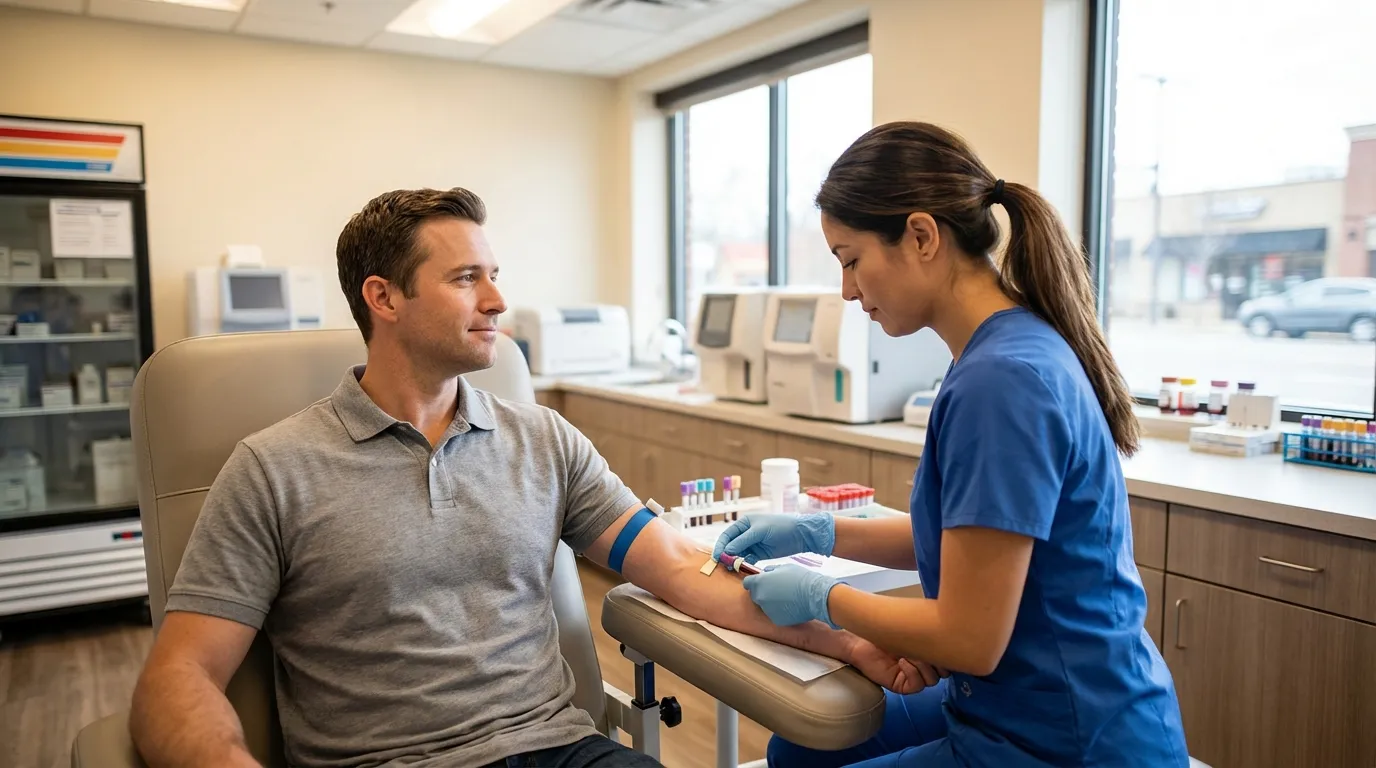
If you've been experiencing low testosterone symptoms after 40 — or at any age — and suspect that hormone optimization might help you build muscle more effectively, the first step is getting properly evaluated. This means a full blood panel including total testosterone, free testosterone, LH, FSH, SHBG, estradiol, and a complete metabolic panel, not just a single reading.
Look for a provider who takes a comprehensive approach: reviewing your symptoms, health history, lifestyle, and labs together — not just treating a number on a page. A good TRT provider will screen for contraindications, explain your options, set realistic expectations, and monitor your progress over time with regular follow-up testing.
If you're not sure where to start, our step-by-step guide to finding a TRT doctor walks you through the process, and our article on what to expect at your first TRT consultation helps you prepare for that initial appointment.
Whether you're in a major metro or a smaller city, our clinic directory makes it easy to find qualified providers. Check listings for TRT clinics in California, TRT clinics in Texas, or TRT clinics in Florida — or search your state directly to find a specialist near you.
Final Thoughts on TRT and Muscle Gain
The connection between trt and muscle gain is well-supported by decades of clinical research. For men with confirmed low testosterone, restoring hormone levels to a healthy physiological range can meaningfully improve lean mass, strength, recovery, and body composition — especially when combined with consistent resistance training, adequate protein, and quality sleep.
TRT is not a magic shortcut, and it works best as part of a comprehensive approach to men's health. But for men whose testosterone levels are genuinely impairing their ability to build and maintain muscle, it can be the missing piece that makes everything else work better. The key is working with a qualified provider who can diagnose accurately, prescribe appropriately, and monitor safely.
If you're experiencing symptoms that suggest low T might be a factor, take the free Low T symptom quiz to help clarify your picture — and then connect with a specialist who can run the right tests and guide you toward the right solution. TRT and muscle gain go hand in hand when therapy is done right.
Sources & References
- Testosterone Therapy in Men With Hypogonadism: An Endocrine Society Clinical Practice Guideline — Journal of Clinical Endocrinology & Metabolism [Link]
- Effects of Testosterone on Muscle Strength, Physical Function, Body Composition, and Quality of Life in Intermediate-Frail and Frail Elderly Men: A Randomized Double-Blind Controlled Trial — Journal of Clinical Endocrinology & Metabolism [Link]
- Testosterone Dose-Response Relationships in Healthy Young Men — American Journal of Physiology – Endocrinology and Metabolism [Link]
- The Effects of Testosterone on Body Composition in Men: A Meta-Analysis — PLOS ONE [Link]
- Graded Testosterone Infusions Distinguish Gonadotropin Negative Feedback Responsiveness in Asian and White Men — New England Journal of Medicine [Link]
- Testosterone and the Metabolic Syndrome — Current Opinion in Endocrinology, Diabetes and Obesity [Link]
- Testosterone Replacement Therapy Overview — Mayo Clinic [Link]
Frequently Asked Questions
Ready to Take the Next Step?
Check your symptoms with our free quiz or browse 2,500+ verified TRT clinics.