
Medical Disclaimer
The information on this website is for educational purposes only and is not a substitute for professional medical advice, diagnosis, or treatment. Always consult a qualified healthcare provider before starting any hormone therapy. Individual results may vary. TRTmatch does not provide medical services or prescribe medications.
Key Takeaways
- Lifestyle changes like sleep, resistance training, stress reduction, and weight loss can meaningfully raise testosterone in men whose low T is driven by reversible factors — but have real limits for men with structural or age-related hypogonadism.
- Clinical low testosterone is defined as levels below 300 ng/dL combined with symptoms; bloodwork on at least two separate mornings is needed before a diagnosis can be made.
- TRT and lifestyle changes are not mutually exclusive — men who combine testosterone therapy with healthy habits consistently achieve the best outcomes.
- If you've genuinely optimized your lifestyle for three to six months and still have clinically low testosterone with significant symptoms, medical treatment is a legitimate and well-supported option.
- TRT is an FDA-recognized medical treatment for hypogonadism, administered under medical supervision with regular monitoring — it is safe and effective when managed by a qualified provider.
- The most important first step is getting comprehensive bloodwork and consulting a specialist who can evaluate your full hormonal picture before deciding on a treatment path.
If you've been feeling fatigued, losing muscle, struggling with low libido, or just not feeling like yourself, you've probably asked a version of the same question thousands of men ask each year: Do I need testosterone replacement therapy, or can I fix this on my own? The debate around trt vs lifestyle changes is one of the most important conversations you can have about your long-term health — and the answer isn't always straightforward. This article will walk you through both sides with clear, evidence-based information so you can make a confident, informed decision alongside a qualified provider.
Medical disclaimer: This article is for educational purposes only and does not constitute medical advice. Always consult a licensed healthcare provider before starting, stopping, or changing any treatment. Testosterone replacement therapy is a prescription medical treatment that requires proper diagnosis, screening, and ongoing monitoring.
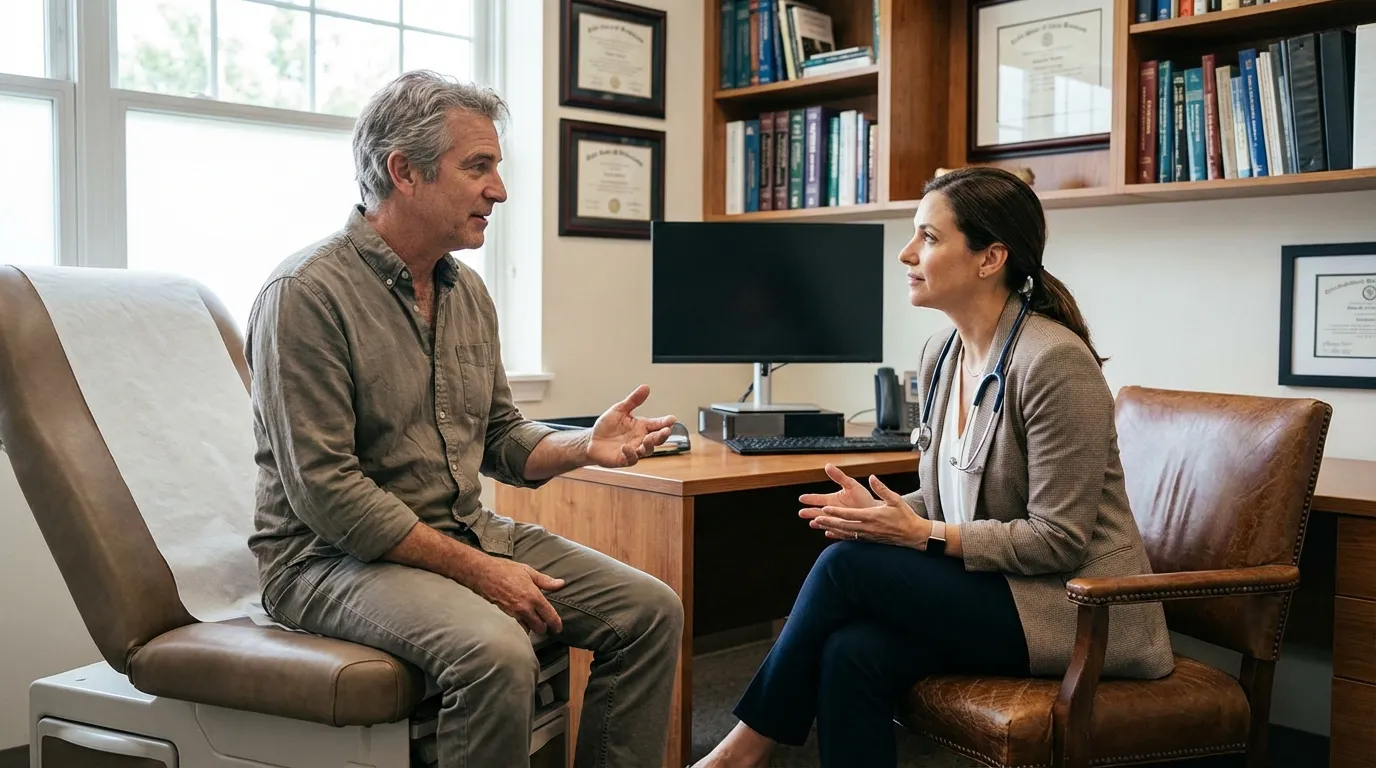
Understanding Low Testosterone: What's Really Going On
Before weighing trt vs lifestyle changes, it helps to understand what low testosterone actually means. Testosterone is the primary male sex hormone, responsible for muscle mass, bone density, red blood cell production, sex drive, mood regulation, and cognitive function. According to the Endocrine Society, clinically low testosterone — also called hypogonadism — is defined as a total testosterone level below 300 ng/dL combined with symptoms consistent with deficiency.
The important word here is combined. Blood levels alone don't tell the whole story. A man with a level of 280 ng/dL and no symptoms may not need treatment, while a man at 320 ng/dL with significant fatigue, depression, and low libido may benefit from therapy. Understanding whether your symptoms are truly driven by low testosterone — or by lifestyle factors, stress, sleep deprivation, or another medical condition — is the foundation of this entire conversation.
The American Urological Association estimates that low testosterone affects approximately 2 to 4 percent of men overall, but rates climb significantly with age. By their 40s and 50s, a growing percentage of men experience a meaningful decline in testosterone, with levels dropping roughly 1 to 2 percent per year after age 30. If you're noticing signs of low testosterone, the first step is always getting proper bloodwork — not guessing. You can also take the free Low T symptom quiz to help identify whether your symptoms align with testosterone deficiency.
It's also worth knowing the difference between primary and secondary hypogonadism. Primary hypogonadism originates in the testes themselves, while secondary hypogonadism involves a signaling failure from the brain's hypothalamic-pituitary axis. This distinction matters because it can influence whether lifestyle changes alone are likely to help — or whether medical intervention is genuinely necessary. To understand the full picture of what causes low testosterone, a thorough evaluation is essential.
What Lifestyle Changes Can Actually Do for Testosterone
Lifestyle interventions are real, evidence-based tools — and for men whose testosterone is in the low-normal range, or whose symptoms are driven by reversible lifestyle factors, they can make a meaningful difference. The research here is solid and worth taking seriously before concluding that medication is your only path.
Exercise and resistance training are among the most well-documented natural ways to support testosterone. A 2012 meta-analysis published in the Journal of Strength and Conditioning Research found that acute resistance training produces a short-term testosterone spike, and consistent long-term training supports healthier baseline levels. High-intensity interval training (HIIT) has also shown promising results. Men who are sedentary often see notable hormonal improvements simply by becoming physically active.
Sleep is arguably the most underappreciated factor. A landmark study from the University of Chicago found that men who slept only five hours per night for one week experienced a 10 to 15 percent reduction in testosterone levels — equivalent to aging 10 to 15 years. Prioritizing seven to nine hours of quality sleep per night is one of the most powerful steps any man can take. If you're not sleeping well, no amount of medication will fully compensate.
Body composition plays a major role. Adipose tissue (body fat) contains an enzyme called aromatase, which converts testosterone into estrogen. Men carrying significant excess weight, particularly around the abdomen, often have suppressed testosterone as a direct result. Studies have shown that meaningful weight loss — even 10 to 15 percent of body weight — can raise testosterone levels by 100 to 200 ng/dL in overweight men.
Other evidence-backed lifestyle factors include reducing chronic stress (which elevates cortisol, a hormone that suppresses testosterone), minimizing alcohol consumption, optimizing vitamin D and zinc intake, and avoiding endocrine-disrupting compounds found in certain plastics and processed foods. If you're looking for a structured approach, read our guide on how to increase testosterone naturally before TRT.
The honest summary: lifestyle changes work best when low testosterone is caused or significantly worsened by lifestyle factors. They have real limits when the cause is structural or physiological.
When Lifestyle Changes Aren't Enough: Recognizing the Limits
Here's where the trt vs lifestyle changes conversation gets more nuanced. For some men, no amount of exercise, sleep optimization, or dietary improvement will restore testosterone to a healthy functional range — and that's not a personal failure. It's biology.
If you've spent three to six months making consistent, genuine lifestyle changes and your testosterone levels remain clinically low — with persistent symptoms — that's a meaningful signal. Some causes of low testosterone simply don't respond to lifestyle modifications. These include testicular damage from injury or surgery, genetic conditions like Klinefelter syndrome, pituitary disorders, prior use of anabolic steroids that has suppressed natural hormone production, and age-related hypogonadism in men over 50 whose testosterone has declined below the functional threshold.
Symptom severity also matters. A man with a testosterone level of 260 ng/dL who is experiencing significant depression, complete loss of libido, erectile dysfunction, and severe fatigue is dealing with a quality-of-life issue that deserves prompt medical attention — not six more months of hoping the gym will fix it. Delaying appropriate treatment in men with confirmed clinical hypogonadism can have real consequences for bone density, cardiovascular health, and mental well-being.
It's also worth checking whether related hormonal markers — like free vs total testosterone, SHBG, LH, and FSH levels — are contributing to the picture. Sometimes total testosterone looks borderline acceptable, but free testosterone (the biologically active fraction) is critically low due to elevated SHBG. A qualified provider will assess the full panel, not just one number. Learn more about what TRT blood work should include before and during treatment.
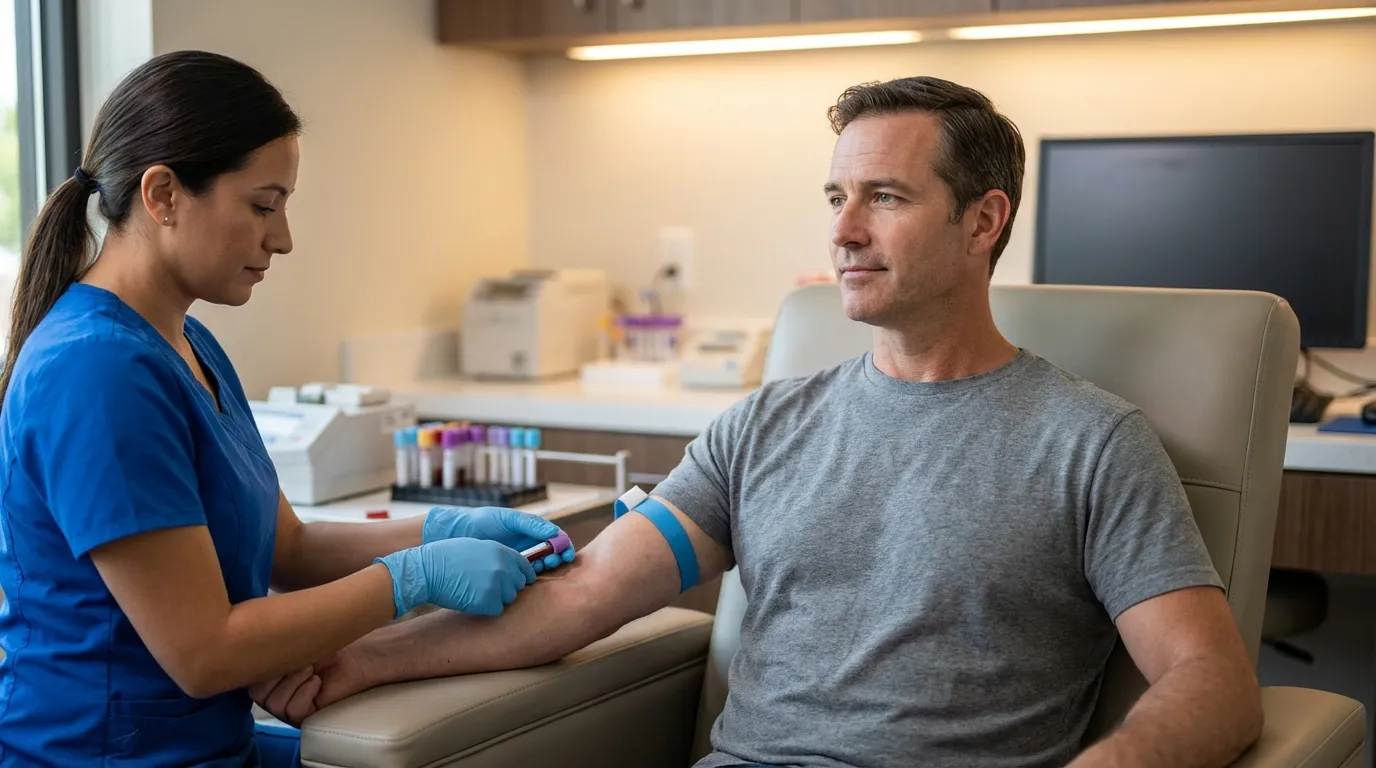
TRT vs Lifestyle Changes: A Direct Comparison
To make this concrete, here's a side-by-side look at how testosterone therapy and lifestyle interventions compare across key dimensions:
| Factor | Lifestyle Changes | TRT |
|---|---|---|
| Speed of results | Weeks to months | Weeks (varies by delivery method) |
| Testosterone increase (typical) | 50–200 ng/dL in responsive men | 200–500+ ng/dL above baseline |
| Works for structural hypogonadism | No | Yes |
| Requires medical supervision | No | Yes |
| Cost | Low to moderate | Moderate (varies by clinic/method) |
| Long-term sustainability | High (with commitment) | High (with proper monitoring) |
| Addresses symptoms directly | Indirectly (if lifestyle-driven) | Directly (if clinically deficient) |
It's worth noting that these two approaches are not mutually exclusive. In fact, the most successful outcomes on TRT are almost always seen in men who also maintain healthy lifestyle habits. Testosterone therapy works synergistically with exercise, good nutrition, and quality sleep — it doesn't replace them. Men who combine TRT with strength training, for example, consistently outperform those who rely on medication alone. Read more about TRT and muscle growth to understand what realistic expectations look like.
Who Is a Good Candidate for TRT?
Clinical guidelines from the Endocrine Society and the American Urological Association outline clear criteria for TRT candidacy. Generally, a man is considered a good candidate when: testosterone is confirmed low on at least two separate morning blood tests, symptoms are consistent with hypogonadism and negatively impacting quality of life, and reversible causes (obesity, sleep apnea, medication side effects) have been addressed or ruled out.
Men over 40 with declining levels who have already optimized their lifestyle are strong candidates. So are younger men with structural or secondary hypogonadism who haven't responded to conservative measures. Men experiencing significant mood symptoms alongside low testosterone may find that TRT and depression are more connected than they realized — and that treatment addresses both simultaneously.
TRT is generally not recommended for men who are actively trying to conceive naturally, as exogenous testosterone suppresses sperm production. In those cases, alternatives like clomiphene citrate or HCG therapy may be explored. For a detailed comparison, see Clomid vs TRT.
Men with certain health conditions require careful evaluation but are not automatically excluded. For instance, men with treated sleep apnea, well-controlled cardiovascular disease, or a history of prostate issues can often still benefit from TRT under close supervision. A qualified provider will conduct thorough screening and individualize the approach. Concerned about safety? The evidence is reassuring — read our full breakdown of whether TRT is safe for heart and prostate health.
How TRT Works: What to Expect From Treatment
If you and your provider decide that testosterone therapy is appropriate, it's helpful to understand what the process actually looks like. TRT is not a one-size-fits-all prescription — it's an individualized, monitored medical treatment with several delivery methods available, each with its own profile of benefits and considerations.
The most common forms include intramuscular or subcutaneous injections (typically weekly or bi-weekly), transdermal gels or creams applied daily, and testosterone pellets implanted under the skin every three to six months. Each method has tradeoffs in terms of convenience, cost, stability of blood levels, and side effect profile. For a thorough breakdown, see our comparison of testosterone injections vs pellets or TRT injections vs gel.
Most men notice initial improvements in energy and mood within the first two to four weeks. Libido and sexual function often improve within four to six weeks. Body composition changes — increased muscle and reduced fat — typically become noticeable at the three-month mark and continue improving through the first year of treatment. For a realistic timeline, see TRT before and after: real results explained.
Regular monitoring is a non-negotiable part of safe TRT. Your provider will check testosterone levels, hematocrit, PSA, liver function, and other markers at regular intervals — typically at three months and six months initially, then annually once stable. This monitoring is what makes TRT a safe, controlled therapy rather than a guessing game. A good provider adjusts dosing based on your lab results and how you feel — not a rigid protocol.

The Best Approach: Combining Both Strategies
For most men, the answer to trt vs lifestyle changes isn't an either/or choice — it's a question of sequencing and combination. The optimal approach for the majority of men with symptoms and borderline-to-low testosterone looks something like this:
Step 1: Get comprehensive bloodwork done. Understand your total testosterone, free testosterone, SHBG, LH, FSH, estradiol, and complete metabolic panel. Don't guess. Learn more about testosterone levels by age to put your numbers in context.
Step 2: Audit your lifestyle honestly. Are you sleeping well? Are you exercising consistently? Is your body fat in a healthy range? Are you managing stress? If significant room for improvement exists, a three-to-six month lifestyle intervention with follow-up bloodwork is a reasonable first step for men with low-normal testosterone and mild symptoms.
Step 3: If testosterone remains clinically low after genuine lifestyle optimization — or if symptoms are severe enough to warrant prompt intervention — consult a qualified TRT provider for a full evaluation. This isn't giving up on natural approaches; it's recognizing when you need additional medical support.
Step 4: If you begin TRT, continue practicing the lifestyle habits that support hormonal health. Men who exercise, sleep well, manage stress, and eat nutritiously on TRT consistently report the best outcomes — both in terms of lab values and quality of life.
Finding the right provider makes all the difference. A clinic that takes time to understand your full health picture, reviews your lab work carefully, and monitors you throughout treatment is worth seeking out. Use our directory to find a TRT clinic near you staffed by providers who specialize in men's hormonal health.
Taking the Next Step: Finding the Right Provider
If you've been reading this and recognizing yourself — the fatigue, the loss of drive, the sense that something has shifted — the best thing you can do is stop guessing and start getting answers. The question of trt vs lifestyle changes deserves a real, personalized evaluation, not an internet diagnosis.
Start by tracking your symptoms and getting a baseline testosterone test. If you haven't done that yet, consider taking our free Low T symptom quiz to clarify whether what you're experiencing aligns with hormonal deficiency. Then, talk to a provider who specializes in men's hormonal health — someone who will look at your full lab panel, discuss your goals, and offer individualized recommendations rather than a cookie-cutter protocol.
Whether the answer turns out to be a structured lifestyle intervention, TRT, or a combination of both — you deserve to feel like yourself again. The right provider will help you figure out exactly which path gets you there. Ready to find one? Browse TRT clinics near you or explore our guide on how to find a TRT doctor to start your journey with confidence. When it comes to trt vs lifestyle changes, the smartest move is always getting expert guidance — not going it alone.
Sources & References
- Testosterone Therapy in Men With Hypogonadism: An Endocrine Society Clinical Practice Guideline — Journal of Clinical Endocrinology & Metabolism / Endocrine Society [Link]
- Evaluation and Management of Testosterone Deficiency: AUA Guideline — American Urological Association [Link]
- Effect of 1 Week of Sleep Restriction on Testosterone Levels in Young Healthy Men — JAMA / PubMed [Link]
- Testosterone Therapy and Cardiovascular Risk — The TRAVERSE Trial — New England Journal of Medicine [Link]
- Weight Loss Increases Testosterone Levels in Overweight Men: A Systematic Review and Meta-Analysis — European Journal of Endocrinology / PubMed [Link]
- Testosterone Deficiency (Hypogonadism) — Overview — Mayo Clinic [Link]
- Acute and Chronic Effects of Resistance Exercise on Testosterone Levels: A Meta-Analysis — Journal of Strength and Conditioning Research / PubMed [Link]
Frequently Asked Questions
Ready to Take the Next Step?
Check your symptoms with our free quiz or browse 2,500+ verified TRT clinics.