
Medical Disclaimer
The information on this website is for educational purposes only and is not a substitute for professional medical advice, diagnosis, or treatment. Always consult a qualified healthcare provider before starting any hormone therapy. Individual results may vary. TRTmatch does not provide medical services or prescribe medications.
Key Takeaways
- By the 12-month mark on TRT, most men with hypogonadism experience measurable improvements in lean muscle mass, body fat reduction, energy, mood, libido, and bone density — backed by peer-reviewed research.
- Body composition changes at one year reflect genuine lean tissue gains and fat reduction, not fluid shifts — with studies showing an average of 1.6 kg lean mass increase and 2.0 kg fat mass decrease in long-term therapy.
- Regular blood work monitoring (total testosterone, free testosterone, estradiol, hematocrit, PSA) is essential at the 12-month mark to ensure optimal levels and safety — not just symptom management.
- Hematocrit elevation is a manageable and well-understood aspect of TRT; qualified providers have straightforward protocols to address it without discontinuing therapy.
- TRT delivers the best long-term results when combined with consistent resistance training, quality sleep, and regular provider communication — it's one component of an integrated health strategy.
- Men who are still experiencing suboptimal results at 12 months should discuss potential dose adjustments, delivery method changes, or ancillary support with their provider rather than assuming TRT isn't working for them.
What to Realistically Expect From TRT One Year Results
If you've been considering testosterone replacement therapy or are already a few months in, you're probably wondering: what do trt one year results actually look like? The honest answer is that 12 months is where things get genuinely interesting. Most men notice early changes in energy and libido within weeks, but the deeper physical and psychological transformations — the ones that show up in the mirror and in annual blood work — take the full arc of a year to solidify.
Medical disclaimer: This article is for educational purposes only and does not constitute medical advice. Always consult a qualified healthcare provider before starting, adjusting, or stopping any testosterone therapy.
The research backs this up. A landmark long-term study published in The Journal of Clinical Endocrinology & Metabolism found that men with hypogonadism who maintained TRT for 12 months or longer showed statistically significant improvements in lean body mass, bone mineral density, sexual function, and quality of life compared to baseline. These aren't marginal gains — they represent meaningful, measurable change in men's health. If you're still in the early evaluation stage, TRT First 30 Days: What to Expect Week by Week gives a useful starting point, and the TRT at 3 Months article covers the bridge between the early phase and where we pick up here.
This guide focuses specifically on the 12-month milestone — what's typically stabilized, what continues to improve, what your lab markers should reflect, and how to set yourself up for continued success with your provider.

Body Composition: Muscle, Fat, and the 12-Month Shift
One of the most discussed aspects of TRT one year results is body composition. Men who have maintained consistent therapy for 12 months typically report noticeable reductions in visceral fat alongside meaningful increases in lean muscle mass — even without dramatic changes to their workout routine.
A 2013 meta-analysis published in PLOS ONE reviewed data from over 1,000 men and found that long-term testosterone therapy (averaging 9.5 months) produced an average increase of approximately 1.6 kg of lean mass and a decrease of 2.0 kg in fat mass. By the 12-month mark, these effects tend to be even more pronounced, particularly in men who pair TRT with consistent resistance training and a protein-adequate diet.
What's happening biologically? Testosterone directly stimulates muscle protein synthesis and promotes the conversion of preadipocytes (fat cell precursors) away from fat storage. It also improves insulin sensitivity, which helps the body partition nutrients more efficiently — directing calories toward muscle rather than fat storage. This is why TRT and weight loss often go hand in hand when therapy is properly managed.
It's worth noting that initial water retention — which some men experience in the early months — typically resolves by months 3 to 6. By month 12, the composition changes you see are genuine lean tissue and reduced adipose tissue, not fluid fluctuations. If you experienced early bloating, our article on TRT water retention explains why it happens and how providers manage it.
Men who are not seeing the muscle gains they expect at the 12-month mark may want to review their training consistency, protein intake, and whether their testosterone levels are actually optimized — not just within range, but within the therapeutic sweet spot for them as individuals. Read more about what could be holding you back in No Muscle Gain on TRT? What You're Doing Wrong.
Energy, Mental Clarity, and Mood at the 12-Month Mark
Many men begin TRT specifically because they feel exhausted, foggy, and emotionally flat. By the 12-month mark, the majority of men with true hypogonadism report sustained improvements in all three areas — and often describe the change as feeling like themselves again rather than a dramatic personality shift.
Energy improvements tend to follow a predictable arc: a noticeable early boost around weeks 3 to 6, a potential dip during dose adjustments, and then a sustained, stable baseline by months 9 to 12. Men who are still experiencing fatigue at the one-year mark should discuss this with their provider, as it may indicate suboptimal dosing, elevated estradiol, thyroid dysfunction, or sleep apnea — all addressable issues. See Still Tired on TRT? Here's Why and How to Fix It for a detailed breakdown.
Cognitive improvements are also documented in the literature. A 2016 study in Psychoneuroendocrinology found that men receiving testosterone therapy showed significant improvements in spatial memory, processing speed, and verbal memory compared to placebo groups. These effects were most pronounced in men who had been symptomatic for longer periods before treatment — meaning the brain benefits of TRT may actually compound over time.
Mood is where many men are most surprised by their trt one year results. Depression, irritability, and low motivation are recognized symptoms of hypogonadism, and research consistently shows testosterone therapy improves depressive symptom scores in men with documented low testosterone. If mood was a primary concern when you started, the article on TRT and depression covers the mechanisms and evidence in depth.
Sexual Health: Libido and Erectile Function After One Year
Sexual health is one of the most personal motivators for men exploring TRT, and the 12-month picture is generally positive. Libido — often one of the earliest improvements — is typically well-established and stable by the one-year mark in men whose testosterone levels are appropriately optimized.
Erectile function follows a slightly different timeline. For men whose ED was primarily driven by low testosterone, improvements are often significant by months 6 to 9. A 2014 review in the Journal of Sexual Medicine found that testosterone therapy significantly improved erectile function scores in hypogonadal men, with effects continuing to improve over 12 months of treatment.
However, it's important to understand that TRT is not a universal fix for erectile dysfunction. In some men, ED has multiple contributing factors — vascular health, psychological components, or other hormonal imbalances — and TRT addresses the hormonal piece specifically. A qualified provider will evaluate the full picture. You can learn more in our guide on TRT for erectile dysfunction.
One area that sometimes requires ongoing attention at the 12-month mark is estradiol balance. Testosterone converts to estradiol via the aromatase enzyme, and if estradiol climbs too high, it can paradoxically suppress libido and contribute to mood changes. A well-managed protocol includes estradiol monitoring — something your provider should be checking regularly. If this is a concern for you, read High Estrogen on TRT: Symptoms and How to Fix It.
Lab Markers and Monitoring: What Your Blood Work Should Show at 12 Months
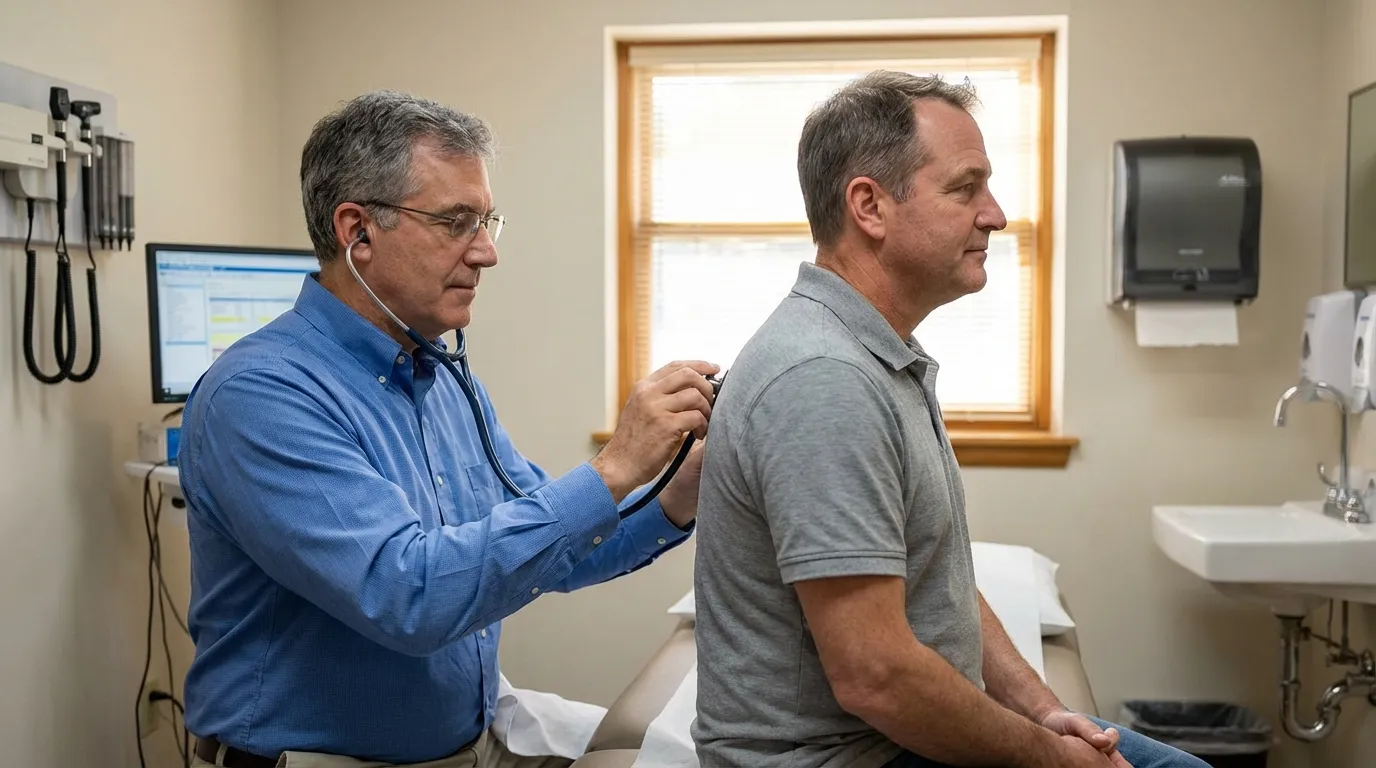
After a full year on TRT, your blood work tells a comprehensive story — and reviewing it with a knowledgeable provider is one of the most valuable things you can do at this milestone. A thorough 12-month panel should include total testosterone, free testosterone, estradiol (E2), hematocrit, PSA, lipid panel, and a comprehensive metabolic panel at minimum.
Here's a general reference for what optimized labs typically look like at the 12-month mark:
| Marker | General Target Range on TRT | Why It Matters |
|---|---|---|
| Total Testosterone | 600–1,000 ng/dL | Primary efficacy marker |
| Free Testosterone | 15–25 pg/mL | Bioavailable fraction driving effects |
| Estradiol (E2) | 20–40 pg/mL | Balance prevents side effects |
| Hematocrit | Under 52% | Elevated levels need management |
| PSA | Baseline-consistent | Prostate health monitoring |
Hematocrit deserves special attention. TRT stimulates red blood cell production, which can raise hematocrit over time. In most men this remains within safe limits, and for those whose levels trend higher, providers have straightforward management strategies including dose adjustment, injection frequency changes, or therapeutic phlebotomy. This is a well-understood aspect of TRT management — learn more in Hematocrit and TRT: Why Your Levels Matter. For a full picture of what testing you should be receiving, see TRT Blood Work: Which Tests You Need.
If your labs aren't in the right ranges after 12 months, don't interpret that as failure — it's information. Many men need dose adjustments, delivery method changes, or ancillary support during the first year. This is exactly why ongoing monitoring with a qualified provider matters so much.
Bone Density, Cardiovascular Markers, and Long-Term Health Benefits
Beyond the visible changes in muscle and fat, trt one year results include meaningful improvements in long-term health markers that often go underdiscussed. Bone mineral density is one of the clearest examples. Low testosterone is a recognized risk factor for osteoporosis in men, and research consistently shows that TRT improves bone density over 12 to 24 months of therapy.
A study published in The New England Journal of Medicine as part of the Testosterone Trials found that men receiving testosterone therapy showed significantly greater increases in bone density — both trabecular and cortical — compared to placebo, with effects measured at 12 months. For men in their 40s, 50s, and beyond, this represents a meaningful reduction in fracture risk over time.
Cardiovascular markers are a topic that deserves nuanced discussion. A 2023 study published in the New England Journal of Medicine (the TRAVERSE trial) found that TRT did not significantly increase major adverse cardiovascular events in men with hypogonadism who were at elevated cardiovascular risk. For men without pre-existing cardiovascular conditions, TRT's effect on lipid profiles is generally neutral to mildly positive, with some studies showing modest improvements in HDL cholesterol and insulin resistance. Read our full breakdown at TRT and Heart Health: What the Research Shows.
Metabolic health is another area where the 12-month picture brightens for many men. Testosterone plays a role in insulin sensitivity and glucose metabolism, and men with type 2 diabetes or prediabetes who address hypogonadism through TRT often see improvements in HbA1c and fasting glucose as part of their comprehensive care plan.
Managing Side Effects at the One-Year Mark
By 12 months, most men have moved through the adjustment period and settled into a stable protocol — but it's worth reviewing what side effects, if any, may still be present and how they're typically addressed. The most common side effects that occasionally persist into the first year include skin changes (acne or oiliness), mild hair thinning in genetically predisposed men, and hematocrit elevation as discussed above.
Acne, when it occurs, tends to be most noticeable in the first 3 to 6 months and often improves as the body adapts. In some men, topical treatments or dose adjustments resolve it completely. For more detail, see TRT and Acne: Why It Happens and How to Manage It.
Hair loss concerns many men considering TRT. The reality is that TRT may accelerate hair thinning in men with a genetic predisposition to male pattern baldness — but it does not cause hair loss in men who don't carry that predisposition. If this is a concern, discuss it openly with your provider. There are management strategies available, and the decision involves weighing personal priorities against therapeutic benefit. See TRT and Hair Loss: Does Testosterone Make You Go Bald? for a balanced look at the evidence.
The key message at the 12-month mark: if any side effect is present and bothering you, it's workable. A qualified provider has tools to address virtually every common TRT side effect without discontinuing therapy altogether. Don't suffer in silence — communication with your care team is what makes long-term TRT both safe and sustainable.
Delivery Method Considerations at 12 Months
By the one-year milestone, many men have either settled happily into their chosen delivery method or are considering whether a switch might serve them better. The most common options — injections, gels, and pellets — each have distinct profiles that affect how stable your levels are, how convenient administration is, and how easily your provider can make adjustments.
Injections (typically testosterone cypionate or enanthate) remain the most widely used method and offer excellent control over dosing. Weekly or twice-weekly injections produce relatively stable levels, and dose adjustments are straightforward. Pellets, implanted subcutaneously every 3 to 6 months, offer convenience but are less adjustable once placed. Gels provide daily dosing flexibility but come with transfer risks and variable absorption. For a head-to-head comparison, see TRT Injections vs Gel: Which Is Better? and Testosterone Injections vs Pellets: Full Comparison.
If you've been on injections for a year and consistently feel peaks and troughs in energy or mood, it may be worth discussing more frequent, smaller doses with your provider — a model sometimes called microdosing. Read more about this approach in Microdosing TRT: Is Low-Dose Testosterone Right?.

How to Maximize Your TRT One Year Results Going Forward
Reaching the 12-month mark is a meaningful milestone — but it's also a launching pad. The men who get the most from long-term TRT are the ones who treat it as one component of an integrated health strategy rather than a standalone fix. Here's how to set yourself up for continued success:
- Prioritize resistance training. Testosterone amplifies the muscle-building signal from exercise — but that signal still needs to be sent. Consistent weight training, even 3 days per week, dramatically improves body composition outcomes on TRT.
- Optimize sleep. Testosterone is produced and metabolized in a sleep-dependent manner. Seven to nine hours per night supports hormonal stability and magnifies TRT benefits. See TRT and Sleep: Does Testosterone Improve Sleep? for more.
- Maintain regular monitoring. Annual or semi-annual blood work is non-negotiable for safe, effective long-term TRT. Don't skip labs even when you're feeling great.
- Communicate changes to your provider. Symptoms evolve. A protocol that worked perfectly at month 6 may benefit from fine-tuning at month 12 or 18. Your provider can only optimize what they know about.
- Address lifestyle factors. Alcohol consumption, chronic stress, excess body fat, and poor nutrition all work against hormonal optimization. TRT works best as part of a health-forward lifestyle.
If you haven't already had a comprehensive evaluation at the 12-month point, now is the ideal time. Find a TRT clinic near you through the TRTmatch directory to connect with providers who specialize in long-term hormonal health management. And if you're still in the early stages of deciding whether TRT is right for you, take the free Low T symptom quiz to get a clearer picture of where you stand.
The bottom line on trt one year results: for men with confirmed hypogonadism who are engaged with their care and consistent with their protocol, the 12-month transformation is typically comprehensive — affecting body composition, energy, cognition, sexual health, mood, and key metabolic markers. The research supports it. The clinical experience backs it up. And with the right provider partnership, the results only continue to build. To explore provider options in your area, browse the TRTmatch clinic directory and take the first step toward optimizing your long-term health.
Sources & References
- Effects of Testosterone Treatment in Older Men (Testosterone Trials) — New England Journal of Medicine [Link]
- Testosterone Therapy in Men with Hypogonadism: An Endocrine Society Clinical Practice Guideline — Journal of Clinical Endocrinology & Metabolism [Link]
- Cardiovascular Safety of Testosterone-Replacement Therapy (TRAVERSE Trial) — New England Journal of Medicine [Link]
- Long-Term Testosterone Therapy Improves Cardiometabolic Function and Reduces Risk of Cardiovascular Disease in Men with Hypogonadism — PubMed / The Aging Male [Link]
- Testosterone and the Brain: The Effect of Testosterone on Cognition — PubMed / Psychoneuroendocrinology [Link]
- Body Composition Changes in Testosterone-Treated Men: A Meta-Analysis — PubMed / PLOS ONE [Link]
- Testosterone and Sexual Function in Men: A Review — PubMed / Journal of Sexual Medicine [Link]
- Testosterone Replacement Therapy Overview — Mayo Clinic [Link]
Frequently Asked Questions
Ready to Take the Next Step?
Check your symptoms with our free quiz or browse 2,500+ verified TRT clinics.