
Medical Disclaimer
The information on this website is for educational purposes only and is not a substitute for professional medical advice, diagnosis, or treatment. Always consult a qualified healthcare provider before starting any hormone therapy. Individual results may vary. TRTmatch does not provide medical services or prescribe medications.
Key Takeaways
- TRT acne is caused by rising DHT levels stimulating oil glands, triggering the same mechanism as teenage acne — it affects a minority of men and is well understood.
- Men with a personal or family history of acne, higher DHT conversion rates, or supraphysiological testosterone levels are most at risk for breakouts on TRT.
- Most mild to moderate TRT acne resolves within one to three months with consistent skincare using salicylic acid, benzoyl peroxide, and non-comedogenic products.
- Persistent or severe acne can be addressed with prescription topicals, oral antibiotics, or adjustments to the TRT protocol such as dose reduction or switching delivery methods.
- Regular hormone monitoring — including testosterone, estradiol, and DHT — is the most effective way to prevent TRT acne by keeping levels in the optimal therapeutic range.
- TRT acne is manageable and should not discourage men from pursuing testosterone therapy; working with a qualified provider ensures both effective treatment and clear skin.
If you've recently started testosterone replacement therapy and noticed new breakouts on your face, back, or chest, you're not alone. TRT acne is one of the most frequently reported skin-related side effects of testosterone therapy, and while it can be frustrating, it is well understood, manageable, and absolutely not a reason to abandon treatment. With the right approach and a qualified provider in your corner, most men are able to keep their skin clear while enjoying the full benefits of TRT.
Disclaimer: This article is for educational purposes only and does not constitute medical advice. Always consult a licensed healthcare provider before starting, adjusting, or stopping any medical treatment.
In this guide, we'll walk through the biology of why testosterone triggers acne, which men are most susceptible, how to manage breakouts at home, and when to escalate to professional treatment. If you're still weighing your options, TRT Side Effects: What to Expect and How to Manage Them is a great companion read.

What Is TRT Acne and How Common Is It?
Testosterone-related acne isn't a new phenomenon. Dermatologists and endocrinologists have observed the connection between androgens and sebaceous (oil) gland activity for decades. When men begin TRT and their testosterone levels rise — often from below-normal into the healthy physiological range — the skin responds to this hormonal shift much like it did during puberty.
Studies suggest that acne occurs in roughly 5 to 10 percent of men on TRT, though milder forms of skin oiliness and clogged pores may affect a larger proportion during the initial weeks of therapy. The breakouts are most commonly seen on the face, upper back, chest, and shoulders — areas with the highest concentration of oil-producing glands.
It's worth putting this in perspective: the majority of men on TRT do not develop significant acne. For those who do, the breakouts are typically mild to moderate and often improve on their own within one to three months as the body adapts to stabilized hormone levels. Severe, cystic acne is rare and usually linked to specific risk factors we'll cover below.
Understanding that TRT acne is a predictable, manageable side effect rather than a sign that something is going wrong can make all the difference in how you respond to it. A good provider will anticipate this possibility, discuss it with you before you start therapy, and have a clear plan ready if it occurs. For a broader picture of what your first weeks on therapy might look like, check out TRT First 30 Days: What to Expect Week by Week.
The Biology Behind TRT Acne: Why Testosterone Triggers Breakouts
To understand why TRT can cause acne, you need to understand the role androgens play in skin physiology. Testosterone itself does not directly cause acne — the real driver is dihydrotestosterone (DHT), a potent androgen produced when testosterone is converted by the enzyme 5-alpha reductase.
DHT binds to androgen receptors in the sebaceous glands of the skin, signaling them to produce more sebum (skin oil). When sebum production increases, it can mix with dead skin cells and block hair follicles. This blocked follicle creates the ideal anaerobic environment for the bacterium Cutibacterium acnes (formerly known as Propionibacterium acnes) to multiply, leading to the inflammation we recognize as pimples, blackheads, and cysts.
This is essentially the same process that drives teenage acne during puberty — a period marked by surging androgen levels. When a man starts TRT and testosterone rises quickly from a deficient baseline, the skin can experience a similar hormonal surge. The body's sebaceous glands, essentially primed by genetic sensitivity to DHT, respond by ramping up oil production faster than the skin can clear it.
Interestingly, estrogen also plays a role. Testosterone aromatizes (converts) into estradiol in the body, and imbalances in the testosterone-to-estrogen ratio can influence skin condition. If you're curious about how estrogen levels interact with TRT more broadly, High Estrogen on TRT: Symptoms and How to Fix It covers the topic in depth. Your provider should be monitoring both hormones as part of routine follow-up.
Additionally, DHT levels specifically are worth understanding in this context. The article on DHT Levels on TRT: What You Need to Know provides further detail on how this conversion affects not just skin but also hair and other tissues.
Who Is Most at Risk for Acne on TRT?
Not every man on testosterone replacement therapy will develop acne, and understanding your personal risk factors can help you and your provider take a proactive approach from day one.
Key risk factors for trt acne include:
- Personal or family history of acne: Men who had significant acne during adolescence — or whose close male relatives did — are more likely to experience acne on TRT. This reflects an underlying genetic sensitivity of the sebaceous glands to androgens.
- Higher DHT conversion rate: Some men naturally convert more testosterone to DHT due to higher 5-alpha reductase activity in their skin and scalp. These individuals tend to be more prone to both acne and male pattern hair loss.
- Delivery method: Topical testosterone gels and creams, when applied to the chest or shoulders, can directly stimulate oil glands in those areas more intensely than injections or patches. The delivery format matters for skin-related outcomes.
- Supraphysiological testosterone levels: Men whose TRT doses push their testosterone significantly above the normal physiological range are at greater risk. This is why proper dosing and regular blood monitoring are non-negotiable. You can learn more about ideal targets in Optimal Testosterone Levels on TRT: What to Aim For.
- Starting therapy at a younger age: Men in their 30s and early 40s may have more androgenically sensitive skin than men in their 50s and 60s.
- Oily skin baseline: Men who already have naturally oilier skin are starting from a higher sebum production baseline and may notice a more pronounced response.
If you recognize yourself in several of these risk categories, mention them to your provider before starting therapy. A skilled TRT physician will factor this information into your dosing strategy and follow-up plan from the beginning, rather than treating acne reactively after it appears.

Practical Skincare Strategies to Manage TRT Acne
The good news is that the majority of TRT-related acne can be managed effectively with straightforward skincare habits and, when needed, topical treatments available over the counter. You don't need to choose between clear skin and the benefits of testosterone therapy.
Daily skincare habits that help
Building a consistent skincare routine is the single most impactful thing you can do to prevent and manage breakouts. Here's what dermatologists typically recommend:
- Cleanse twice daily: Use a gentle, non-comedogenic (non-pore-clogging) facial cleanser morning and evening. Avoid harsh soaps that strip the skin barrier, as this can paradoxically trigger more oil production.
- Use salicylic acid products: Salicylic acid is a beta-hydroxy acid that penetrates pores and dissolves the buildup of dead skin cells and sebum. A 2% salicylic acid face wash or toner used daily can significantly reduce clogged pores.
- Apply benzoyl peroxide: Available in concentrations from 2.5% to 10%, benzoyl peroxide kills acne-causing bacteria on the skin surface. Start with a lower concentration to minimize irritation. Apply it directly to problem areas after cleansing.
- Moisturize with a lightweight, oil-free formula: Many men skip moisturizer when dealing with oily skin, but this is a mistake. A light, non-comedogenic moisturizer keeps the skin barrier healthy and can actually reduce reactive oil production.
- Shower promptly after exercise: Sweat and friction can worsen back and chest acne. Shower as soon as possible after workouts and use a body wash containing salicylic acid or benzoyl peroxide on affected areas.
- Avoid touching your face: Transferring bacteria and oil from your hands to your face throughout the day is a common but overlooked contributor to breakouts.
These steps alone resolve mild to moderate acne in many men within four to eight weeks. If you're using a topical testosterone gel, make sure you're applying it to skin that isn't already prone to breakouts, and wash your hands thoroughly after each application.
Medical Treatments for More Persistent Breakouts
When over-the-counter skincare isn't sufficient to manage TRT acne, there are several prescription-strength options that a dermatologist or your TRT provider can offer. The right choice depends on the severity and type of acne you're experiencing.
Topical prescription options
Topical retinoids (tretinoin, adapalene) increase skin cell turnover, preventing dead cells from accumulating in pores. They are particularly effective for comedonal acne (blackheads and whiteheads) and can reduce the appearance of acne-related scarring over time. Retinoids do cause an initial purging phase of two to four weeks where breakouts may temporarily worsen before improving significantly.
Topical antibiotics such as clindamycin or erythromycin are often prescribed in combination with benzoyl peroxide to kill surface bacteria while reducing resistance development. These are especially useful for inflammatory papules and pustules.
Oral treatments for moderate to severe cases
Oral antibiotics (doxycycline, minocycline) are a standard next step for moderate acne that isn't responding to topical treatment alone. They work by reducing bacterial load and inflammation systemically. Most courses last three to six months.
Isotretinoin (Accutane) is reserved for severe or cystic acne that hasn't responded to other treatments. It works by dramatically reducing sebum production and is highly effective, but it requires careful monitoring and is not appropriate for everyone.
TRT protocol adjustments
In some cases, the most effective intervention is adjusting the TRT protocol itself. Your TRT provider may consider:
- Reducing the testosterone dose to bring levels into the lower end of the therapeutic range
- Switching delivery methods — for example, moving from a topical gel to subcutaneous injections, which tend to produce more stable hormone levels and less direct skin stimulation
- Adding a 5-alpha reductase inhibitor (such as finasteride) in specific cases to reduce DHT conversion — though this carries its own considerations and should be discussed thoroughly with your provider
The key message here is that you have options, and a skilled provider will work with you to find the combination that clears your skin without compromising your therapy. You should never feel you have to simply endure acne as a necessary price of TRT. For a comparison of different TRT delivery methods and their side effect profiles, see TRT Injections vs Gel: Which Is Better?.
The Role of Hormone Monitoring in Preventing TRT Acne
One of the most effective strategies for preventing and managing TRT acne is simply ensuring your hormone levels are properly monitored and kept within the optimal therapeutic range. Acne on TRT is often a sign that something in the hormonal picture needs fine-tuning — not a reason to stop therapy.
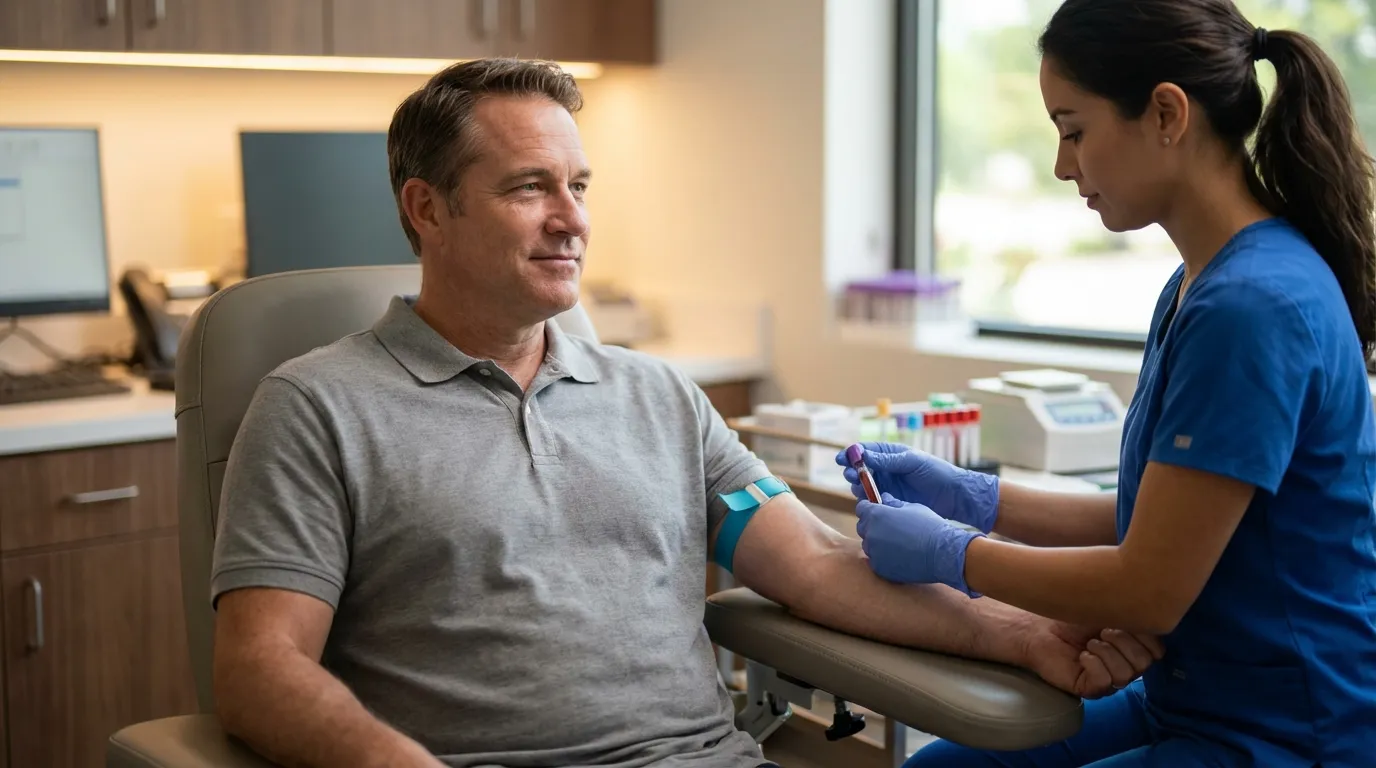
Regular blood work is a non-negotiable part of responsible TRT. Before starting therapy, during the first three months, and every six months thereafter, your provider should be measuring total and free testosterone, estradiol, DHT (in some cases), hematocrit, PSA, and a basic metabolic panel. If your testosterone levels are running significantly above the normal range, acne is one of several signals that your dose may need adjusting.
Estradiol in particular deserves attention. When testosterone aromatizes into estrogen at elevated rates, the hormonal imbalance can influence skin quality and sebum production. Your provider may use an aromatase inhibitor to manage estradiol if it rises too high, which can also help with skin-related symptoms. The article on Estradiol (E2) in Men on TRT: What You Need to Know is a helpful resource for understanding this balance.
If you haven't had comprehensive blood work done recently, TRT Blood Work: Which Tests You Need Before and During Treatment outlines exactly what should be on your panel. Staying on top of monitoring is the most powerful tool you have for keeping your TRT optimized and your side effects, including acne, to a minimum.
Lifestyle Factors That Can Worsen or Improve TRT Acne
Your daily habits have a meaningful impact on how your skin responds to rising testosterone levels. Several lifestyle factors can either worsen existing TRT acne or provide meaningful protection against it.
Diet and inflammation
Research published in the Journal of the American Academy of Dermatology has identified a consistent link between high-glycemic-index diets (white bread, sugary drinks, processed foods) and acne severity. These foods spike insulin and insulin-like growth factor 1 (IGF-1), both of which stimulate androgen production and sebum synthesis. Men on TRT who experience acne often benefit from reducing refined carbohydrates and added sugars. Increasing intake of omega-3 fatty acids from fatty fish, walnuts, and flaxseed can help reduce systemic inflammation and support clearer skin.
Stress and cortisol
Chronic psychological stress elevates cortisol, which can worsen hormonal acne by disrupting the balance of androgens in the skin. Incorporating stress-management practices — whether that's regular exercise, adequate sleep, mindfulness, or therapy — supports both your mental health and your skin. Interestingly, for many men, the mood and energy improvements from TRT itself can reduce chronic stress over time. If you're curious about how testosterone therapy affects mental wellbeing, TRT and Depression: Can Testosterone Improve Your Mood? covers the evidence thoroughly.
Sleep quality
Poor sleep disrupts the hormonal regulation that keeps sebum production in check. Getting seven to nine hours of quality sleep per night is a foundational practice for skin health and overall TRT outcomes alike.
Hydration and exercise
Staying well hydrated keeps the skin barrier functioning optimally and helps flush waste products that can contribute to pore congestion. Regular exercise improves circulation and hormonal balance, but remember to shower soon after workouts to prevent sweat-related breakouts on the back and chest.
These lifestyle adjustments won't eliminate TRT acne on their own if the underlying hormonal drivers are strong, but they can meaningfully reduce the frequency and severity of breakouts — and they support your overall health on TRT at the same time.
Finding the Right TRT Provider to Manage Acne and Beyond
Managing TRT acne successfully comes down, in large part, to working with a qualified, experienced provider who takes a comprehensive approach to your care. A knowledgeable TRT physician doesn't just write your prescription and send you on your way — they monitor your levels, anticipate common side effects like acne, and adjust your protocol proactively when needed.
When evaluating potential providers, look for those who offer routine hormone panels every few months, are willing to adjust dosing and delivery methods based on your individual response, and are comfortable coordinating with dermatologists when skin issues require specialist input. The best TRT clinics treat the whole patient, not just the lab numbers.
If you're not yet on TRT but are experiencing symptoms of low testosterone — fatigue, low libido, mood changes, reduced muscle mass — it may be worth taking the next step. Take the free Low T symptom quiz to get a clearer picture of whether your symptoms align with hypogonadism. You can also find a TRT clinic near you through our directory of vetted providers across the country.
For a step-by-step guide on locating the right physician, How to Find a TRT Doctor (Step-by-Step Guide) is an excellent resource. And if you're weighing whether therapy is right for you at all, Is TRT Worth It? Pros, Cons and Real Experiences offers a balanced, evidence-based look at the full picture.
The bottom line on TRT acne: it's a well-understood, manageable side effect that affects a minority of men on testosterone therapy. With proper skincare, appropriate medical treatment when needed, and a proactive provider monitoring your hormone levels, the vast majority of men can maintain clear skin while benefiting fully from TRT. Don't let the possibility of breakouts stand between you and better health — the right provider will help you navigate it every step of the way.
Sources & References
- Acne and Androgens: A Clinical Review — PubMed / Journal of the American Academy of Dermatology [Link]
- Testosterone Therapy in Adult Men with Androgen Deficiency Syndromes: An Endocrine Society Clinical Practice Guideline — The Endocrine Society / Journal of Clinical Endocrinology & Metabolism [Link]
- Diet and Acne: A Systematic Review — PubMed / Journal of the American Academy of Dermatology [Link]
- Dihydrotestosterone and the Skin: Mechanisms of Action — PubMed / Experimental Dermatology [Link]
- Testosterone and the Skin — PubMed Central / Clinics in Dermatology [Link]
- Acne Vulgaris: Pathogenesis and Treatment — Mayo Clinic [Link]
- Male Hypogonadism: Diagnosis and Treatment — Cleveland Clinic [Link]
Frequently Asked Questions
Ready to Take the Next Step?
Check your symptoms with our free quiz or browse 2,500+ verified TRT clinics.