Medical Disclaimer
The information on this website is for educational purposes only and is not a substitute for professional medical advice, diagnosis, or treatment. Always consult a qualified healthcare provider before starting any hormone therapy. Individual results may vary. TRTmatch does not provide medical services or prescribe medications.
Key Takeaways
- A low testosterone diagnosis requires both confirmed low blood levels (typically below 300 ng/dL on two separate morning tests) and clinical symptoms — neither alone is sufficient.
- Testing should include total testosterone, free testosterone, SHBG, LH, FSH, estradiol, PSA, prolactin, CBC, and thyroid function for a complete picture.
- Symptoms like fatigue, low libido, brain fog, and muscle loss are common indicators, but they overlap with other conditions — a thorough medical evaluation is essential.
- Understanding whether you have primary or secondary hypogonadism helps your provider choose the most appropriate treatment approach.
- TRT is an FDA-recognized, well-studied treatment for confirmed hypogonadism — it is safe and effective when managed by a qualified provider with proper monitoring.
- Working with an experienced TRT provider who monitors labs, screens for related conditions, and adjusts dosing is the most important factor in successful treatment.
If you've been feeling chronically tired, struggling with low libido, losing muscle despite working out, or dealing with brain fog that just won't lift, you may be wondering whether low testosterone is the cause. You're not alone — an estimated 2 to 4 million American men have clinically low testosterone levels, yet many go undiagnosed for years. Understanding the low testosterone diagnosis process is the first step toward getting answers and feeling like yourself again.
Disclaimer: This article is for educational purposes only and does not constitute medical advice. Always consult a qualified healthcare provider before making any decisions about your health or treatment options.
This guide covers the complete process — from recognizing early warning signs, to requesting the right blood tests, to understanding your results and exploring treatment. Whether you're just starting to ask questions or already have a lab report in hand, you'll find clear, practical answers here. You can also take the free Low T symptom quiz to get a quick sense of whether your symptoms align with low testosterone before you see a doctor.

Recognizing the Symptoms That Lead to a Low Testosterone Diagnosis
The path to diagnosis almost always begins with symptoms. Testosterone affects dozens of body systems — energy, mood, sexual function, muscle mass, bone density, cognitive clarity, and more. That broad influence means the signs of low testosterone can look very different from man to man, which is part of why the condition is so frequently overlooked.
The most commonly reported symptoms include:
- Persistent fatigue and low energy, even after adequate sleep
- Reduced sex drive or libido
- Erectile dysfunction or difficulty maintaining erections
- Loss of muscle mass or difficulty building muscle despite exercise
- Increased body fat, particularly around the abdomen
- Mood changes including irritability, low motivation, or depression
- Brain fog, poor concentration, or memory lapses
- Reduced bone density or unexplained joint discomfort
- Decreased body or facial hair
- Difficulty sleeping or poor sleep quality
It's worth noting that many of these symptoms overlap with other conditions like thyroid disorders, depression, sleep apnea, or anemia. This is exactly why self-diagnosing isn't enough — a proper evaluation is essential. If several of these symptoms resonate with your experience, check out our detailed guide on 10 Signs of Low Testosterone in Men for a deeper breakdown.
Age matters too. Testosterone naturally declines about 1 to 2 percent per year after age 30. By their 40s and 50s, many men notice a meaningful cumulative drop. Read more about Low Testosterone Symptoms After 40 to understand what's considered a normal part of aging versus what warrants clinical attention.
The important takeaway: if multiple symptoms are affecting your quality of life, that's a legitimate reason to pursue testing. Don't dismiss what your body is telling you.
When Should You See a Doctor About Low T?
Many men wait months or even years before bringing their symptoms to a doctor. Some assume it's just stress or aging. Others feel embarrassed. But low testosterone is a recognized medical condition, and seeking evaluation is entirely appropriate — and often overdue.
You should consider scheduling an appointment if:
- You've had persistent symptoms for three months or more
- Your symptoms are affecting your relationships, work performance, or mental health
- You've ruled out obvious lifestyle causes (poor sleep, high stress, poor diet)
- You're over 30 and noticing a noticeable decline in energy, drive, or physical capacity
The type of doctor you see matters. Your primary care physician is a reasonable starting point — they can order initial bloodwork and rule out other causes. However, for a thorough evaluation and potential treatment, many men benefit from seeing a specialist. Endocrinologists, urologists, and dedicated men's health or TRT clinics all have experience with hypogonadism. For guidance on navigating this choice, see our article on What Type of Doctor Prescribes TRT.
Increasingly, men are also turning to telemedicine TRT providers, which offer convenient access to evaluation and treatment from home. These platforms have become a popular, clinically sound option — especially for men in areas with limited specialist access. Our guide to Best Telemedicine TRT Providers covers the top options available today.
Regardless of who you see, come prepared. Write down your symptoms, their duration, and any relevant medical history. The more information you bring, the more productive your appointment will be.
The Blood Tests Required for a Low Testosterone Diagnosis
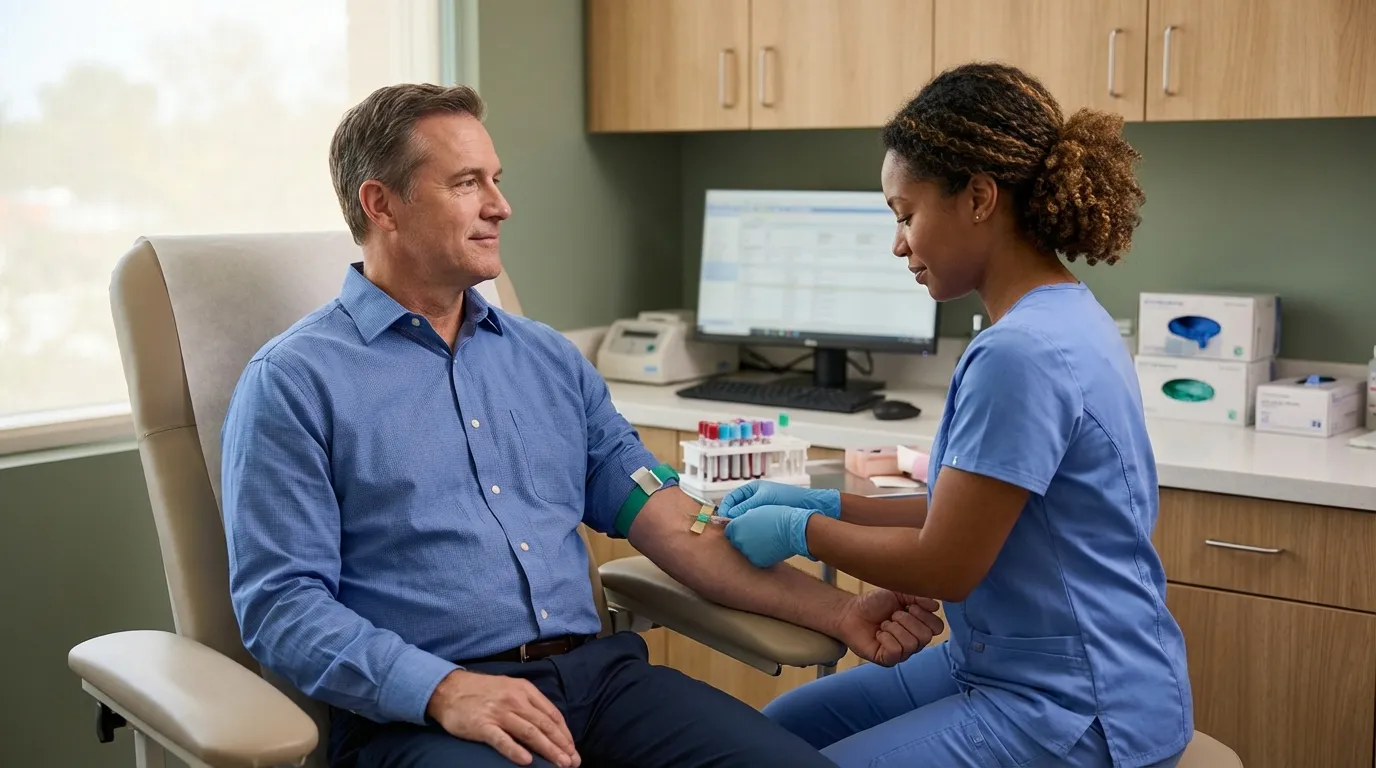
Blood testing is the cornerstone of any low testosterone diagnosis. Symptoms alone are not sufficient — clinical guidelines from the Endocrine Society and the American Urological Association require laboratory confirmation before treatment can begin. Here's what to expect from the testing process.
Primary Tests for Low Testosterone Diagnosis
Total Testosterone: This is the standard first measure. It reflects the total amount of testosterone in your bloodstream, both bound and unbound. The test should be performed in the morning — ideally between 7 and 10 a.m. — because testosterone follows a diurnal rhythm and peaks earlier in the day. According to the Endocrine Society, a level below 300 ng/dL on two separate morning tests is the clinical threshold for hypogonadism in most guidelines, though some organizations use 264 ng/dL as the cutoff.
Free Testosterone: Only about 2 to 3 percent of testosterone circulates freely in the bloodstream and is immediately bioavailable to tissues. Many men have total testosterone in the normal range but still experience symptoms because their free testosterone is low — often due to elevated SHBG (sex hormone-binding globulin). Free T testing adds crucial diagnostic detail. Learn more in our guide on Free vs Total Testosterone: What Really Matters.
SHBG (Sex Hormone-Binding Globulin): This protein binds testosterone and renders it inactive. High SHBG can artificially inflate total testosterone readings while leaving very little free testosterone available. Testing SHBG helps paint an accurate picture of your hormonal status. Read our dedicated explainer on What Is SHBG and Why It Matters for TRT.
Supporting Panel Tests
A responsible provider will also order a broader panel to understand the full hormonal picture and rule out other contributing conditions. This typically includes:
- LH and FSH: These pituitary hormones reveal whether the problem originates in the testes (primary hypogonadism) or the brain's signaling pathway (secondary hypogonadism). See LH and FSH Explained for more detail.
- Estradiol (E2): Testosterone converts to estrogen in the body. Checking baseline estradiol helps guide treatment decisions.
- CBC (Complete Blood Count): To assess baseline hematocrit and red blood cell levels.
- PSA (Prostate-Specific Antigen): Required before starting TRT to establish a baseline prostate health marker.
- Prolactin: Elevated prolactin can suppress testosterone and may indicate a pituitary issue.
- Thyroid function (TSH): Thyroid disorders can mimic or worsen low testosterone symptoms.
- Comprehensive metabolic panel: To assess liver and kidney function.
For a complete breakdown of what should be tested before and during TRT, see our guide on TRT Blood Work: Which Tests You Need.

Understanding Your Lab Results and Reference Ranges
Once your results come back, understanding what they mean is critical. Reference ranges can vary between labs, which adds confusion for many men. Here's a practical framework for interpreting your numbers.
| Test | Normal Range | Low / Concerning Range |
|---|---|---|
| Total Testosterone | 300–1000 ng/dL | Below 300 ng/dL |
| Free Testosterone | 9–30 pg/mL (varies by age) | Below 9 pg/mL |
| SHBG | 10–57 nmol/L | Above 57 nmol/L (reduces free T) |
| LH | 1.7–8.6 mIU/mL | Low suggests secondary hypogonadism |
| Estradiol (E2) | 10–40 pg/mL | Above 40 pg/mL may cause symptoms |
| PSA | Below 4.0 ng/mL | Elevated warrants further evaluation |
It's important to understand that lab ranges represent statistical norms, not optimal health targets. A man with a total testosterone of 310 ng/dL is technically within the "normal" range, but may still experience significant symptoms — especially if his free testosterone or SHBG levels are unfavorable. This is why symptoms and lab values must be interpreted together, not in isolation.
The Endocrine Society's clinical guidelines recommend confirming low levels with a second morning blood test before making a diagnosis. A single low reading could reflect temporary factors like illness, poor sleep the night before, or a late-morning draw. Confirming with a repeat test ensures diagnostic accuracy.
For a detailed look at how testosterone levels vary across different age groups, visit our Testosterone Levels by Age: Full Chart guide.
What Causes Low Testosterone? Understanding the Root of the Problem
Once a diagnosis is confirmed, a good provider will want to understand why your testosterone is low. This matters because the underlying cause affects treatment decisions. There are two primary categories of hypogonadism.
Primary hypogonadism means the testes themselves are not producing adequate testosterone, despite adequate signaling from the brain. Causes include testicular injury, chemotherapy or radiation, undescended testicles, Klinefelter syndrome, or age-related testicular decline. In this scenario, LH and FSH levels will typically be elevated — the pituitary is sending strong signals, but the testes aren't responding.
Secondary hypogonadism (also called hypogonadotropic hypogonadism) means the problem originates in the hypothalamus or pituitary gland, which is failing to send the appropriate hormonal signals. LH and FSH will be low or inappropriately normal. Causes include obesity, opioid use, pituitary tumors, head trauma, or chronic illness. Some lifestyle factors — including excessive alcohol consumption and poor sleep — can also suppress the hypothalamic-pituitary axis.
Common contributing factors across both types include:
- Obesity (excess body fat converts testosterone to estrogen)
- Type 2 diabetes and metabolic syndrome
- Chronic stress and elevated cortisol
- Sleep deprivation and untreated sleep apnea
- Certain medications including opioids, corticosteroids, and some antidepressants
- Natural aging (age-related decline begins in the early 30s)
For a comprehensive look at all contributing factors, read our article on What Causes Low Testosterone in Men. Understanding the root cause helps your provider tailor the most effective treatment approach for your specific situation.
The Role of Symptoms vs. Lab Numbers in Confirming a Diagnosis
One of the most important nuances in testosterone medicine is that diagnosis is not purely numbers-based. The Endocrine Society, the American Urological Association, and other leading bodies are clear: a proper low testosterone diagnosis requires both consistently low blood levels and clinical symptoms. Neither criterion alone is sufficient.
This means a man with a total testosterone of 250 ng/dL who feels completely fine may not need treatment. Conversely, a man with levels at 320 ng/dL experiencing significant fatigue, low libido, and depression warrants a closer look — particularly at free testosterone and SHBG, which may reveal a clinically meaningful deficit.
This symptom-plus-lab approach protects against over-treatment and ensures that men who genuinely need help receive it. It also underscores the importance of working with a provider who listens to the full clinical picture, not just glancing at a single number.
Conditions that can mimic or compound low testosterone symptoms include depression, hypothyroidism, anemia, sleep apnea, and vitamin D deficiency. A thorough provider will screen for these as part of the diagnostic process. If you're curious how mood symptoms factor in, our article on TRT and Depression: Can Testosterone Improve Your Mood? explores this connection in depth.
The bottom line: if your symptoms are real and persistent, they deserve investigation. Don't let a single borderline lab result — in either direction — be the end of the conversation with your doctor.
What Happens After Diagnosis: Your Treatment Options
Once a low testosterone diagnosis is confirmed, you and your provider will discuss treatment options. For men with confirmed hypogonadism and meaningful symptoms, testosterone replacement therapy (TRT) is the most direct and well-studied intervention available. It is an FDA-recognized medical treatment — not a fringe supplement or experimental protocol.
The most common TRT delivery methods include:
- Testosterone injections (cypionate or enanthate): Typically administered weekly or twice weekly, either intramuscularly or subcutaneously. Highly effective and cost-efficient. See our TRT Injections vs Gel comparison for details.
- Topical gels and creams: Applied daily to skin. Convenient but require care to avoid transfer to partners or children.
- Pellet implants: Inserted under the skin every 3 to 6 months for steady hormone release. Explore the Testosterone Injections vs Pellets comparison to weigh the trade-offs.
- Oral testosterone (Jatenzo, Kyzatrex): Newer formulations that are taken twice daily with food.
- Nasal gels: Applied intranasally three times daily. Less commonly prescribed.
For men who want to preserve fertility or prefer to stimulate their body's own production, alternatives like clomiphene citrate (Clomid) or enclomiphene may be appropriate. Your provider can discuss which approach fits your goals. See our comparison of Clomid vs TRT for a full breakdown.
If cost or insurance coverage is a concern, our guide on Does Insurance Cover TRT? walks through what plans typically cover and what to expect out of pocket.
Finding the Right Provider for Your Low Testosterone Diagnosis
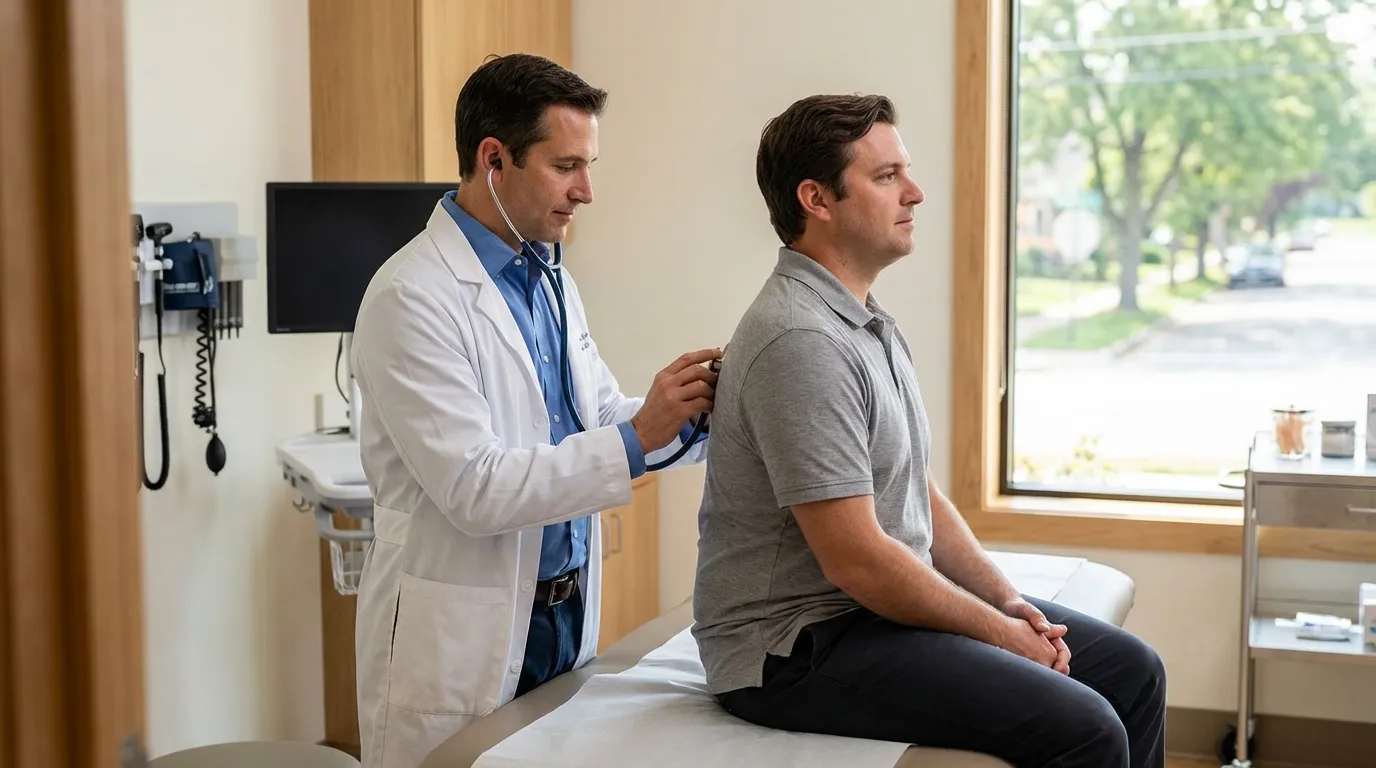
Perhaps the most important decision you'll make in this process is choosing the right provider. A good TRT doctor doesn't just look at your numbers — they listen to your symptoms, order a thorough panel, explain your results clearly, and build a treatment plan tailored to your goals, health history, and lifestyle.
Key qualities to look for in a TRT provider:
- Experience specifically with hormone optimization and men's health
- Orders a comprehensive panel (not just total testosterone)
- Confirms diagnosis with two separate morning blood draws
- Discusses all treatment options, including non-TRT alternatives
- Provides ongoing monitoring — labs, check-ins, and dose adjustments
- Screens for relevant conditions (prostate health, hematocrit, sleep apnea) before starting therapy
Your first consultation is a two-way assessment. Come prepared with your symptoms, questions, and any previous lab work. Our guide to Your First TRT Consultation: What to Expect will help you walk in confident and ready.
If you're ready to take the next step, find a TRT clinic near you through our directory of vetted providers across the country. Whether you prefer an in-person clinic or a telemedicine platform, there are qualified providers available to help you get the answers you need. You can also browse clinics by state — including TRT clinics in Florida and TRT clinics in Texas — to find options close to home.
For a step-by-step walkthrough of how to find a doctor, see our guide on How to Find a TRT Doctor. And if you want to understand what life on TRT actually looks like, our TRT Before and After: Real Results Explained article shares real-world outcomes from men who've been through the process.
Taking the Next Step After Your Low Testosterone Diagnosis
Getting a proper low testosterone diagnosis is not the end of the road — it's the beginning of a path toward better energy, stronger body composition, improved mood, and a higher quality of life. The process is straightforward when you know what to expect: recognize the symptoms, see a qualified provider, confirm with two morning blood tests, understand your full panel, and discuss your treatment options openly.
The key message is this: a low testosterone diagnosis is not something to fear or dismiss. It is a manageable, treatable medical condition with well-established interventions and decades of clinical research behind them. Men who pursue proper diagnosis and treatment consistently report meaningful improvements in how they feel and function.
If you're still in the early stages of wondering whether this applies to you, start with our free Low T symptom quiz — it takes just a few minutes and gives you a useful starting point for your conversation with a doctor. You can also explore what to realistically expect from treatment in our guide on How Long Does TRT Take to Work.
You don't have to keep guessing. The tools, providers, and information you need are available. Take the first step today.
Sources & References
- Testosterone Therapy in Men with Hypogonadism: An Endocrine Society Clinical Practice Guideline — Journal of Clinical Endocrinology & Metabolism [Link]
- Evaluation and Management of Testosterone Deficiency: AUA Guideline — American Urological Association [Link]
- Testosterone Deficiency (Hypogonadism) — Mayo Clinic [Link]
- Low Testosterone (Male Hypogonadism) — Cleveland Clinic [Link]
- Diagnosis and Treatment of Primary and Secondary Hypogonadism — PubMed / NCBI [Link]
- Testosterone and the Aging Male: Current Evidence and Recommended Practice — PubMed / Clinical Interventions in Aging [Link]
- Sex Hormone-Binding Globulin and Testosterone Measurement — PubMed / NCBI [Link]
Frequently Asked Questions
Ready to Take the Next Step?
Check your symptoms with our free quiz or browse 2,500+ verified TRT clinics.