
Medical Disclaimer
The information on this website is for educational purposes only and is not a substitute for professional medical advice, diagnosis, or treatment. Always consult a qualified healthcare provider before starting any hormone therapy. Individual results may vary. TRTmatch does not provide medical services or prescribe medications.
Key Takeaways
- Multiple types of doctors can prescribe TRT, including urologists, endocrinologists, primary care physicians, men's health specialists, and telemedicine providers — each with different strengths.
- Urologists are well-suited for men with both low testosterone and urological symptoms like erectile dysfunction; endocrinologists are best for complex or secondary hypogonadism cases.
- Primary care physicians are the most accessible starting point, but their experience with TRT varies — a referral to a specialist is always an option.
- Dedicated TRT clinics and telemedicine platforms offer faster access, experienced providers, and built-in monitoring protocols that many men find more convenient.
- Regardless of provider type, look for thorough baseline bloodwork, a symptom-based approach, and a clear ongoing monitoring protocol as signs of quality care.
- Untreated low testosterone is a genuine medical condition — the right doctor will help you get a proper diagnosis and a treatment plan tailored to your needs.
What Doctor Prescribes TRT? A Complete Guide for Men
If you've been experiencing fatigue, low libido, brain fog, or unexplained weight gain, you may have already started researching low testosterone. At some point, a critical question comes up: what doctor prescribes TRT? The answer is more nuanced than you might expect — and the right choice can meaningfully affect the quality of care you receive. This guide walks you through every type of physician who can prescribe testosterone replacement therapy, compares their approaches, and helps you figure out who is the best fit for your situation.
Disclaimer: This article is for educational purposes only and does not constitute medical advice. Always consult a qualified healthcare provider before starting or changing any hormone therapy.
If you're still unsure whether low testosterone is even the issue, a great first step is to take the free Low T symptom quiz — it only takes two minutes and can help you identify whether your symptoms line up with hormonal deficiency before booking an appointment.

The Six Types of Doctors Who Can Prescribe TRT
Testosterone replacement therapy is an FDA-recognized, legal prescription treatment for clinically diagnosed hypogonadism. It is not restricted to a single specialty — in the United States, any licensed physician with prescribing authority can technically order TRT. However, in practice, certain specialties are far more experienced with it. Here are the six most common physician types men turn to:
- Urologists — specialists in the male reproductive and urinary systems
- Endocrinologists — specialists in hormones and the endocrine system
- Primary Care Physicians (PCPs) — general practitioners and internal medicine doctors
- Men's Health Specialists — physicians focused specifically on male hormone optimization
- TRT Clinic Physicians — often board-certified doctors working in dedicated hormone clinics
- Telemedicine Doctors — licensed physicians practicing through online TRT platforms
Each has a different depth of experience, approach to diagnosis, and comfort level with ongoing hormone management. Understanding the differences helps you make an informed decision about where to start your journey. You can also explore our detailed guide on how to find a TRT doctor for a step-by-step breakdown of the process.
Urologists: Strong on Male Health, Growing in TRT
Urologists are surgeons and physicians who specialize in conditions affecting the male urinary tract and reproductive system — including testosterone deficiency. The American Urological Association (AUA) has published comprehensive clinical guidelines on the diagnosis and management of testosterone deficiency, making urology one of the most protocol-driven specialties for TRT.
Men are often referred to urologists when their primary care doctor identifies abnormal testosterone levels or when low T is associated with erectile dysfunction, infertility, or other urological concerns. Urologists tend to be thorough in their initial workup, including total and free testosterone, LH, FSH, prolactin, and PSA levels. They are particularly well-suited for men who have both urological symptoms and suspected low testosterone.
One important thing to know: not every urologist in every practice actively manages ongoing TRT. Some prefer to diagnose, initiate treatment, and refer patients back to their PCP for long-term monitoring. If continuity of TRT management matters to you, it's worth asking upfront whether the urologist provides ongoing hormone optimization or primarily handles initial evaluation. For a deeper look at prostate safety — a common concern urologists address — see our article on TRT and prostate cancer: what the research really shows.
When to Choose a Urologist for TRT
A urologist is often the right choice when your low testosterone symptoms co-exist with other male health concerns, such as erectile dysfunction, reduced ejaculatory volume, or testicular issues. They're also a strong option when your PCP suspects a structural cause of low T (such as varicocele or testicular damage) that requires further investigation.
Endocrinologists: The Hormone Specialists
Endocrinologists are internal medicine subspecialists who focus entirely on hormonal health — including thyroid disorders, diabetes, adrenal conditions, pituitary disorders, and yes, testosterone deficiency. Because the hypothalamic-pituitary-gonadal (HPG) axis governs testosterone production, endocrinologists are uniquely qualified to evaluate whether low T is primary (originating in the testes) or secondary (originating in the pituitary or hypothalamus).
This distinction matters clinically. Secondary hypogonadism — where the pituitary is not sending proper signals — may indicate a pituitary tumor, prolactinoma, or other condition that requires treatment beyond TRT. An endocrinologist is more likely than other specialists to catch these nuanced underlying causes. The Endocrine Society has published gold-standard clinical practice guidelines for male hypogonadism that most endocrinologists follow closely.
The trade-off is access. Endocrinologists are among the most in-demand specialists in the country, with average wait times of 3–6 weeks or longer in many metro areas. Some also take a more conservative diagnostic threshold — for example, preferring to see two separate morning testosterone readings below 300 ng/dL before initiating therapy. If you're experiencing symptoms and want faster access to treatment, this pathway may involve more time upfront.
Understanding the hormonal testing involved is key. Our guide on TRT blood work: which tests you need before and during treatment explains exactly what an endocrinologist or urologist will look for during your workup.
When to Choose an Endocrinologist for TRT
An endocrinologist is your best option when your lab work suggests a more complex hormonal picture — for example, if your LH and FSH levels are unusually low (suggesting secondary hypogonadism), if you have a history of pituitary issues, or if you have other endocrine conditions like thyroid disease or diabetes that interact with testosterone metabolism. For context on how these hormones interrelate, see LH and FSH explained: what they mean for TRT.
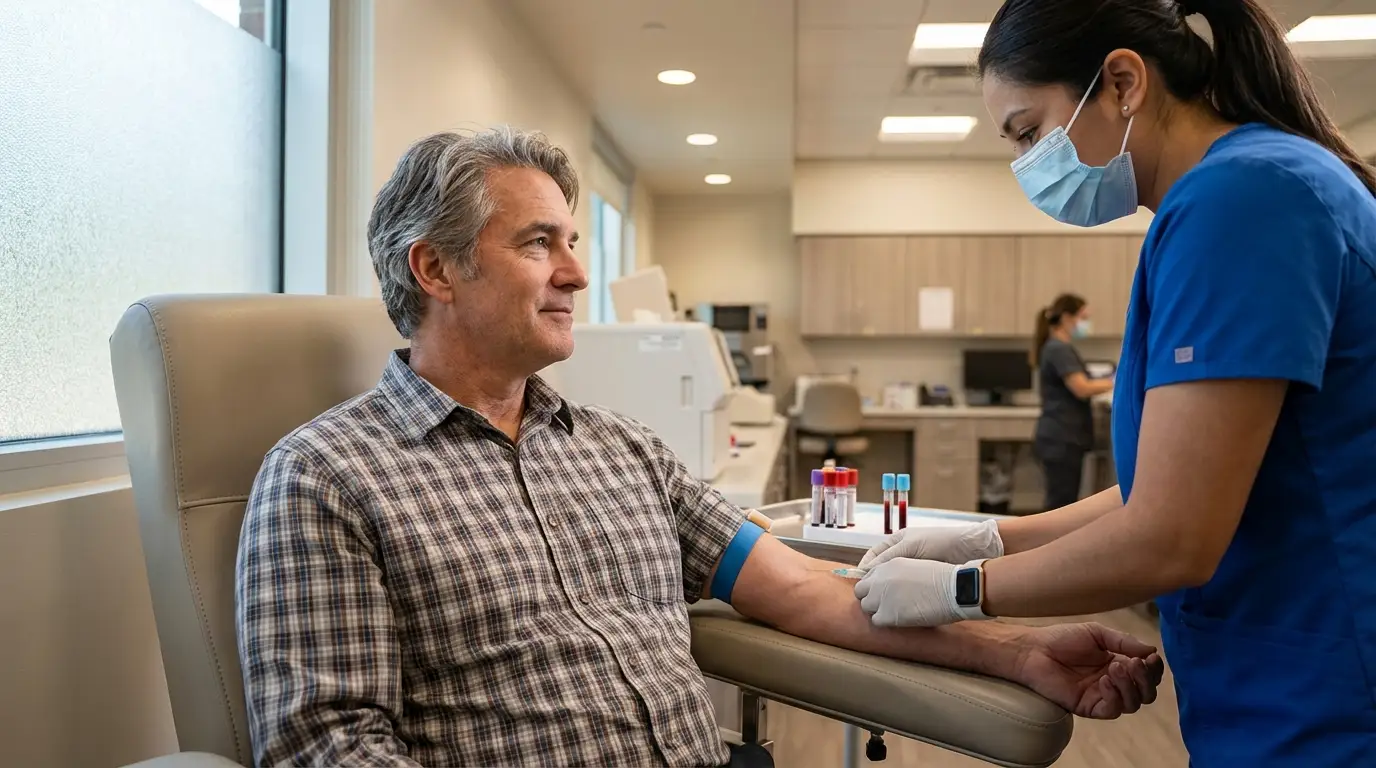
Primary Care Physicians: The Starting Point for Most Men
For many men, the first conversation about low testosterone happens with their primary care physician or family medicine doctor. PCPs can order initial testosterone testing, interpret results, and — depending on their comfort level and training — prescribe TRT directly. According to survey data published in the Journal of Sexual Medicine, primary care physicians account for a significant share of TRT prescriptions in the United States, reflecting their role as the gateway to men's hormonal health.
The benefit of starting with your PCP is convenience and existing relationship. Your doctor already knows your full medical history, current medications, and risk profile, which makes for safer, more contextualized decision-making. Many PCPs will order a basic hormone panel at your annual physical if you report relevant symptoms, making it easy to identify low testosterone without a specialist referral.
The limitation is variability. Some PCPs are highly engaged in hormone optimization and comfortable managing TRT long-term, including monitoring hematocrit, estradiol, and PSA. Others have limited experience with TRT and may be more hesitant to prescribe or adjust dosing based on symptom response rather than just lab numbers. If your PCP is not confident in managing TRT, asking for a referral to a urologist, endocrinologist, or men's health specialist is a completely reasonable and common next step. If you're curious about what symptoms might prompt that first conversation, our article on 10 signs of low testosterone in men is a helpful reference.
Men's Health Clinics and TRT Specialists: Dedicated Expertise
Over the past decade, a growing number of dedicated men's health clinics and hormone optimization practices have emerged across the country. These clinics are staffed by physicians — often with backgrounds in internal medicine, urology, or family medicine — who focus specifically on TRT, sexual health, and male hormone optimization. They represent one of the fastest-growing segments in men's healthcare, driven by demand from men who found traditional medicine slow or inconsistent in addressing hormonal concerns.
The advantages of a dedicated TRT clinic are significant. Doctors in these settings typically see TRT patients exclusively, which means they are highly experienced with protocol adjustments, managing estradiol levels, monitoring hematocrit, and navigating common side effects. Wait times are usually shorter than at specialty clinics, and many offer in-house lab draws for streamlined monitoring. If you want to explore your local options, find a TRT clinic near you using our clinic directory, or check out our in-depth guide on how to find the best TRT clinic near you.
Men's health clinics also tend to take a more holistic approach to optimization — addressing not just testosterone, but also estradiol management, sleep, body composition, and lifestyle factors. This is consistent with the best outcomes research, which shows that TRT works best as part of a broader wellness plan. To understand what to expect when you walk in the door, read our guide on your first TRT consultation: what to expect.
Telemedicine TRT Providers: Convenient, Accessible, and Effective
One of the most significant shifts in TRT prescribing over the past five years has been the rise of telehealth platforms that connect men with licensed physicians who specialize in hormone therapy. Platforms like Defy Medical, Fountain TRT, Maximus, and others allow men to consult with a TRT-prescribing doctor from home, complete lab work at a local draw center, and receive medications by mail — all without visiting a physical clinic.
Telemedicine TRT is regulated: prescribing doctors must be licensed in the patient's state, and controlled substances (including testosterone) require a legitimate physician-patient relationship and documented diagnosis. The Ryan Haight Online Pharmacy Consumer Protection Act governs how controlled substances can be prescribed via telemedicine, ensuring that safety standards are maintained.
For men in rural areas, those with demanding schedules, or anyone who prefers the discretion of at-home consultation, telemedicine TRT is a legitimate and increasingly popular option. Cost is often lower than brick-and-mortar clinics, and monitoring is typically built into the subscription model. You can explore your options in our comparison of online TRT vs local clinic: which is better, and see a full review of the best online TRT clinics for 2026.
How to Compare Your Options: A Quick Reference
| Provider Type | TRT Experience | Wait Time | Ongoing Management | Best For |
|---|---|---|---|---|
| Urologist | High | 2–4 weeks | Varies by practice | Low T + urological symptoms |
| Endocrinologist | High | 3–6+ weeks | Yes | Complex hormonal cases |
| Primary Care Physician | Variable | Days–1 week | Yes (if experienced) | Initial evaluation, established patients |
| Men's Health Clinic | Very High | Days–1 week | Yes | Optimization-focused men |
| Telemedicine Provider | High | Same day–3 days | Yes (subscription model) | Convenience, rural access, privacy |

What to Look for in Any TRT-Prescribing Doctor
Regardless of which type of provider you choose, the quality of your care depends more on the individual physician's approach than their specialty label alone. Here are the key markers of a qualified, trustworthy TRT provider:
- Thorough baseline bloodwork: A responsible provider will test total testosterone, free testosterone, LH, FSH, estradiol, SHBG, hematocrit, PSA, and a comprehensive metabolic panel before starting therapy. For a full breakdown, see our guide on TRT blood work: which tests you need.
- Two confirmed low readings: Per Endocrine Society guidelines, diagnosis should be based on at least two morning testosterone measurements below the normal range, combined with clinical symptoms.
- Ongoing monitoring protocol: Your provider should schedule follow-up labs at 3 months, 6 months, and annually — checking hematocrit, PSA, estradiol, and testosterone levels. Read more about hematocrit and TRT: why your levels matter.
- Symptom-based treatment decisions: The best providers treat the patient, not just the number. Dose adjustments should reflect how you feel, not just where your labs land.
- Transparency about side effects and management: A good doctor discusses potential effects — such as changes in hematocrit, estradiol, or fertility — and has clear protocols for managing them. Our article on TRT side effects: what to expect and how to manage them is a useful resource to review before your consultation.
Taking the Next Step: Finding the Right TRT Doctor for You
Now that you understand what doctor prescribes TRT — and what to look for — the next step is finding the right one for your specific situation. If you have complex health needs or suspect a non-testicular cause of low testosterone, starting with a urologist or endocrinologist is smart. If you want faster access to an experienced, optimization-focused provider, a men's health clinic or telehealth platform may be the better route.
The most important thing is not to wait. Untreated low testosterone is associated with reduced quality of life, decreased bone density, metabolic changes, and mood effects. It's a real medical condition with effective, well-established treatments — and the right physician makes all the difference in how well those treatments work for you.
If you're still unsure about your symptoms, take the free Low T symptom quiz to get a clearer picture before your first appointment. And when you're ready to connect with a qualified provider, find a TRT clinic near you through our verified directory. Understanding what doctor prescribes TRT is the foundation — the next step is making the call. For a full walkthrough of how to move from symptoms to prescription, explore our comprehensive guide on how to get prescribed TRT.
Sources & References
- Diagnosis and Treatment of Hypogonadism in Men: AUA Guideline — American Urological Association [Link]
- Testosterone Therapy in Men with Hypogonadism: An Endocrine Society Clinical Practice Guideline — Journal of Clinical Endocrinology & Metabolism / PubMed [Link]
- Testosterone Deficiency (Hypogonadism) — Overview — Cleveland Clinic [Link]
- Male Hypogonadism — Diagnosis and Treatment — Mayo Clinic [Link]
- Trends in Testosterone Prescribing in the United States — JAMA Internal Medicine / PubMed [Link]
- Evaluation and Management of Testosterone Deficiency — Journal of Urology / PubMed [Link]
- Ryan Haight Online Pharmacy Consumer Protection Act — Telemedicine Prescribing Rules — U.S. Drug Enforcement Administration [Link]
Frequently Asked Questions
Ready to Take the Next Step?
Check your symptoms with our free quiz or browse 2,500+ verified TRT clinics.