
Medical Disclaimer
The information on this website is for educational purposes only and is not a substitute for professional medical advice, diagnosis, or treatment. Always consult a qualified healthcare provider before starting any hormone therapy. Individual results may vary. TRTmatch does not provide medical services or prescribe medications.
Key Takeaways
- Portland offers a wide range of TRT providers including dedicated men's health clinics, urology specialists, primary care physicians, and telemedicine platforms.
- Quality TRT always begins with comprehensive blood work — a provider who prescribes testosterone without labs is a red flag to avoid.
- Monthly TRT costs in Portland typically range from $150 to $600 depending on the delivery method, clinic model, and whether insurance applies.
- Ongoing monitoring — including testosterone levels, hematocrit, PSA, and estradiol — is essential for safe, effective long-term therapy.
- Telemedicine TRT providers are a legitimate, convenient option for Portland men who prefer remote consultations with medication delivered to their door.
- Use TRTmatch.com's clinic directory to compare vetted Portland-area TRT providers and find the right fit for your health goals and budget.
Finding the Best TRT Clinics in Portland: What You Need to Know
If you've been struggling with low energy, reduced libido, brain fog, or unexplained weight gain, low testosterone may be a contributing factor — and you're not alone. Millions of American men are affected by clinically low testosterone levels, and Portland has become home to a growing number of specialized clinics offering evidence-based testosterone replacement therapy (TRT). Whether you're just starting your research or ready to book your first appointment, this guide will walk you through everything you need to know about finding the best TRT clinics Portland has to offer in 2026.
Disclaimer: This article is for educational purposes only and does not constitute medical advice. Always consult a licensed healthcare provider before beginning any hormone therapy.
Not sure if your symptoms point to low testosterone? Take the free Low T symptom quiz to get a clearer picture before your first consultation.
What Is TRT and Who Is It For?
Testosterone replacement therapy is an FDA-recognized medical treatment designed to restore testosterone levels in men whose bodies no longer produce adequate amounts of the hormone. It is not a performance-enhancing shortcut — it is a carefully managed, clinically indicated therapy used by physicians, urologists, and endocrinologists worldwide.
According to the Endocrine Society, hypogonadism — the clinical term for low testosterone — affects roughly 2–6% of men overall, with prevalence rising significantly after age 40. Symptoms can include fatigue, low sex drive, loss of muscle mass, increased body fat, mood changes, and difficulty concentrating. If you recognize several of these in yourself, you may be a good candidate for evaluation. For a deeper look at the signs, read our article on 10 Signs of Low Testosterone in Men.
TRT is delivered in several forms, including intramuscular injections, subcutaneous injections, topical gels, patches, pellets, and oral capsules. The right delivery method depends on your lifestyle, preferences, and your provider's clinical assessment. For a side-by-side comparison, see our Testosterone Injections vs Pellets: Full Comparison.
Portland men have access to a wide range of delivery options across local clinics, so finding a method that fits your routine is entirely achievable with the right provider in your corner.

How to Evaluate TRT Clinics in Portland
Not all testosterone clinics are created equal. When researching Portland TRT providers, there are several key quality indicators to look for before committing to a clinic.
Credentials and Medical Supervision
The most important factor is whether the clinic is staffed by licensed physicians — ideally those with specialization in urology, endocrinology, or men's health. Avoid any provider that prescribes testosterone without a full diagnostic workup including blood panels. Proper TRT requires baseline lab testing, physical examination, and a review of your health history. Learn what labs are necessary in our guide on TRT Blood Work: Which Tests You Need Before and During Treatment.
Comprehensive Screening Process
A quality clinic will screen for conditions that require special consideration before TRT begins — including sleep apnea, elevated hematocrit, prostate health, and cardiovascular history. While TRT may require additional monitoring in men with certain pre-existing conditions, these considerations are well-understood and manageable when a qualified provider is guiding your care. For more context, our article on Is TRT Safe? Heart, Prostate and Long-Term Health Risks Explained provides a balanced overview.
Ongoing Monitoring and Follow-Up
Quality TRT is not a one-and-done prescription. The best Portland testosterone clinics will schedule regular blood work — typically at 3, 6, and 12 months — to monitor hormone levels, hematocrit, PSA, and other key markers. Ask any prospective clinic how frequently they monitor patients and whether dose adjustments are included in their care model.
Transparent Pricing and Insurance Clarity
Costs vary significantly between providers. Some clinics accept insurance for the diagnostic phase while charging a flat monthly fee for ongoing care. Others operate on a cash-pay model with bundled pricing. To understand what you might pay, read our detailed TRT Cost: Full Price Breakdown (Monthly and Yearly).
Types of TRT Clinics Available in Portland
Portland men have multiple types of providers to choose from, and understanding the differences can help you make a more informed decision about your care.
Dedicated Men's Health Clinics
These are clinics that specialize exclusively in men's health and hormone optimization. They tend to have streamlined intake processes, experienced hormone specialists on staff, and comprehensive monitoring protocols. They often offer a broader range of complementary services such as peptide therapy, sexual health support, and weight management. If those topics interest you, explore our article on TRT and Peptide Therapy: Can You Combine Them?.
Primary Care and Internal Medicine Practices
Some primary care physicians in Portland are comfortable diagnosing and managing TRT. This can be a convenient option if you already have an established relationship with your doctor and they have experience with hormone therapy. However, not all primary care providers are up to date on the latest TRT protocols, so it's worth asking about their experience level.
Urology and Endocrinology Specialists
Urologists and endocrinologists are among the most qualified providers for TRT diagnosis, particularly for men with complex histories or underlying conditions. Wait times for specialist appointments in Portland can be longer, but for men who need a thorough hormonal workup, this route is often worth it. To understand which specialist is right for your situation, read What Type of Doctor Prescribes TRT? (Urologist vs Endo).
Telemedicine TRT Providers Serving Portland
Several high-quality national telemedicine TRT companies operate legally in Oregon, offering consultations, lab coordination, and medication delivery entirely online. This can be an excellent option for men with busy schedules or those in the Portland suburbs and surrounding areas like Beaverton, Hillsboro, or Gresham. For a full breakdown of online options, see our guide to Best Telemedicine TRT Providers.

What to Expect at Your First Portland TRT Consultation
Walking into your first testosterone consultation can feel daunting if you don't know what to expect. Here's a step-by-step overview of the typical process at a quality Portland TRT clinic.
Step 1 — Initial blood work: You'll have a blood draw to measure total testosterone, free testosterone, LH, FSH, estradiol, hematocrit, PSA, and a comprehensive metabolic panel. Some clinics order labs before your appointment; others draw blood on-site. Understanding the difference between free and total testosterone is important — read Free vs Total Testosterone: What Really Matters for clarity.
Step 2 — Medical consultation: A physician or nurse practitioner will review your lab results, symptom history, and overall health. They'll ask about sleep quality, sexual function, energy levels, mood, and any relevant medical history. This is also the time to ask questions about delivery methods, monitoring schedules, and expected timelines.
Step 3 — Personalized treatment plan: If you're a good candidate, your provider will recommend a starting protocol — typically a conservative dose designed to restore your levels to the optimal physiological range. Most men start seeing results within 4–12 weeks. For a realistic timeline, read How Long Does TRT Take to Work?.
Step 4 — Ongoing monitoring: Your provider will schedule follow-up labs and check-ins to fine-tune your dosage and monitor your health markers. This continuous oversight is what separates medically supervised TRT from anything less rigorous.
For a full deep-dive into the consultation process, visit our guide on Your First TRT Consultation: What to Expect.
Cost of TRT in Portland: What to Budget
The cost of testosterone replacement therapy in Portland varies depending on the type of provider, the delivery method, and whether insurance is involved. Here is a general breakdown to help you plan.
| Service Component | Estimated Cost (Portland) |
|---|---|
| Initial consultation | $100 – $300 |
| Baseline blood work | $100 – $400 (varies by panel) |
| Monthly TRT medication (injections) | $30 – $150/month |
| Monthly TRT medication (gels/patches) | $100 – $400/month |
| Ongoing monitoring and follow-up labs | $75 – $250 per blood draw |
| Clinic management fee (some clinics) | $99 – $199/month |
Insurance may cover the diagnostic phase and medication if you receive a clinical diagnosis of hypogonadism. However, many men's health clinics in Portland operate on a cash-pay model, which can actually simplify billing and reduce out-of-pocket costs compared to using insurance with high deductibles. For a full overview of coverage options, see Does Insurance Cover TRT? What You Need to Know. If budget is a concern, our article on TRT Financing: How to Make Treatment Affordable has practical strategies.
Key Questions to Ask Any Portland TRT Provider
Before committing to a clinic, it pays to ask the right questions. Here are the most important ones to raise during your first consultation or intake call.
- What labs do you run before prescribing testosterone? A thorough provider should test at minimum total testosterone, free testosterone, LH, FSH, estradiol, PSA, hematocrit, and a metabolic panel.
- How frequently will you monitor my levels after I start? Look for a clinic that schedules follow-up labs at 6–12 weeks, then every 3–6 months thereafter.
- Do you manage estrogen levels as part of the protocol? Aromatization — where testosterone converts to estrogen — is a normal physiological process that some men need help managing. Understanding estrogen management is covered in our article on Anastrozole on TRT: When You Need an Estrogen Blocker.
- What delivery methods do you offer? A good clinic should offer multiple options — injections, gels, pellets — so your protocol matches your lifestyle. Compare the two most popular options in TRT Injections vs Gel: Which Is Better?
- What is your approach to fertility preservation? If you plan to have children, ask about HCG or clomiphene protocols. Read more in TRT and Fertility: Can You Have Kids on Testosterone?
- What does ongoing care cost and what is included? Make sure you understand the full cost of monitoring, adjustments, and follow-ups before you start.
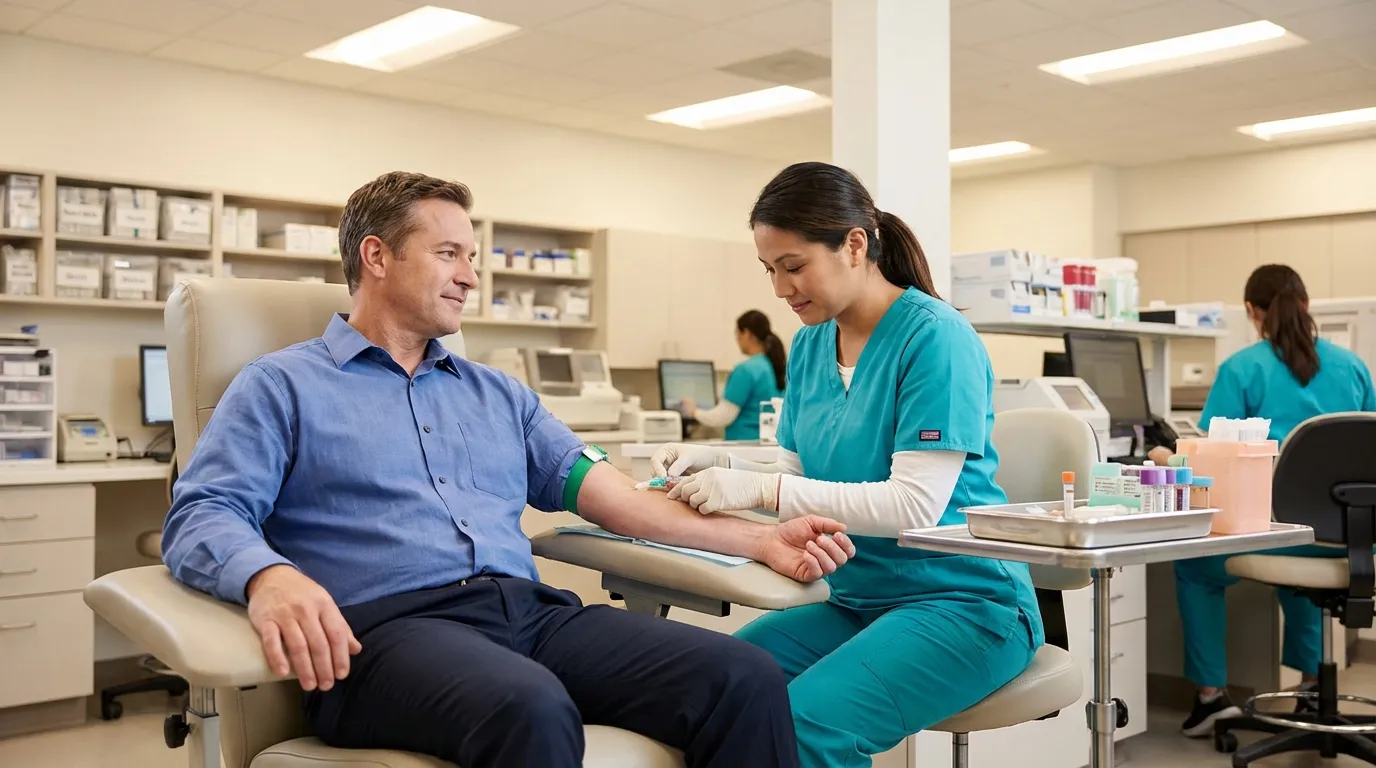
Portland TRT Clinics vs Online TRT Providers: Which Is Right for You?
One of the most common questions Portland men have in 2026 is whether to see a local clinic in person or use a telemedicine TRT provider. Both are legitimate options, and the right choice depends on your individual circumstances.
Local Portland TRT clinics offer the advantage of in-person examinations, on-site blood draws, and a direct relationship with your provider. Some men prefer the reassurance of seeing a doctor face-to-face, especially when starting a new therapy. Local clinics can also be particularly valuable if you have complex health history that warrants closer supervision.
Online TRT providers, on the other hand, offer unmatched convenience. You can complete your consultation via video call, have labs drawn at a nearby LabCorp or Quest Diagnostics location, and receive medication shipped directly to your door. Quality telemedicine providers use the same diagnostic standards as in-person clinics and provide ongoing monitoring via digital health platforms. For a head-to-head comparison, see Online TRT vs Local Clinic: Which Is Better?.
For Portland men in outer neighborhoods or suburban areas — Tigard, Lake Oswego, Clackamas, or Tualatin — telemedicine can eliminate commute time while maintaining clinical quality. Some men even use a hybrid approach: initial in-person evaluation locally, then ongoing management through a telemedicine platform.
Regardless of which route you choose, the key is working with a provider who takes a thorough, individualized approach. Ready to start? Find a TRT clinic near you using our directory, which features vetted providers across Oregon and nationwide.
How to Get Started: Your Next Steps Toward Better Health
If you've read this far, you're clearly serious about taking action — and that's the most important step. Finding the best TRT clinics Portland offers doesn't have to be a lengthy or stressful process when you know what to look for.
Start by tracking your symptoms over the past few weeks. Note changes in energy, sleep quality, mood, libido, and physical performance. This symptom history is valuable information for your first consultation. If you haven't already, take the free Low T symptom quiz to help organize your thoughts before you speak with a provider.
Next, decide whether you prefer an in-person clinic or a telemedicine option — both are excellent choices in 2026. If you want to see someone locally in Portland, our clinic directory makes it easy to browse and compare providers. If you're interested in the convenience of online care, our guide on How to Find a TRT Doctor (Step-by-Step Guide) covers both paths in detail.
Once you're in care, set realistic expectations. Most men begin noticing improvements in energy and mood within the first 4–6 weeks, with more significant changes in body composition and libido typically emerging by the 3-month mark. For a realistic picture of what TRT can deliver, read TRT Before and After: Real Results Explained.
The best TRT clinics Portland has available are ready to help you feel and perform at your best. With the right provider, the right protocol, and proper monitoring, testosterone replacement therapy is a well-established, safe, and highly effective treatment — and the right care is closer than you think.
Sources & References
- Testosterone Therapy in Men with Hypogonadism: An Endocrine Society Clinical Practice Guideline — The Journal of Clinical Endocrinology & Metabolism [Link]
- Evaluation and Management of Testosterone Deficiency: AUA Guideline — American Urological Association [Link]
- Testosterone and Aging: Clinical Research Directions — National Academies Press / PubMed [Link]
- Hypogonadism in Men: Overview and Clinical Management — Mayo Clinic [Link]
- Testosterone Replacement Therapy: Current Trends and Future Directions — PubMed Central / Human Reproduction Update [Link]
- Adverse Effects of Testosterone Replacement Therapy: An Update on the Evidence and Controversy — PubMed Central / Therapeutic Advances in Drug Safety [Link]
Frequently Asked Questions
Ready to Take the Next Step?
Check your symptoms with our free quiz or browse 2,500+ verified TRT clinics.