
Medical Disclaimer
The information on this website is for educational purposes only and is not a substitute for professional medical advice, diagnosis, or treatment. Always consult a qualified healthcare provider before starting any hormone therapy. Individual results may vary. TRTmatch does not provide medical services or prescribe medications.
Key Takeaways
- TRT costs typically range from $99–$500+ per month depending on delivery method and clinic type, but multiple strategies can bring this down significantly.
- Insurance often covers injectable testosterone when hypogonadism is formally diagnosed — two low morning testosterone readings and a physician's prescription are usually required.
- HSA and FSA accounts allow you to pay for TRT with pre-tax dollars, effectively giving you a 22–32% discount depending on your tax bracket.
- Online TRT clinics offering subscription-based pricing ($99–$199/month all-in) are the most accessible and affordable option for many men without insurance coverage.
- Generic injectable testosterone cypionate combined with prescription discount cards like GoodRx can reduce medication costs to under $50 per month in many cases.
- Medical financing options like CareCredit offer 0% APR promotional periods that can spread upfront costs like pellet insertion over 6–24 months interest-free.
Disclaimer: This article is for educational purposes only and does not constitute medical advice. Always consult a qualified healthcare provider before starting or changing any medical treatment.
If you've been researching testosterone replacement therapy and feeling frustrated by the cost, you're not alone. Many men discover that TRT delivers life-changing results — improved energy, better mood, stronger libido, and sharper focus — but then hesitate when they see the price tag. The good news is that trt financing options are more plentiful than most people realize, and with the right strategy, testosterone therapy can fit into almost any budget. This guide walks you through every practical avenue, so cost doesn't stand between you and feeling your best.
If you're still unsure whether low testosterone is actually behind your symptoms, take the free Low T symptom quiz to get a clearer picture before diving into the financial side of things.

TRT Financing Options: What Does TRT Actually Cost? A Realistic Baseline
Before exploring ways to reduce what you pay, it helps to understand what TRT typically costs in the first place. According to data from major telehealth and in-person TRT clinics, monthly costs in the United States generally fall into these ranges:
| Treatment Type | Estimated Monthly Cost | Notes |
|---|---|---|
| Testosterone Cypionate Injections | $50 – $150 | Most affordable delivery method |
| Testosterone Gel or Cream | $100 – $300 | Varies widely by brand vs. compounded |
| Testosterone Pellets | $300 – $600 per insertion | Inserted every 3–6 months |
| Online TRT Clinic (All-In) | $99 – $199 | Often includes labs, consults, medication |
| Traditional In-Person Clinic | $150 – $500+ | Varies greatly by location and services |
These figures typically cover the medication itself. You'll also want to factor in initial lab work, physician consultations, and ongoing monitoring blood tests. For a full breakdown, see our detailed TRT Cost Per Month in the USA (2026 Price Guide). Across a full year, out-of-pocket TRT costs can range from under $1,200 to over $6,000 depending on the delivery method, clinic type, and whether insurance contributes anything.
Understanding this baseline is the first step toward building a smart financial plan. Once you know your realistic number, the trt financing options below can help you bring it down significantly.
Does Insurance Cover TRT? What You Need to Know First
Insurance coverage for testosterone replacement therapy is the first question most men ask — and the answer is nuanced. Many insurance plans do cover TRT, but typically only when hypogonadism is formally diagnosed and documented through blood work. Coverage is usually tied to a confirmed diagnosis, not just symptoms.
Here's what typically needs to happen for insurance to cover TRT:
- Two morning blood tests showing low total testosterone (generally below 300 ng/dL)
- A diagnosis of hypogonadism documented in your medical record
- Prescription written by a licensed physician
- Use of an approved delivery method (injectable testosterone is most commonly covered)
Medicare Part D often covers injectable testosterone for qualifying men. Medicaid coverage varies significantly by state. Many private insurance plans cover generic testosterone cypionate with a standard co-pay, which can drop your monthly cost to as little as $20–$50. The challenge arises when you're using newer delivery methods like pellets or certain compounded formulations, which are frequently excluded.
For a deep dive into navigating the insurance landscape, read our full guide: Does Insurance Cover TRT? What You Need to Know. If insurance denies your claim, the next sections outline practical alternatives that can still make therapy very affordable.
It's also worth noting that proper lab documentation isn't just for insurance purposes — it's good medicine. TRT blood work is essential for establishing a diagnosis and monitoring your health throughout treatment.
HSA and FSA Accounts: The Tax-Advantaged TRT Financing Option
One of the most underutilized trt financing options is the Health Savings Account (HSA) or Flexible Spending Account (FSA). If you have access to either of these through your employer or health plan, they can meaningfully reduce what TRT costs you in real-dollar terms.
Here's why this matters: both HSAs and FSAs allow you to pay for qualifying medical expenses with pre-tax dollars. Depending on your tax bracket, that can represent an effective 22–32% discount on every dollar you spend on TRT.
HSA vs. FSA: Which Works Better for TRT Financing Options?
| Feature | HSA | FSA |
|---|---|---|
| Eligibility | Must have high-deductible health plan | Most employer health plans |
| 2026 Contribution Limit (Individual) | $4,300 | $3,300 |
| Rollover | Yes — funds roll over indefinitely | Limited — use-it-or-lose-it |
| Eligible TRT Expenses | Prescriptions, labs, office visits | Prescriptions, labs, office visits |
| Tax Advantage | Triple tax-advantaged | Pre-tax contributions |
Both accounts can be used to pay for prescription testosterone, lab work, physician consultation fees, and monitoring visits. If your employer offers an HSA-eligible health plan, maximizing your HSA contributions and using those funds for TRT is one of the smartest financial moves available to you. Over the course of a year, this strategy alone could save you $400–$1,000 in real costs.
One practical tip: ask your TRT provider for itemized receipts and detailed invoices for every service. This makes HSA/FSA reimbursement straightforward and avoids any documentation headaches later.
Online TRT Clinics: The Most Accessible Affordable Payment Route
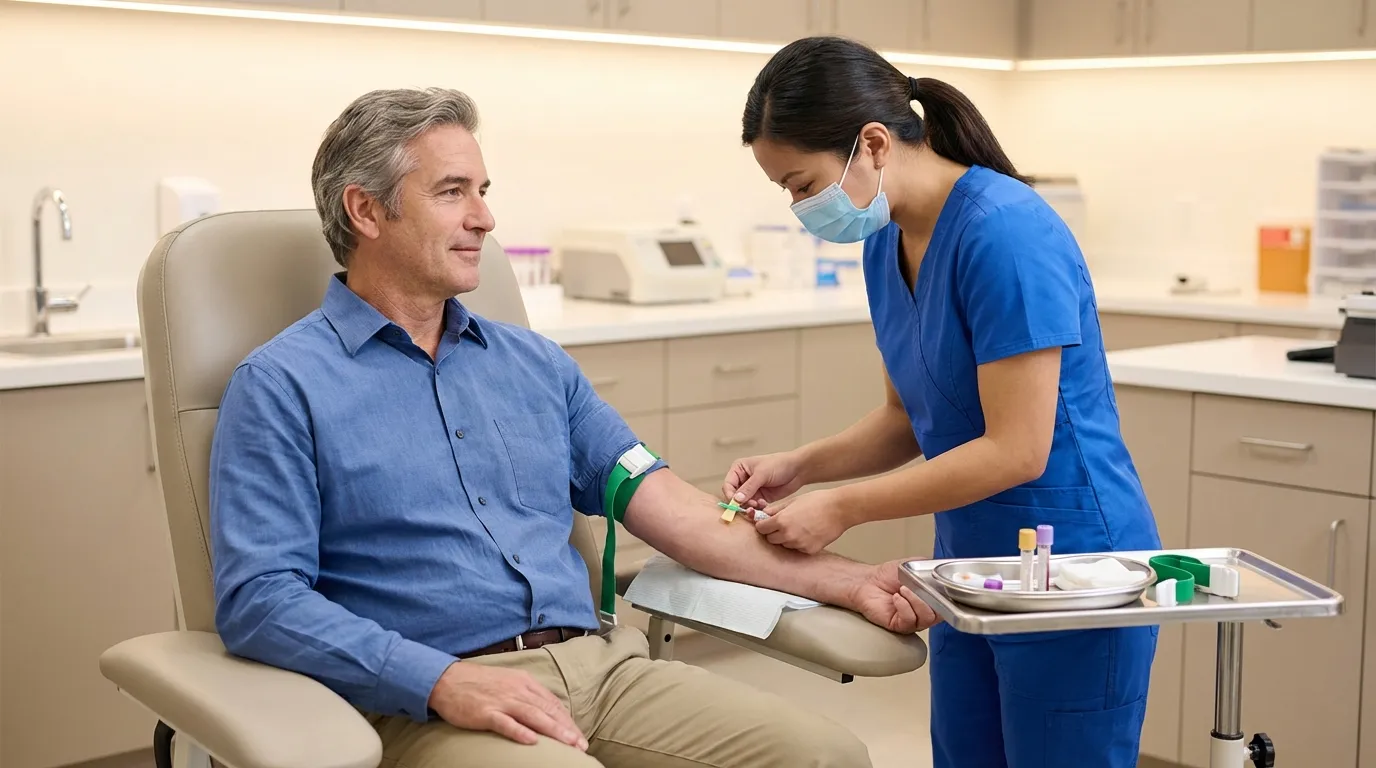
The single biggest shift in TRT affordability over the past several years has been the rise of online and telehealth TRT providers. These platforms have dramatically reduced overhead by eliminating the need for physical clinic space, and they've passed those savings directly to patients.
Most online TRT clinics offer subscription-style pricing that bundles everything together — initial consultation, ongoing physician oversight, lab work, and medication — for a flat monthly fee. Typical pricing ranges from $99 to $199 per month, which is substantially lower than most traditional in-person clinics.
For a side-by-side comparison of what top online providers offer, see our Best Online TRT Clinics (Pros, Cons & Pricing) guide and our TRT Subscription Services: Cost Comparison (2026).
Some of the advantages of online TRT clinics from a cost perspective include:
- Bundled pricing: No surprise bills — one predictable monthly rate
- No facility fees: You're not paying for waiting rooms or front-desk staff
- Competitive lab partnerships: Many work with national lab networks at discounted rates
- Generic medications: Most use generic testosterone cypionate, the most cost-effective option
- No long-term contracts: Most allow month-to-month enrollment
If you're weighing the tradeoffs between going digital or staying local, our comparison of Online TRT vs Local Clinic: Which Is Better? lays out the full picture. For budget-conscious men especially, Affordable TRT Online is often the most practical starting point.
Online clinics also tend to make it easier to find a provider quickly. You can find a TRT clinic near you or explore telehealth options that serve your state without requiring an in-person visit.
Payment Plans and Medical Financing: Spreading the Cost Over Time
For men who face higher upfront costs — particularly those opting for pellet therapy, comprehensive hormone panels, or premium in-person clinics — medical financing and payment plans can make TRT financially viable without requiring a large lump-sum payment.
Several well-established medical financing platforms are widely accepted by TRT clinics across the country:
- CareCredit: A healthcare-specific credit card offering promotional 0% APR periods ranging from 6 to 24 months for qualifying purchases. This is one of the most widely accepted options at specialty clinics.
- Alphaeon Credit: Similar to CareCredit, with flexible terms and broad acceptance at men's health and hormone clinics.
- Ally Lending: Offers longer repayment terms and is accepted at many medical practices.
- In-house clinic payment plans: Many independent TRT clinics offer their own monthly installment arrangements, especially for pellet insertions or annual programs.
When evaluating any financing plan, pay close attention to the deferred interest clause. Some plans charge retroactive interest on the full original balance if you don't pay off the balance within the promotional period. Always read the terms carefully and aim to pay off the balance before the promotional period ends if you're using a 0% APR offer.
Medical financing is particularly useful for men who want to start with a comprehensive initial workup — including a full hormone panel — and then transition to a more affordable monthly routine. See our guide to Your First TRT Consultation: What to Expect to understand what that initial investment typically covers.
Generic Medications and Compounding Pharmacies: Keeping Medication Costs Low
The form of testosterone you use has a major impact on your monthly cost. Injectable testosterone cypionate is the gold standard for cost-effectiveness — generic versions are widely available and often cost less than $30–$50 per month at standard pharmacies. When covered by insurance, co-pays can drop even lower.
Compounding pharmacies offer another cost-effective avenue, particularly for men who need customized concentrations or prefer topical delivery methods. Compounded testosterone creams and gels are typically 40–60% less expensive than brand-name alternatives like AndroGel or Testim. Many online TRT clinics partner directly with compounding pharmacies to offer patients competitive pricing on customized formulations.
For context on how delivery methods compare both clinically and financially, our guides to TRT Injections vs Gel: Which Is Better? and Testosterone Injections vs Pellets: Full Comparison break down the tradeoffs in detail.
A few additional ways to keep medication costs low:
- GoodRx or RxSaver: Free prescription discount cards that can reduce generic testosterone costs by 50–80% at major pharmacy chains
- Manufacturer savings programs: Brand-name manufacturers like AbbVie (AndroGel) offer savings cards for insured patients
- 90-day supplies: Ordering a three-month supply instead of monthly refills often comes with a meaningful discount
- Mark Cuban's Cost Plus Drugs: An emerging low-cost pharmacy option for generic medications including testosterone
If your current provider is prescribing a brand-name product when a generic equivalent is available, it's completely appropriate to ask whether switching makes clinical sense for your situation. Most physicians are happy to accommodate this when medically equivalent options exist.

Maximizing Value: Getting the Most From Every Dollar You Spend on TRT
Beyond finding the cheapest option, the smartest approach to TRT financing is maximizing the value of every dollar you spend. This means choosing a provider who delivers the right level of oversight for your situation, avoiding unnecessary add-ons, and making lifestyle changes that amplify your results so you're getting the full benefit of what you're paying for.
Here are the key strategies for maximizing value on TRT:
Choose the Right Delivery Method for Your Budget and Lifestyle
Injections are almost always the most cost-effective delivery method, and they're also highly effective when administered correctly. If budget is a significant concern, starting with injectable testosterone cypionate is a practical choice that many physicians recommend as a first-line approach. You can always explore other delivery methods later if your circumstances change.
Consolidate Your Lab Work
Lab testing is one of the hidden ongoing costs of TRT. Some clinics charge $200–$400 per blood draw; others bundle labs into their monthly fee. Choosing a provider who includes monitoring labs in their subscription price can save you hundreds per year. Our guide to TRT blood work explains exactly which tests matter and how often you actually need them.
Support Your Results With Lifestyle Habits
Men who pair TRT with consistent strength training, quality sleep, and proper nutrition tend to see significantly better results than those who rely on therapy alone. This matters financially because you're getting more return on your investment. Explore our article on TRT and Weight Loss and TRT and Muscle Growth to understand how lifestyle factors multiply the benefits of therapy.
Reassess Annually
TRT pricing and clinic options are evolving rapidly. What's the best value today may not be in 12 months. Set a calendar reminder to compare your current provider's pricing against the broader market once a year. The landscape of telemedicine TRT providers in particular is growing and becoming more competitive every year.
Finding the Right Provider Within Your Budget
Affordability matters, but it should never come at the expense of quality care. The right provider will conduct proper screening, monitor your labs consistently, and adjust your protocol as needed — and that oversight is what makes TRT safe and effective over the long term.
When evaluating providers with cost in mind, look for these value indicators:
- Transparent, all-inclusive pricing with no hidden fees
- Lab work included or offered at discounted rates through partner networks
- Board-certified physicians or NPs overseeing your care
- Clear monitoring protocols (regular blood work, follow-up consultations)
- Willingness to accept HSA/FSA payments and work with your insurance
Our step-by-step guide to finding a TRT doctor walks you through the vetting process in detail. You can also browse our directory to find a TRT clinic near you — including options in TRT clinics in Florida and TRT clinics in Texas — with transparent pricing information to help you compare.
If you're not yet sure TRT is right for you, or if you want to confirm that low testosterone is what's driving your symptoms, take the free Low T symptom quiz as your starting point. It takes just a few minutes and can help you walk into your first provider conversation with clarity.
The bottom line: trt financing options are broader and more accessible than most men initially realize. From HSA/FSA tax advantages and insurance coverage to online clinic subscriptions, payment plans, generic medications, and prescription discount cards, there are multiple ways to make testosterone therapy work within your financial reality. The key is approaching it strategically — and working with a qualified provider who understands both the medical and practical sides of your situation. Don't let cost be the reason you put your health on hold.
Sources & References
- Testosterone Therapy in Adult Men with Androgen Deficiency Syndromes: An Endocrine Society Clinical Practice Guideline — Journal of Clinical Endocrinology & Metabolism / Endocrine Society [Link]
- Testosterone Deficiency: AUA Guideline — American Urological Association [Link]
- Testosterone Therapy: Potential Benefits and Risks as You Age — Mayo Clinic [Link]
- Health Savings Account (HSA) — IRS Publication 969 — Internal Revenue Service (IRS) [Link]
- Hypogonadism in Men — Diagnosis and Management — PubMed / National Library of Medicine [Link]
- CareCredit Healthcare Financing for Medical Expenses — CareCredit / Synchrony [Link]
- Testosterone Replacement Therapy: Current Trends and Future Directions — PubMed / National Library of Medicine [Link]
Frequently Asked Questions
Ready to Take the Next Step?
Check your symptoms with our free quiz or browse 2,500+ verified TRT clinics.