
Medical Disclaimer
The information on this website is for educational purposes only and is not a substitute for professional medical advice, diagnosis, or treatment. Always consult a qualified healthcare provider before starting any hormone therapy. Individual results may vary. TRTmatch does not provide medical services or prescribe medications.
Key Takeaways
- When you stop TRT, testosterone levels drop significantly before natural production can resume — a process that takes weeks to months.
- The HPG axis (hypothalamic-pituitary-gonadal axis) is suppressed during TRT and requires a structured recovery period after discontinuation.
- Common symptoms after stopping TRT include fatigue, low libido, mood changes, muscle loss, and brain fog — most of which are temporary with proper support.
- Never stop TRT abruptly without medical guidance; a supervised taper with supportive medications like HCG or Clomid can significantly ease the transition.
- Fertility can often be restored after stopping TRT, though recovery timelines vary based on age, duration of use, and underlying cause of low testosterone.
- Whether and when to stop TRT is a personal medical decision best made in partnership with a qualified TRT provider who can monitor your bloodwork and guide your recovery.
Introduction: Why Men Consider Stopping TRT
If you're currently on testosterone replacement therapy — or thinking about starting — you've probably wondered: what happens when you stop TRT? It's one of the most common questions men ask, and it deserves a thorough, honest answer. Whether you're pausing treatment for personal reasons, financial concerns, a medical procedure, or simply reassessing your options, understanding what your body goes through after discontinuation is essential.
Medical disclaimer: This article is for educational purposes only and does not constitute medical advice. Always consult a qualified healthcare provider before making any changes to your TRT protocol. Never stop testosterone therapy abruptly without guidance from your doctor.
TRT is an established, FDA-recognized medical treatment for hypogonadism — the clinical condition where the body doesn't produce enough testosterone. When you stop, your body doesn't simply snap back to its previous state. The HPG axis (hypothalamic-pituitary-gonadal axis) — the hormonal feedback loop responsible for natural testosterone production — has been suppressed by exogenous testosterone and needs time to recover. The good news: with proper medical supervision and a structured plan, most men can manage this transition safely and comfortably. To understand more about how TRT works in the first place, check out our guide on What Is Testosterone Replacement Therapy (TRT)?

What Happens When You Stop TRT: The Core Science
To understand what happens when you stop TRT, you need to understand what TRT does to your body's hormonal signaling. When you introduce exogenous (external) testosterone, your brain detects elevated hormone levels and signals the pituitary gland to reduce — or essentially halt — its output of LH (luteinizing hormone) and FSH (follicle-stimulating hormone). These are the two key signals that tell your testes to produce testosterone naturally.
With LH and FSH suppressed over weeks or months, the testes become less active. In some cases, this leads to testicular atrophy — a reduction in testicular size and volume. When you stop TRT, your brain needs to recognize the drop in circulating testosterone and restart this signaling cascade. This process is called HPG axis recovery, and it doesn't happen overnight.
Several factors influence how quickly your natural production resumes:
- Duration of TRT: Men on TRT for 5+ years typically experience a longer recovery window than those on therapy for 6–12 months.
- Pre-treatment testosterone levels: Men with primary hypogonadism (a testicular issue) may never fully recover natural production, regardless of how TRT is stopped.
- Age: Younger men generally recover faster due to more resilient HPG axis function.
- Use of supportive therapies: Medications like HCG and clomiphene (Clomid) can significantly accelerate recovery. Learn more in our article on HCG and TRT: Why Doctors Prescribe Them Together.
- Overall health: Metabolic health, sleep quality, body composition, and stress levels all influence hormonal recovery speed.
Understanding this science is why working with a knowledgeable TRT provider matters so much. A qualified physician won't just stop your prescription — they'll build a structured protocol to support your body through the transition.
Timeline: What to Expect Week by Week
One of the most practical questions men ask is: how long does it take to feel normal again after stopping TRT? The honest answer varies, but here's a general evidence-informed timeline based on clinical data and patient experience.
| Timeframe | What's Happening Hormonally | Common Symptoms |
|---|---|---|
| Week 1–2 | Exogenous testosterone clears the bloodstream; LH/FSH still suppressed | Fatigue, mood dips, reduced libido |
| Week 3–4 | Pituitary begins signaling testes again; LH/FSH start rising | Brain fog, low energy, mild depression |
| Month 2–3 | Testes gradually resume testosterone production | Symptoms may peak before improving |
| Month 3–6 | HPG axis stabilizing; testosterone levels slowly normalizing | Gradual improvement in most men |
| 6–12+ months | Full recovery in men with intact testicular function | Most symptoms resolve; bloodwork normalizing |
It's worth noting that men who were using HCG alongside TRT often experience faster recovery, because HCG mimics LH and helps maintain testicular function during therapy. If you weren't using HCG during treatment, your provider may introduce it as part of a post-TRT recovery plan.
For men with primary hypogonadism — where the testes themselves are the problem — recovery may be limited regardless of timeline. In these cases, the more important conversation is whether discontinuing TRT is the right decision at all. A thorough consultation, like the one described in Your First TRT Consultation: What to Expect, is invaluable when making this choice.
Symptoms to Expect After Stopping TRT
When men discontinue testosterone therapy, the return of low-T symptoms is the most commonly reported experience. These symptoms aren't permanent, but they can feel significant — especially in the first 4–8 weeks when testosterone levels are at their lowest before natural production resumes.
Here are the most frequently reported symptoms after stopping TRT:
- Fatigue and low energy: Often the first and most noticeable symptom. Without adequate testosterone, energy metabolism slows and men typically feel drained throughout the day.
- Mood changes: Irritability, anxiety, and low mood are common. Testosterone plays a significant role in neurological function, and its absence can temporarily affect emotional regulation. For more context, see our piece on TRT and Depression: Can Testosterone Improve Your Mood?
- Reduced libido and sexual function: Testosterone drives sex drive in men. As levels drop post-TRT, libido often diminishes significantly, and some men experience difficulty with erections.
- Muscle loss and increased body fat: Testosterone is anabolic — it supports lean muscle mass. Without it, men may notice a shift in body composition over weeks to months. Our guide on TRT and Muscle Growth: What to Expect explains this relationship in more detail.
- Brain fog and poor concentration: Cognitive function can suffer when testosterone is low, with many men reporting difficulty focusing and slower mental processing.
- Sleep disturbances: Poor sleep quality is a common complaint. Learn more at TRT and Sleep: Does Testosterone Improve Sleep?
- Reduced bone density (longer term): This concern applies primarily to men who remain in a low-testosterone state for an extended period without treatment.
These symptoms are manageable and, for most men, temporary. The key is not to white-knuckle through this period without support. Your provider can monitor your bloodwork, adjust supportive therapies, and guide you through what's normal versus what requires attention. If these symptoms sound familiar even before stopping TRT, you can take the free Low T symptom quiz to assess where you currently stand.
How to Stop TRT Safely: The Right Protocol
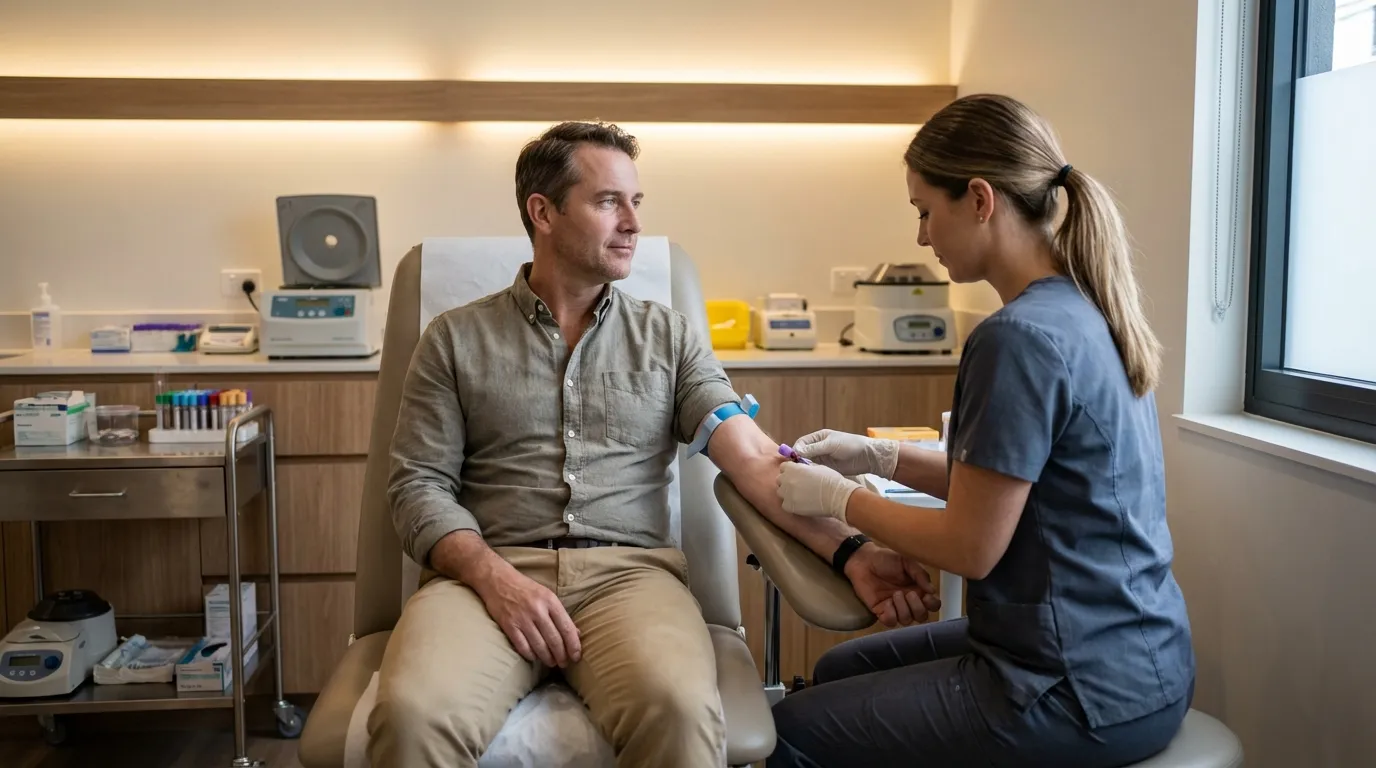
The most important thing to understand is this: never stop TRT cold turkey without medical guidance. An abrupt cessation can cause a more severe hormonal crash than a gradual, supervised taper. A qualified TRT provider will build a structured discontinuation protocol tailored to your history, duration of use, and health goals.
A well-designed post-TRT protocol may include several components:
1. Gradual Dose Reduction (Tapering)
Rather than stopping immediately, your doctor may reduce your dose incrementally over several weeks. This gives your HPG axis time to begin reactivating while minimizing the severity of withdrawal symptoms. The exact taper schedule depends on your delivery method — for example, injections are tapered differently than gels or patches. If you're curious about how delivery methods differ, see our comparison of TRT Injections vs Gel: Which Is Better?
2. HCG (Human Chorionic Gonadotropin)
HCG mimics LH and directly stimulates the testes to produce testosterone. Many physicians use HCG for several weeks post-TRT to prevent testicular atrophy and kick-start natural testosterone production. Clinical studies have shown HCG can meaningfully accelerate HPG axis recovery after exogenous testosterone suppression.
3. SERMs: Clomid or Tamoxifen
Selective estrogen receptor modulators (SERMs) like clomiphene citrate (Clomid) block estrogen receptors in the hypothalamus, tricking the brain into releasing more LH and FSH. This stimulates natural testosterone production. Clomid is commonly used in post-TRT recovery protocols and can be highly effective for men with secondary hypogonadism. See our detailed comparison: Clomid vs TRT: Which Low Testosterone Treatment Is Right for You?
4. Ongoing Blood Work Monitoring
Your testosterone, LH, FSH, and estradiol levels should be monitored regularly throughout the recovery process. This allows your provider to intervene early if recovery stalls or symptoms become significant. For a full breakdown of what labs to track, read TRT Blood Work: Which Tests You Need (Before and During Treatment).
The bottom line: stopping TRT successfully is a medical process, not a personal experiment. Find a TRT clinic near you that offers structured off-protocol support — not every provider does, and having this guidance in place before you stop makes a significant difference.
Fertility and TRT Discontinuation: What You Should Know
One of the most common reasons men choose to stop TRT is to restore fertility. TRT suppresses sperm production because FSH — the hormone that stimulates sperm development — is reduced while on therapy. This doesn't mean TRT causes permanent infertility, but it does mean that men actively trying to conceive typically need to pause or adjust their treatment.
Research shows that sperm production can recover after stopping TRT, though the timeline varies considerably. A 2020 study published in the Journal of Urology found that the majority of men recovered baseline sperm concentrations within 12 months of stopping testosterone therapy, with most seeing improvement within 3–6 months. However, older men and those on TRT for longer durations tended to have slower recovery.
For men who want to maintain fertility while staying on TRT, HCG-based protocols are often the preferred approach. Our full guide on TRT and Fertility: Can You Have Kids on Testosterone? walks through all the options in detail. If fertility is your primary concern, raise it explicitly with your provider before making any decisions about stopping or continuing therapy.
Will Your Testosterone Levels Ever Return to Normal?
This is the question most men want answered. The honest answer depends heavily on why your testosterone was low in the first place. If you had secondary hypogonadism — where the issue is in the brain's signaling, not the testes — there's a reasonable chance your levels can recover meaningfully, especially with proper post-TRT support and a healthy lifestyle.
If you had primary hypogonadism — where the testes themselves are unable to produce adequate testosterone — recovery is less predictable. In these cases, returning to TRT is often the medically appropriate outcome after a trial period off treatment.
Lifestyle factors play a meaningful role in what level your testosterone settles at after recovery. Men who prioritize strength training, quality sleep, stress management, and healthy body composition consistently show better hormonal recovery outcomes. For strategies to optimize your natural testosterone baseline, see our guide on How to Increase Testosterone Naturally (Before TRT).
It's also worth understanding that normal testosterone levels vary with age. What's optimal at 35 may differ from what's clinically appropriate at 55. Our Testosterone Levels by Age chart offers a useful reference point for interpreting your post-TRT bloodwork in context.

Making the Decision: Should You Actually Stop TRT?
Before stopping TRT, it's worth asking whether discontinuation is truly in your best interest. Many men reconsider when they think through the full picture. TRT is a long-term medical therapy for a real clinical condition — not a supplement you cycle on and off. If your testosterone was clinically low before treatment, and TRT has significantly improved your quality of life, the question shouldn't just be what happens when you stop TRT — it should also be: what do I lose by stopping?
There are legitimate reasons to pause or stop TRT, including preparing for fertility treatment, personal preference, financial constraints, or reevaluating your diagnosis with a new provider. But there are also men who stop TRT based on fear, misinformation, or an abrupt lifestyle change — and then spend months feeling terrible before eventually restarting. If cost is a factor, it's worth reading our full TRT cost breakdown to explore more affordable options, including online clinics. For a broader perspective on the value of treatment, our article Is TRT Worth It? Pros, Cons and Real Experiences provides a balanced look at what men actually report.
Whatever your reason for considering discontinuation, the right first step is a conversation with a qualified TRT provider. If you don't yet have one you trust, use our directory to find a TRT clinic near you that offers comprehensive hormone management — including support for men who want to pause or stop therapy.
Conclusion: What Happens When You Stop TRT — And What to Do Next
Understanding what happens when you stop TRT is about more than knowing the symptoms — it's about having a plan. Your body will go through a period of hormonal readjustment that can range from mildly uncomfortable to genuinely challenging, depending on your individual situation, how long you've been on therapy, and whether you have a structured recovery protocol in place.
The core takeaways are straightforward: testosterone levels will drop before they recover, symptoms of low T are likely to return temporarily, and the HPG axis recovery process takes weeks to months. But with proper medical oversight — including supportive medications, regular bloodwork, and a gradual taper — most men can navigate this transition safely and comfortably.
What you should never do is stop TRT abruptly on your own, without guidance, or without having a provider monitoring your recovery. The risks of an unmanaged hormonal crash far outweigh any perceived benefits of stopping quickly.
If you're experiencing symptoms of low testosterone and wondering whether TRT is right for you, or if you're currently on TRT and questioning your next steps, take the free Low T symptom quiz or connect with a specialist through our clinic directory. The answer to what happens when you stop TRT will always be more manageable with the right medical team by your side.
Sources & References
- Hypothalamic-Pituitary-Gonadal Axis Recovery After Cessation of Testosterone Replacement Therapy — PubMed / Journal of Clinical Endocrinology [Link]
- Testosterone Therapy in Men With Hypogonadism: An Endocrine Society Clinical Practice Guideline — The Endocrine Society [Link]
- Recovery of Spermatogenesis Following Testosterone Replacement Therapy or Anabolic-Androgenic Steroid Use — PubMed / Asian Journal of Andrology [Link]
- Testosterone Replacement Therapy — Mayo Clinic Overview — Mayo Clinic [Link]
- Male Hypogonadism: Diagnosis and Management — Cleveland Clinic [Link]
- AUA Guideline on Testosterone Deficiency — American Urological Association [Link]
- Sperm Recovery After Cessation of Testosterone Therapy: A Systematic Review — PubMed / Journal of Urology [Link]
Frequently Asked Questions
Ready to Take the Next Step?
Check your symptoms with our free quiz or browse 2,500+ verified TRT clinics.