
Medical Disclaimer
The information on this website is for educational purposes only and is not a substitute for professional medical advice, diagnosis, or treatment. Always consult a qualified healthcare provider before starting any hormone therapy. Individual results may vary. TRTmatch does not provide medical services or prescribe medications.
Key Takeaways
- Testosterone and thyroid hormones share overlapping regulatory pathways and symptom profiles, making comprehensive testing essential for accurate diagnosis.
- Hypothyroidism can lower free testosterone and impair Leydig cell function, while low testosterone may reduce cellular thyroid hormone utilization.
- Men who feel only partially improved on TRT should have a complete thyroid panel — including free T3, free T4, and thyroid antibodies — not just TSH.
- TRT can affect SHBG levels, which in turn influences how much thyroid hormone is free and active in the bloodstream.
- Hashimoto's thyroiditis (autoimmune thyroid disease) is underdiagnosed in men and can compound the hormonal burden of low testosterone.
- Both conditions are manageable simultaneously with a qualified provider who takes a whole-body hormonal approach to treatment.
Why TRT and Thyroid Health Are More Connected Than You Think
If you've started testosterone replacement therapy and still feel exhausted, foggy, or unable to lose weight, the relationship between TRT and thyroid function may be at the heart of the issue. Testosterone and thyroid hormones are two of the most important hormonal drivers in the male body, and they don't operate in isolation. They influence each other in ways that can make or break your results on therapy.
Medical disclaimer: This article is for educational purposes only and does not constitute medical advice. Always consult a qualified healthcare provider before making any changes to your hormone therapy or treatment plan.
Many men discover low testosterone after years of vague symptoms — fatigue, weight gain, depression, low libido — only to find that treating testosterone alone doesn't fully resolve how they feel. In a significant number of these cases, an undiagnosed or poorly managed thyroid condition is contributing to the picture. Understanding how these two systems interact is essential for any man on TRT or considering it. If you're not sure whether your symptoms point to low testosterone, a thyroid problem, or both, take the free Low T symptom quiz to get a clearer starting point.

How the Thyroid Gland Works and Why It Matters for Men
The thyroid is a butterfly-shaped gland in the front of your neck that produces two primary hormones: thyroxine (T4) and triiodothyronine (T3). These hormones regulate metabolism, body temperature, heart rate, energy production, and even mood. Every cell in your body depends on adequate thyroid hormone to function properly.
The thyroid is controlled by a feedback loop involving the hypothalamus and pituitary gland — the same hormonal command center that regulates testosterone production through LH and FSH. This shared regulatory pathway is one reason why testosterone and thyroid hormones can affect each other. When one part of this axis is disrupted, the ripple effects can extend across multiple hormone systems.
Thyroid disorders are often thought of as a women's health issue, but research suggests that up to 5 to 10 percent of men have some degree of thyroid dysfunction, and the rate of subclinical hypothyroidism — where TSH is elevated but T3 and T4 are still technically normal — may be even higher. Hypothyroidism (underactive thyroid) is far more common in men than hyperthyroidism (overactive thyroid), and its symptoms overlap substantially with low testosterone.
Common signs of hypothyroidism in men include:
- Persistent fatigue and low energy even after adequate sleep
- Weight gain or difficulty losing weight despite exercise
- Brain fog and poor concentration
- Depression or low mood
- Low libido and reduced sexual function
- Feeling cold frequently
- Dry skin, thinning hair, and brittle nails
- Slowed heart rate and constipation
Sound familiar? Many of these are identical to the signs of low testosterone in men, which is exactly why thyroid testing is an important part of any comprehensive hormonal evaluation.
How Testosterone and Thyroid Hormones Influence Each Other
The relationship between testosterone and thyroid hormones runs in both directions. Research has shown that thyroid hormones influence testosterone production, and conversely, testosterone levels can affect thyroid function and the way the body processes thyroid hormones.
Thyroid effects on testosterone: Thyroid hormones play a role in the function of Leydig cells in the testes — the cells responsible for producing testosterone. Studies have found that both hypothyroidism and hyperthyroidism can impair Leydig cell function, potentially leading to reduced testosterone synthesis. A 2018 review published in the journal Frontiers in Endocrinology confirmed that thyroid dysfunction is associated with altered sex hormone levels in men, including lower free testosterone and disrupted LH secretion.
Thyroid hormones also affect sex hormone-binding globulin (SHBG). Hypothyroidism tends to lower SHBG, while hyperthyroidism raises it significantly. Since SHBG binds to testosterone and determines how much is biologically available, changes in SHBG directly impact your effective testosterone levels. To understand why this matters, read more about what SHBG is and why it matters for TRT.
Testosterone effects on thyroid: On the other side of the equation, testosterone influences thyroid hormone metabolism. Androgens can affect the conversion of T4 to the active T3 form, and some research suggests that testosterone may modulate thyroid hormone receptor sensitivity at the cellular level. Men with chronically low testosterone may have subtly impaired thyroid hormone utilization even when their TSH and T4 appear normal on standard testing.
This bidirectional relationship means that optimizing one hormone system without evaluating the other can leave men feeling only partially improved — or not improved at all.
Overlapping Symptoms: Why Diagnosis Can Be Tricky
One of the most clinically important aspects of the trt and thyroid relationship is how completely their symptom profiles overlap. A man presenting with fatigue, weight gain, low libido, brain fog, and depressed mood could be experiencing low testosterone, hypothyroidism, or both simultaneously. Without comprehensive blood work, it's easy to treat one condition and miss the other entirely.
This is why a thorough hormonal workup before starting TRT should include thyroid markers alongside testosterone panels. According to the Endocrine Society's clinical practice guidelines, initial evaluation of men with suspected hypogonadism should consider comorbid conditions that may contribute to symptoms — and thyroid dysfunction is one of the most common.
The standard thyroid test is TSH (thyroid-stimulating hormone), but this alone may not tell the full story. A complete thyroid panel includes:
| Test | What It Measures | Why It Matters |
|---|---|---|
| TSH | Pituitary signal to the thyroid | Primary screening marker for thyroid dysfunction |
| Free T4 | Inactive thyroid hormone in circulation | Reflects thyroid gland output |
| Free T3 | Active thyroid hormone available to cells | Best indicator of actual thyroid hormone activity |
| Reverse T3 (rT3) | Inactive T3 metabolite | Elevated in chronic stress or illness; can block T3 receptors |
| Thyroid antibodies (TPO, TgAb) | Autoimmune markers | Identifies Hashimoto's thyroiditis, the most common cause of hypothyroidism |
Ask your provider to include these in your TRT blood work panel if they aren't already part of your standard workup. The more complete your hormonal picture, the more targeted your treatment can be.
What Happens to Thyroid Function When You Start TRT
Men starting testosterone replacement therapy sometimes notice changes in how they feel that go beyond what testosterone alone can explain — and in some cases, these changes relate to shifts in thyroid hormone dynamics. While TRT does not directly cause thyroid disease, it can influence the thyroid axis in several measurable ways.
One well-documented effect is TRT's impact on SHBG levels. Testosterone therapy tends to suppress SHBG over time. Since SHBG binds both testosterone and thyroid hormones (particularly T4), changes in SHBG can alter the balance of free versus bound thyroid hormones in circulation. For most men this effect is modest, but in men with borderline thyroid function, it may be enough to shift symptoms in one direction or the other.
Additionally, if a man has undiagnosed subclinical hypothyroidism when he begins TRT, he may find that his energy and metabolic response to testosterone therapy is blunted. The thyroid is responsible for the cellular machinery that converts metabolic fuel into energy, and without adequate T3 activity, the benefits of optimized testosterone — including improved body composition, energy, and mood — may not fully materialize. This is one reason some men report being still tired on TRT despite normal testosterone levels.
It's also worth noting that weight loss achieved through TRT may itself improve thyroid function indirectly. Obesity is associated with reduced T3 conversion and increased reverse T3, and as TRT helps men lose fat, the metabolic environment becomes more favorable for healthy thyroid hormone activity.
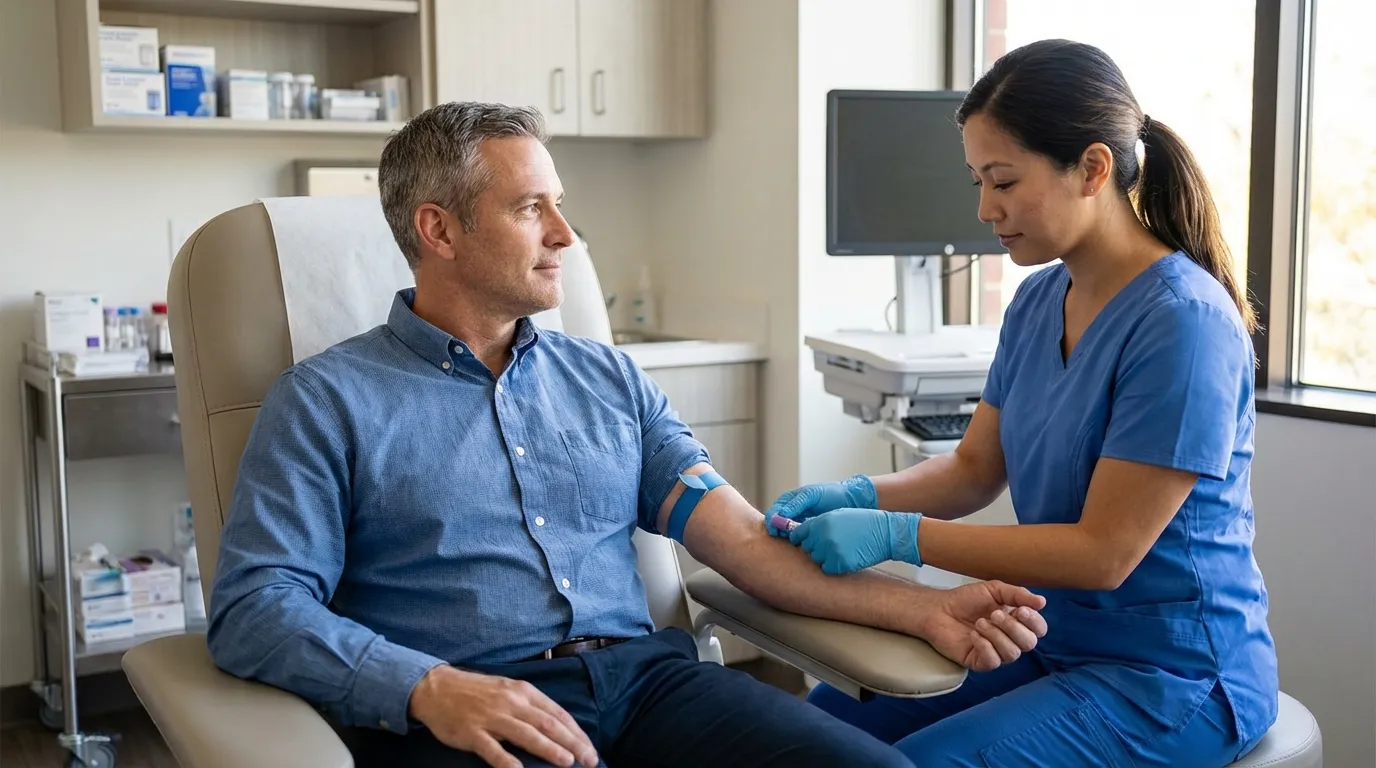
The practical takeaway: if you start TRT and feel significantly better in some ways but not others, ask your provider to revisit your thyroid panel. It's a simple blood draw that could explain a lot.
Managing TRT and Thyroid Conditions Together
The good news is that having both low testosterone and a thyroid condition is entirely manageable — in fact, many men are successfully treated for both simultaneously. A qualified TRT provider who takes a whole-body hormonal approach will evaluate and monitor both axes, adjusting treatment as needed based on how your body responds.
For men with diagnosed hypothyroidism, the most common treatment is levothyroxine (synthetic T4), which the body converts to active T3. Some men do better on combination T4/T3 therapy or natural desiccated thyroid (NDT). Getting the thyroid adequately treated often makes TRT more effective by restoring the cellular energy machinery that testosterone needs to produce results.
There are a few practical considerations when managing both therapies:
- Timing and absorption: Thyroid medications should generally be taken on an empty stomach, away from other supplements or medications that may impair absorption, including some compounded testosterone preparations.
- Monitoring frequency: Men on both TRT and thyroid therapy may benefit from more frequent blood work in the early months to ensure both hormone systems are stabilizing appropriately. Review our guide to TRT blood work and monitoring for a comprehensive overview.
- SHBG fluctuations: As TRT adjusts SHBG over time, thyroid hormone binding may shift slightly. Your provider may want to recheck free T3 and free T4 a few months after starting or adjusting TRT.
- Symptom tracking: Keep a symptom journal noting energy levels, mood, body temperature, weight, and libido. This helps your provider distinguish which therapy may need adjustment if symptoms persist.
If you haven't yet found a provider experienced in managing both conditions, find a TRT clinic near you that takes a comprehensive hormonal approach rather than treating testosterone in isolation.
The Role of Autoimmune Thyroid Disease in Men on TRT
Hashimoto's thyroiditis — an autoimmune condition in which the immune system attacks the thyroid gland — is the leading cause of hypothyroidism in men in developed countries. It's often underdiagnosed in men because it's historically associated with women, but it affects a meaningful percentage of the male population. Hashimoto's can cause fluctuating thyroid levels, periods of feeling relatively well alternating with episodes of fatigue, brain fog, and mood disturbance.
Men with Hashimoto's who also have low testosterone face a compounded hormonal burden. The inflammatory environment created by autoimmune thyroid disease may independently suppress testosterone production through its effects on the hypothalamic-pituitary-gonadal (HPG) axis. Research has linked elevated inflammatory cytokines — common in autoimmune conditions — to reduced LH secretion and impaired Leydig cell function, resulting in lower testosterone output.
For men in this situation, TRT can provide meaningful relief from the symptoms that Hashimoto's is contributing to hormonally. There is also emerging evidence that optimized testosterone levels may have modest anti-inflammatory effects that could benefit the overall autoimmune environment, though this area of research is still developing. Read more about TRT and inflammation for the latest on this topic.
Importantly, if you have Hashimoto's, your provider should monitor your thyroid antibody levels (TPO and TgAb) alongside your standard thyroid panel. Knowing whether antibody levels are rising, stable, or declining over time gives important clinical information about disease activity and treatment response.

Getting Comprehensive Hormonal Testing: What to Ask Your Provider
The single most important step you can take if you suspect both thyroid and testosterone issues is to request comprehensive hormonal blood work rather than a basic panel. Many standard primary care testosterone tests check only total testosterone and TSH — a starting point, but insufficient for the full picture.
A complete hormonal evaluation relevant to both trt and thyroid optimization should ideally include: total testosterone, free testosterone, SHBG, LH, FSH, estradiol (E2), prolactin, TSH, free T4, free T3, and thyroid antibodies. CBC, metabolic panel, and lipids round out the picture. For a detailed breakdown of what to request, see our guide to free vs total testosterone and understanding your results.
If your current provider isn't ordering this level of testing, consider seeking a specialist. Endocrinologists, men's health clinics, and TRT-focused practices are often better equipped to evaluate the full hormonal picture than general practitioners working from a narrow symptom checklist. You can find a qualified TRT provider near you through our clinic directory — many of the clinics listed take a comprehensive, evidence-based approach to hormonal optimization that includes thyroid evaluation as part of initial and ongoing care.
Don't accept a partial answer when a complete one is available. The relationship between trt and thyroid is well-established in the medical literature, and any provider worth their credentials should be comfortable evaluating both systems together. If you're ready to take the first step, take the free Low T symptom quiz to understand your symptom profile and get guidance on next steps.
Key Takeaways: Optimizing Both Testosterone and Thyroid
The interaction between testosterone replacement therapy and thyroid function is a clinically meaningful one that deserves attention from both patients and providers. When both hormone systems are functioning well, men typically experience dramatically better energy, body composition, mood, and cognitive function than when either one is optimized alone.
The bottom line on trt and thyroid is this: these two systems are intertwined through shared regulatory pathways, overlapping symptom profiles, and mutual metabolic influence. Treating one without evaluating the other risks leaving you feeling only partially better — or not better at all. The good news is that with a qualified provider, comprehensive blood work, and a willingness to treat the whole hormonal picture, most men can achieve excellent outcomes. Whether your primary concern is low testosterone, thyroid dysfunction, or both, the right clinical support makes all the difference. Explore your options and find a TRT clinic near you that takes a thorough, evidence-based approach to your hormonal health.
Sources & References
- Thyroid Dysfunction and Male Reproductive Health — Frontiers in Endocrinology [Link]
- Testosterone Therapy in Men With Hypogonadism: An Endocrine Society Clinical Practice Guideline — Journal of Clinical Endocrinology & Metabolism [Link]
- Thyroid Disorders Overview — Mayo Clinic [Link]
- Hypothyroidism and Its Relationship to Male Hypogonadism — PubMed / NCBI [Link]
- SHBG and Thyroid Hormone Binding — PubMed / NCBI [Link]
- Autoimmune Thyroid Disease in Men: Prevalence and Clinical Impact — PubMed / NCBI [Link]
- The Hypothalamic-Pituitary-Thyroid Axis and Its Interactions With Other Endocrine Systems — NCBI StatPearls [Link]
Frequently Asked Questions
Ready to Take the Next Step?
Check your symptoms with our free quiz or browse 2,500+ verified TRT clinics.